Danger and sign guide
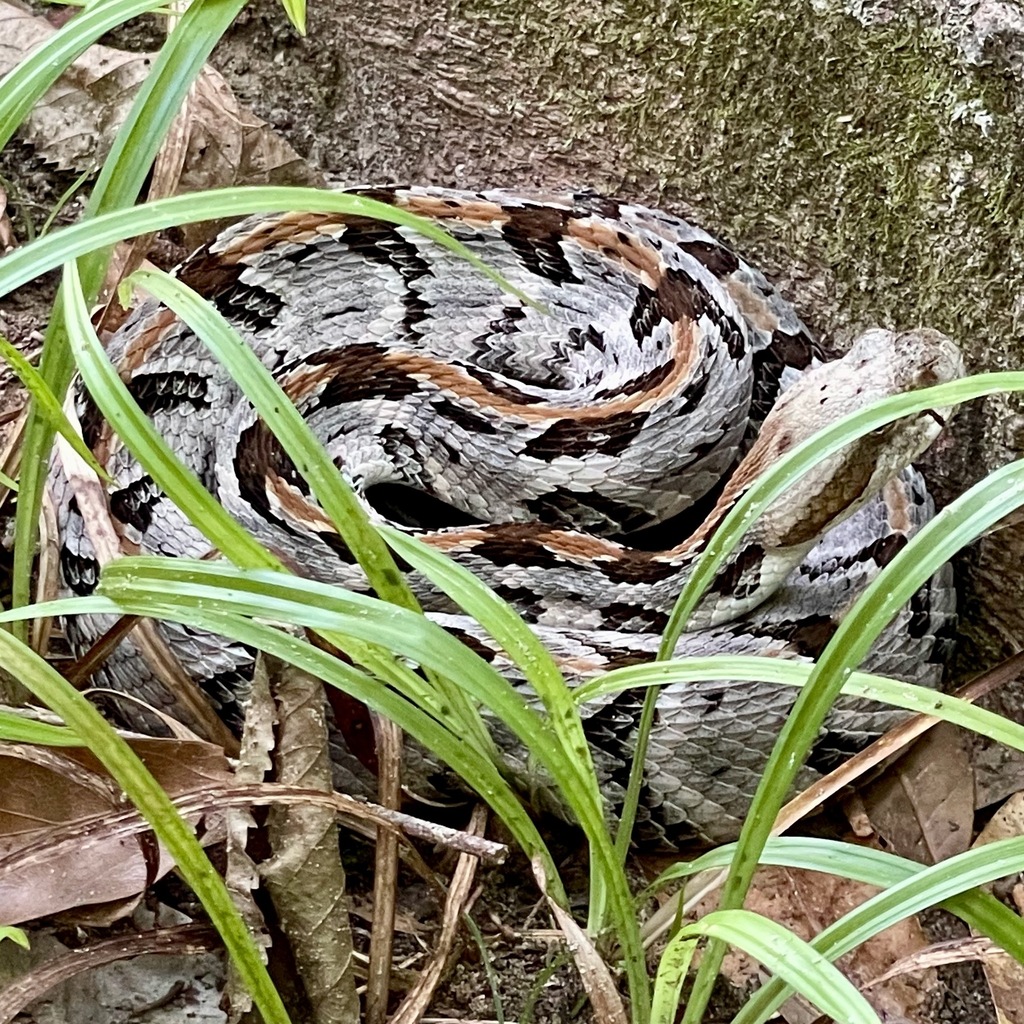
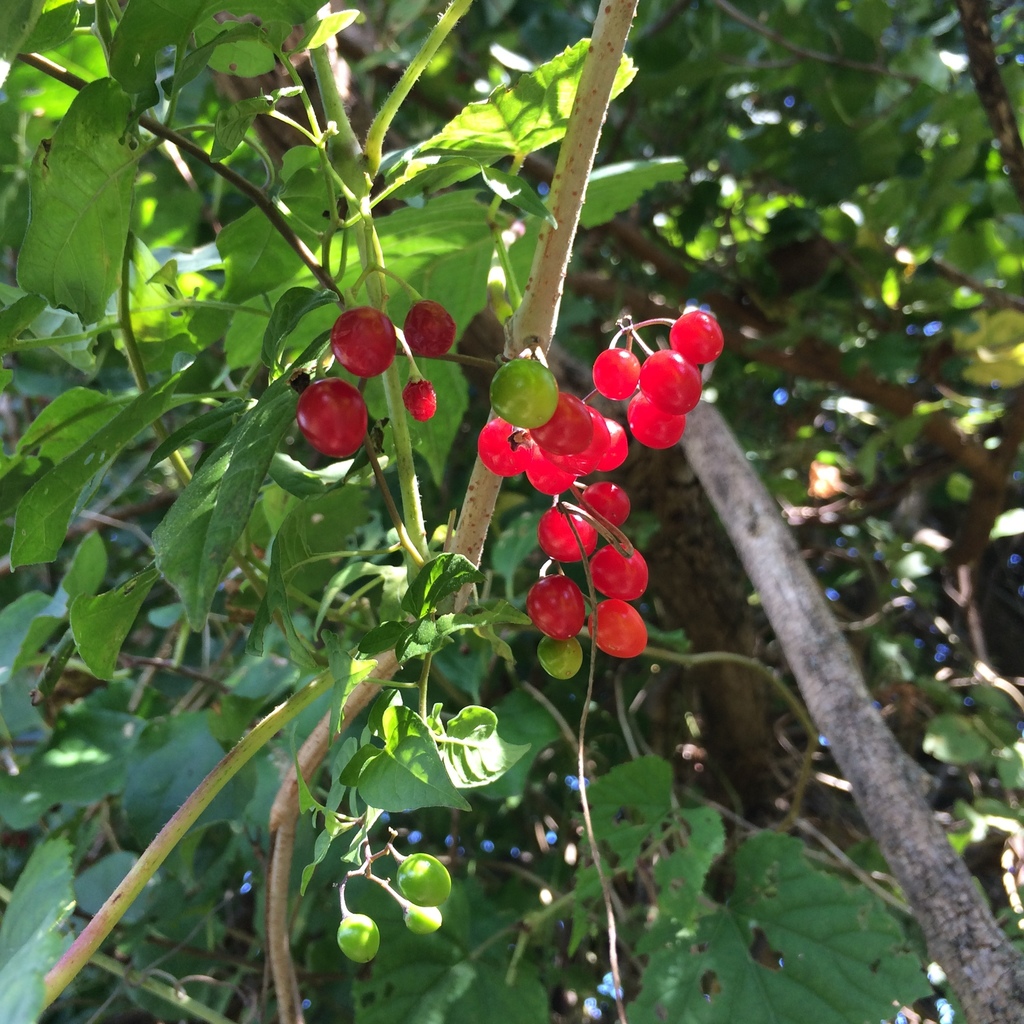
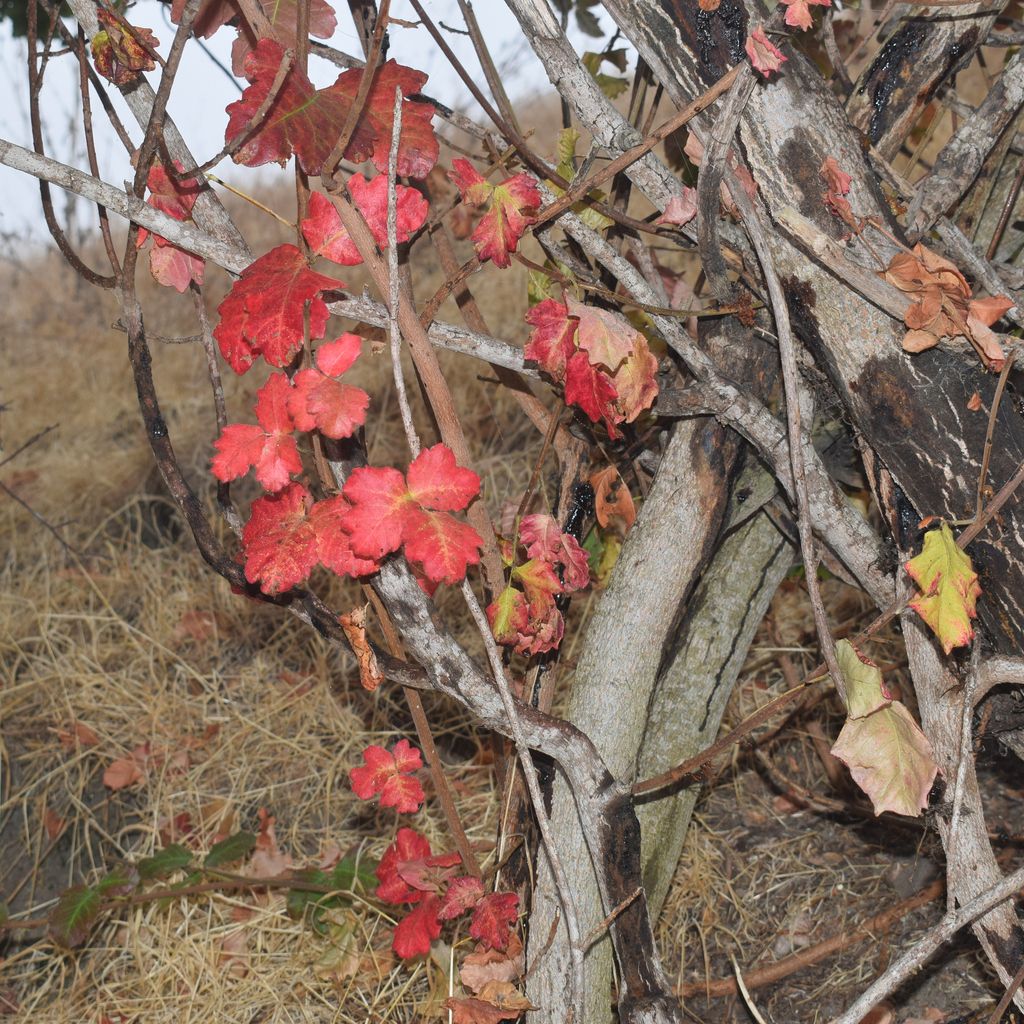
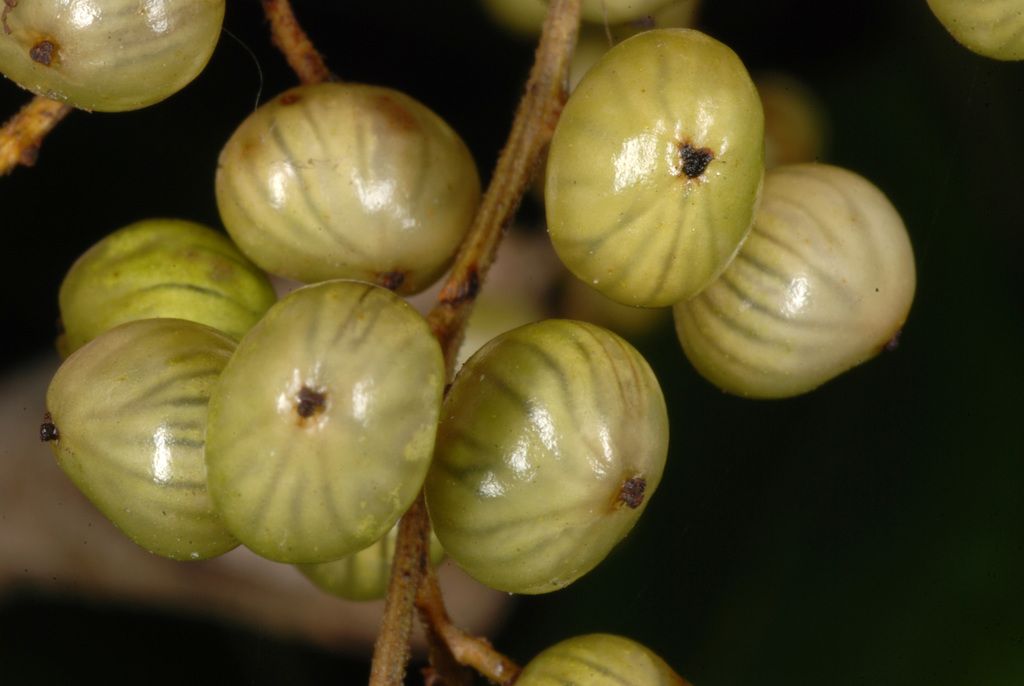
Dangerous plants, mushrooms, animals and animal sign
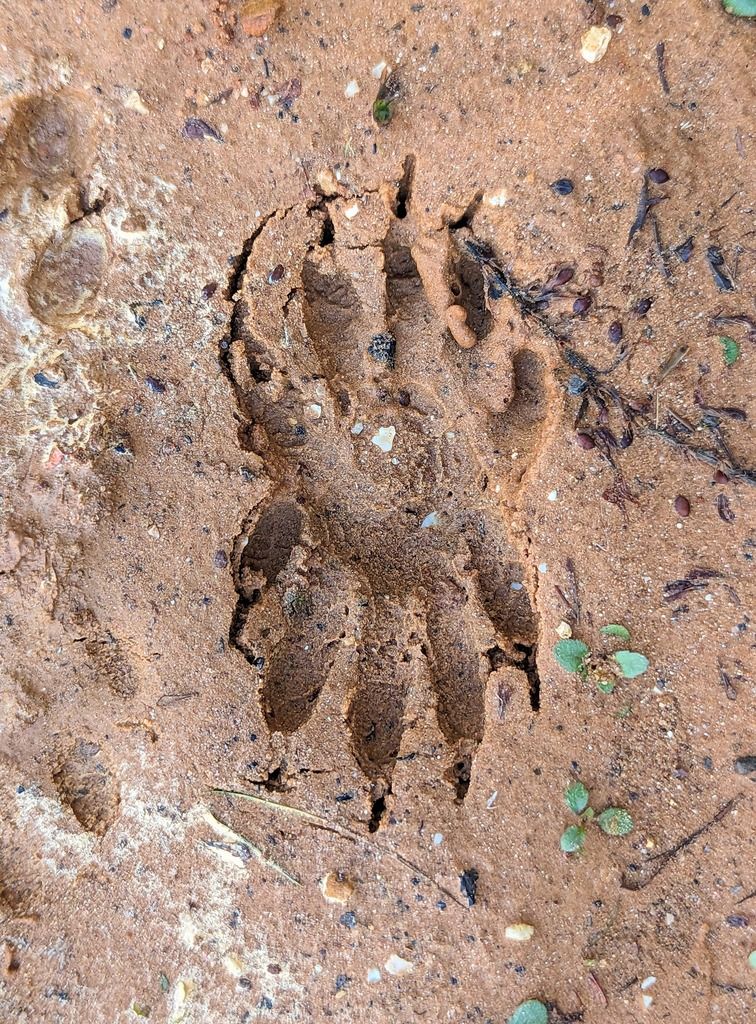
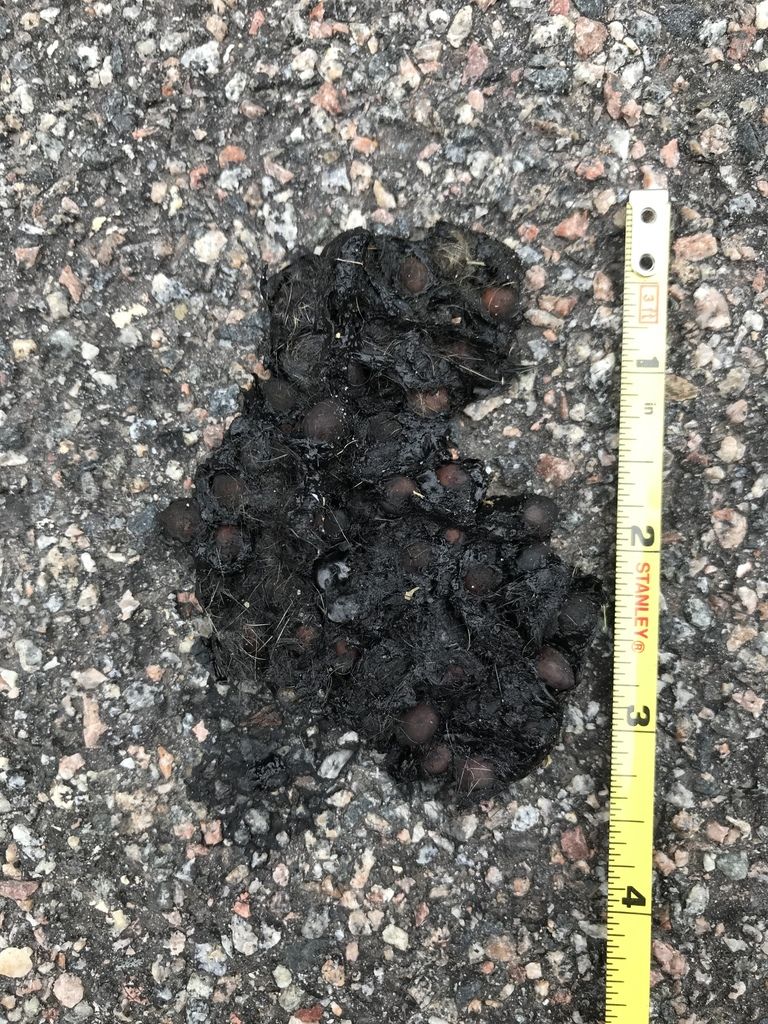
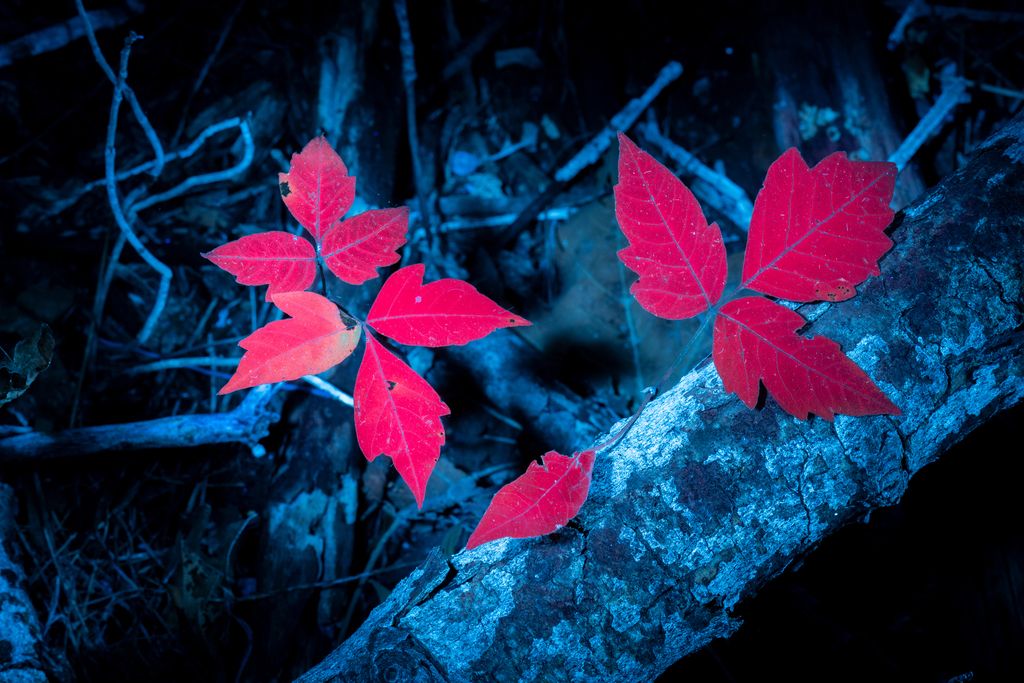
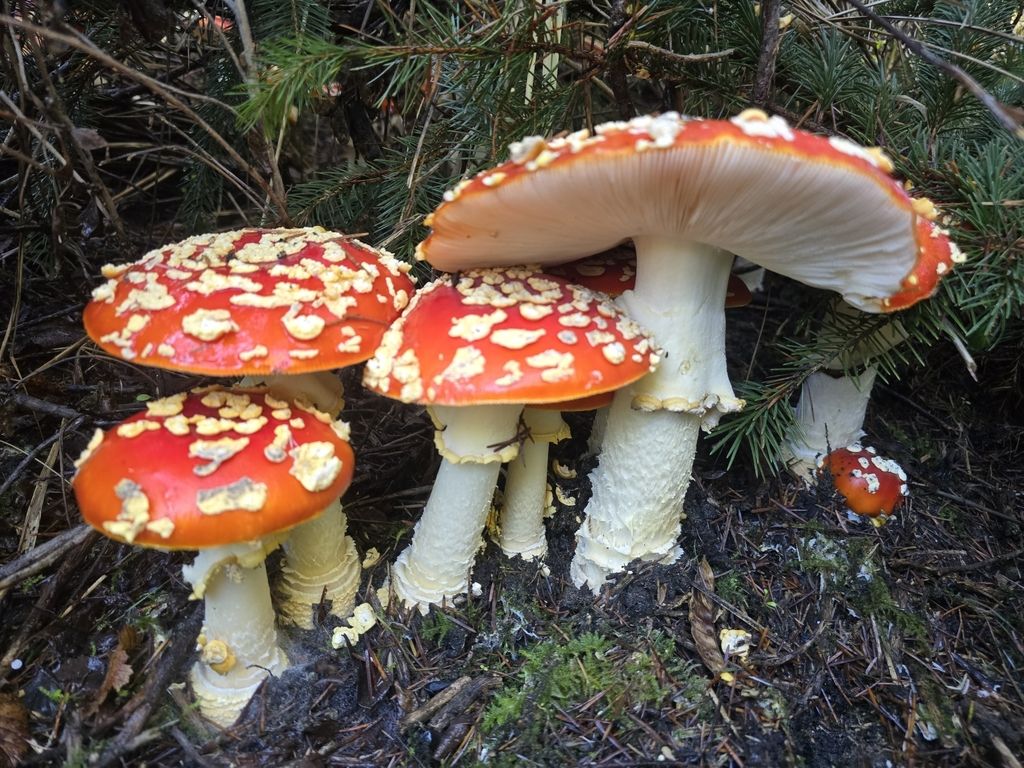
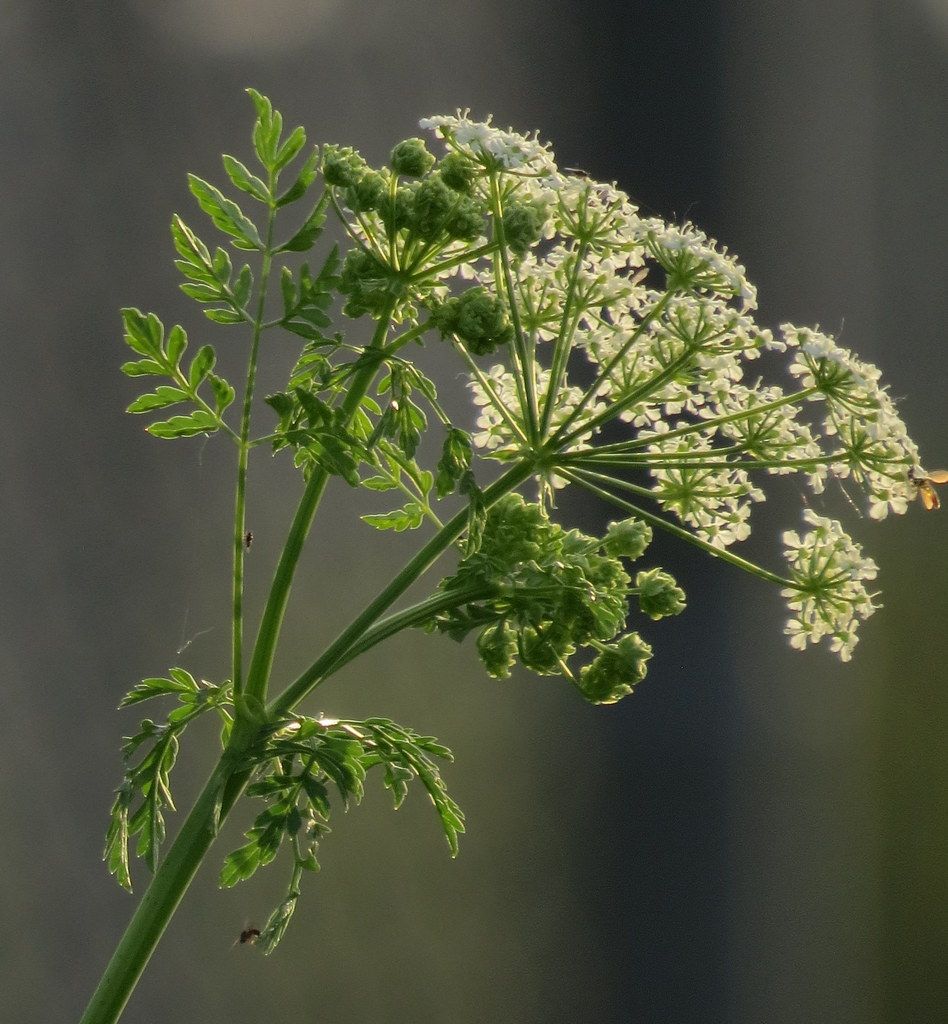
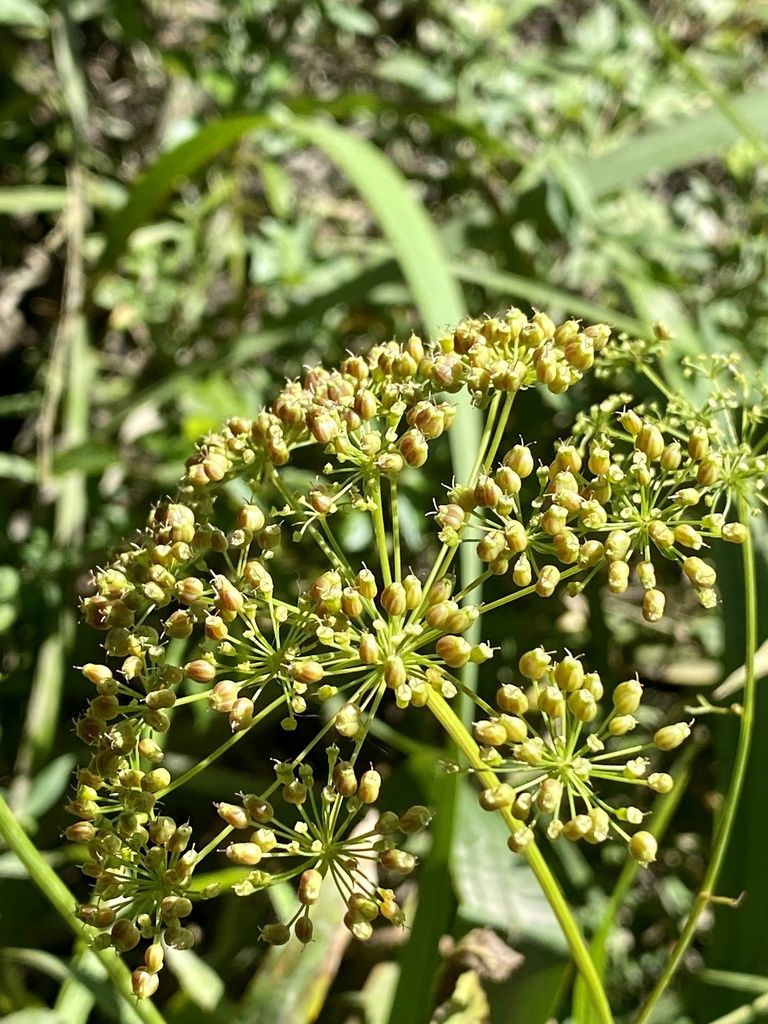
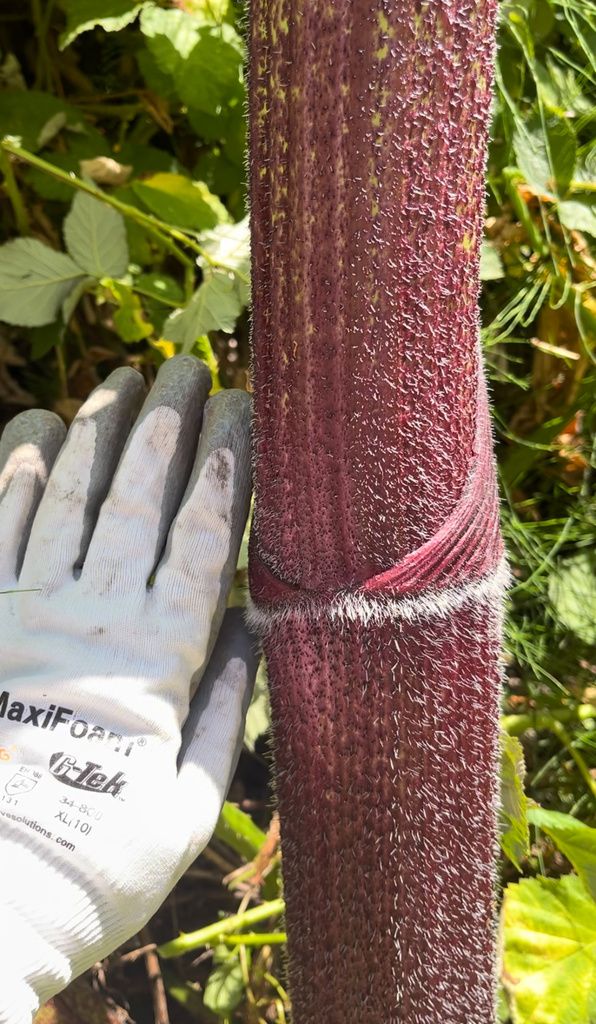
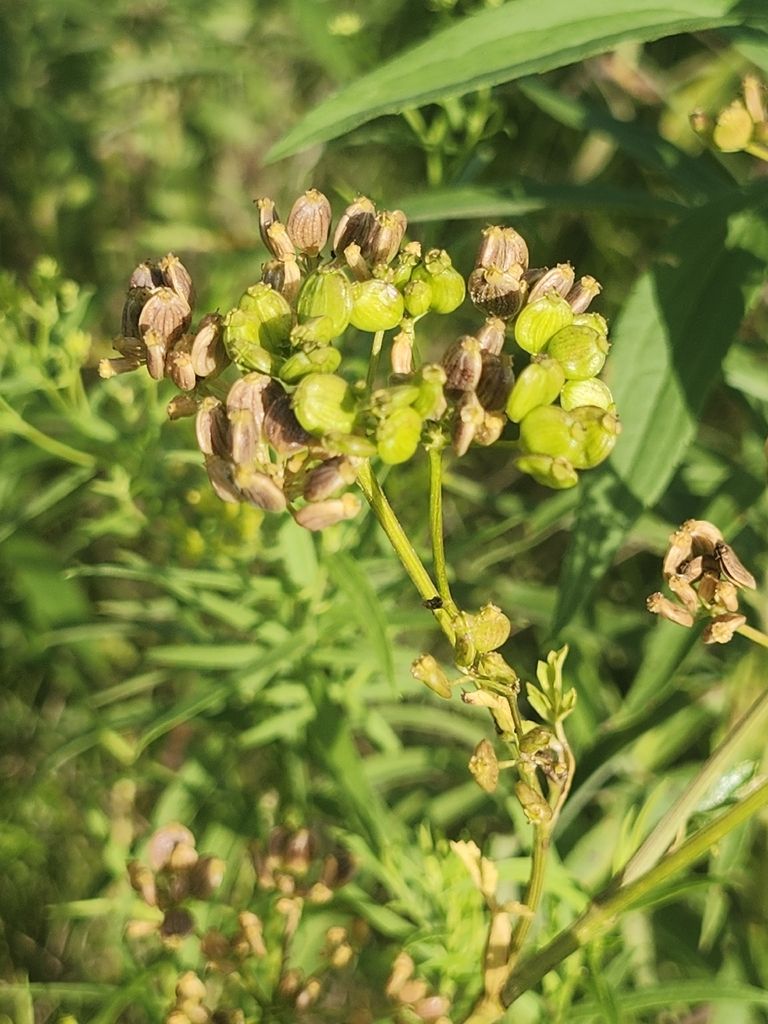
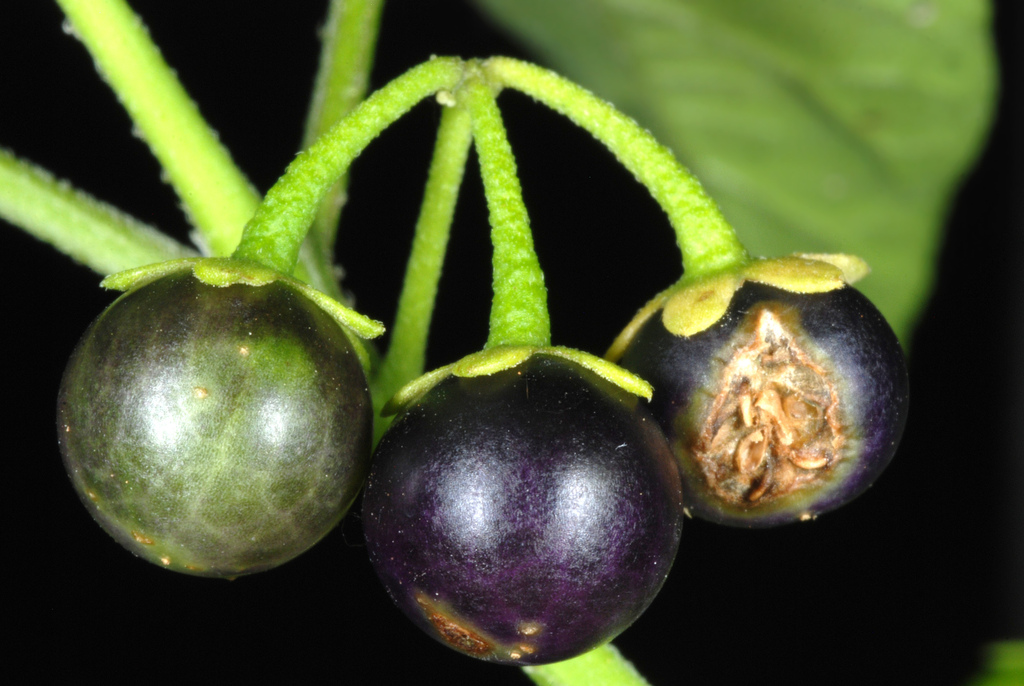
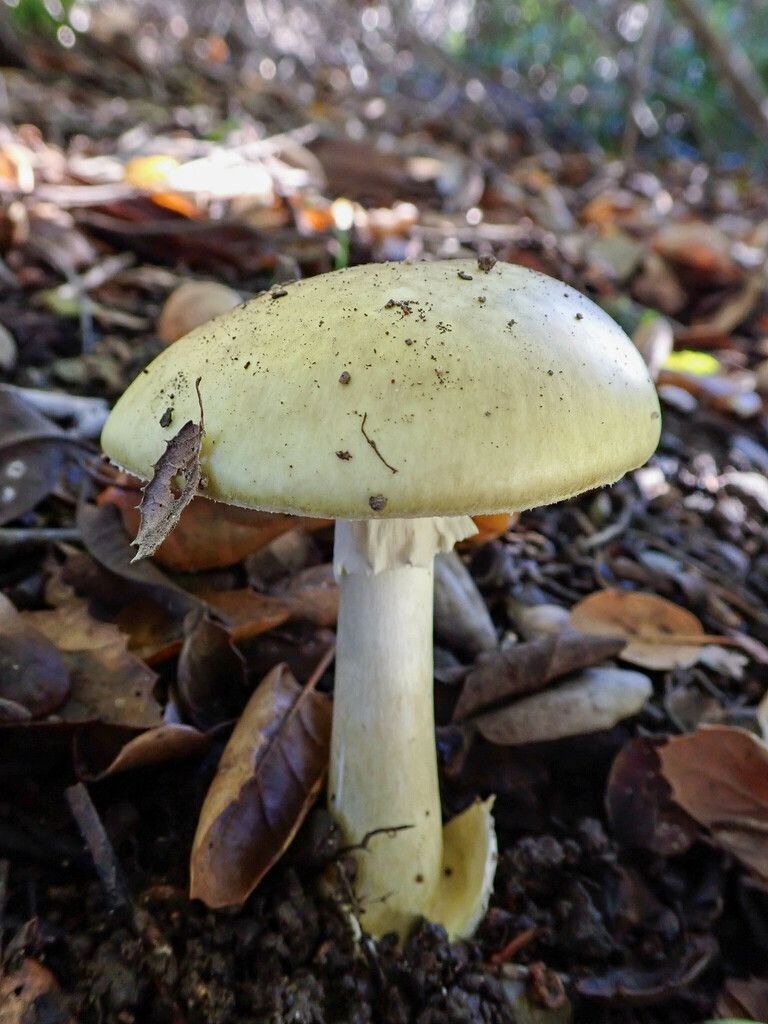
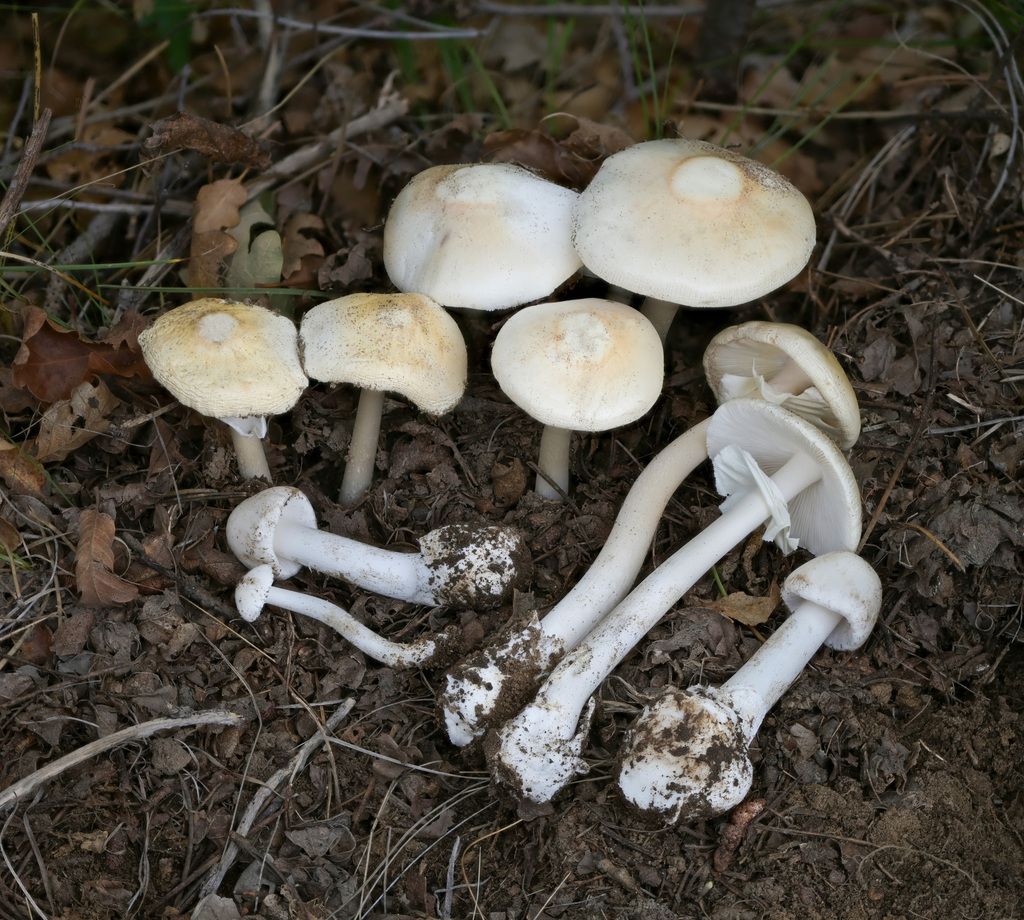
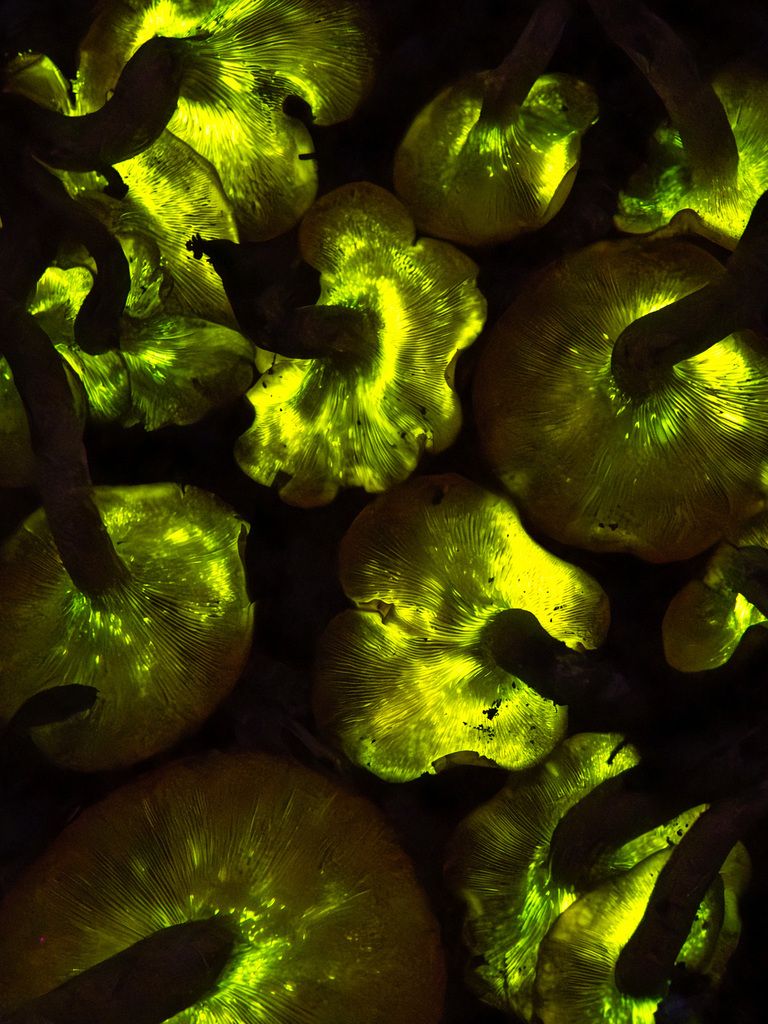
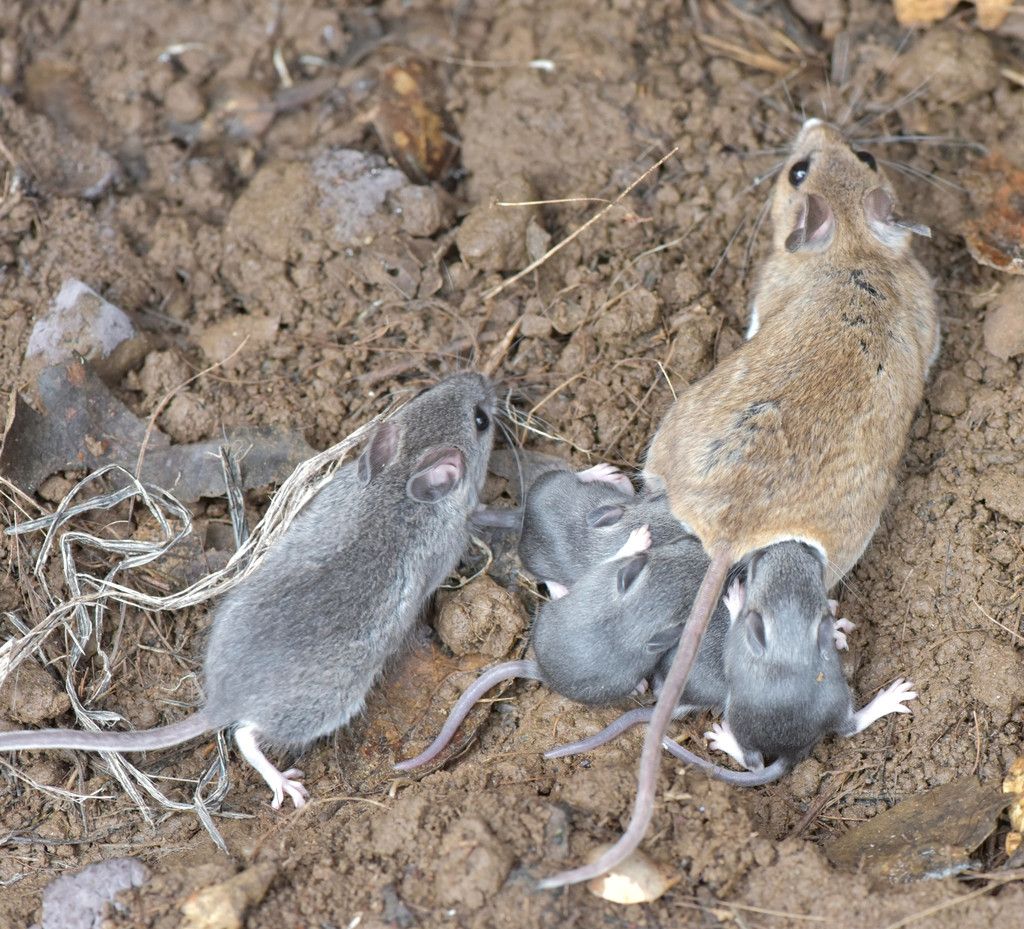
What to stay away from, and how to read what an animal left behind, for anywhere in the US. Each page has a real photo, the features that tell it apart, its look-alikes, and what to do. The plant and mushroom pages help you avoid them; none of them says anything is safe to eat.
They are written in plain words from public sources: the US Army survival manual, CDC, the National Park Service, the US Fish and Wildlife Service and the USDA. Each page lists its sources, and each photo is a free-license photo credited on its page.
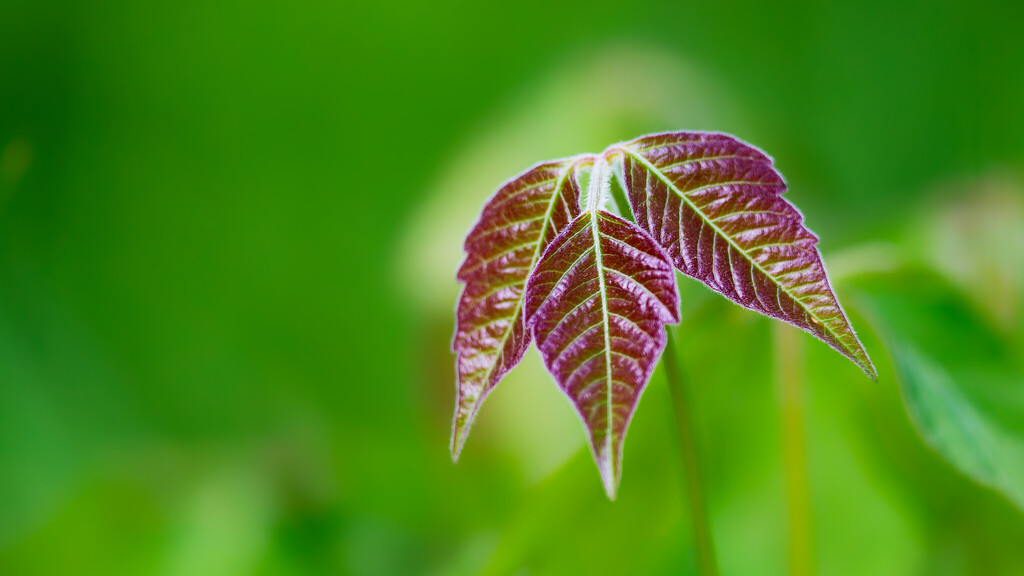
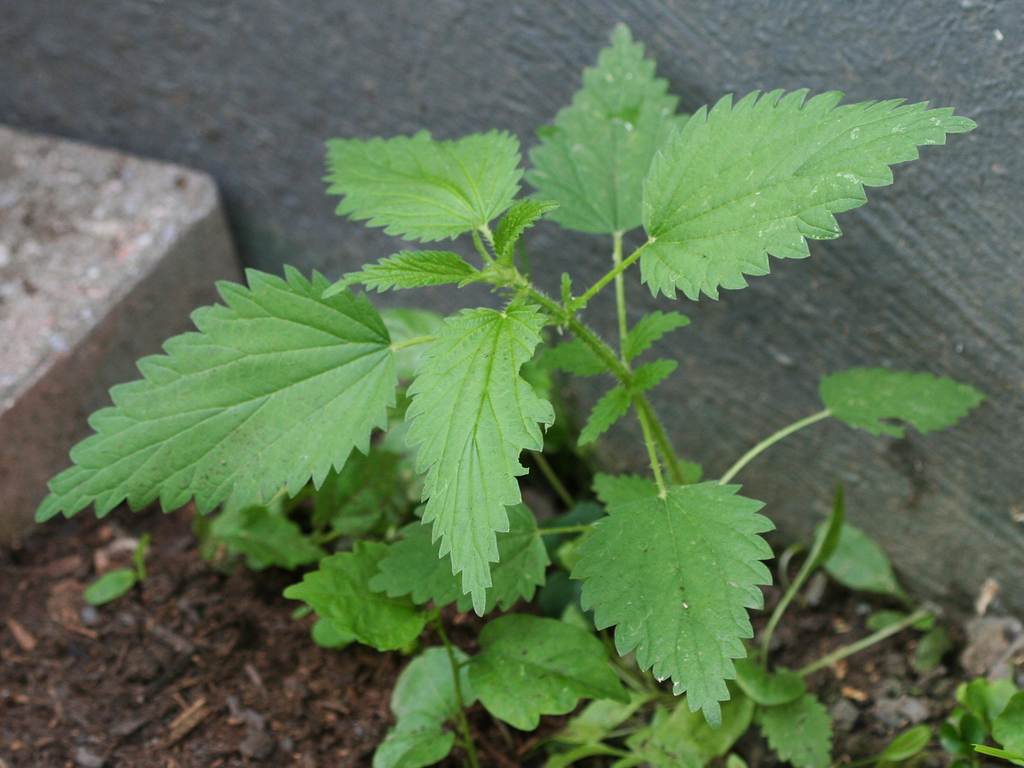
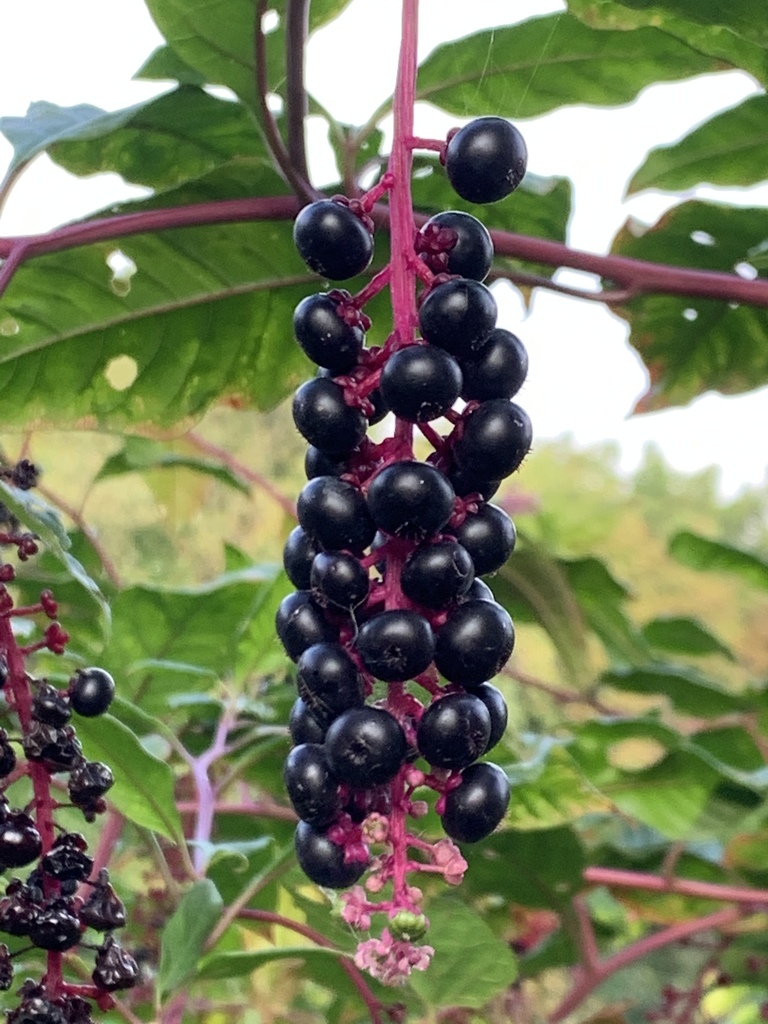
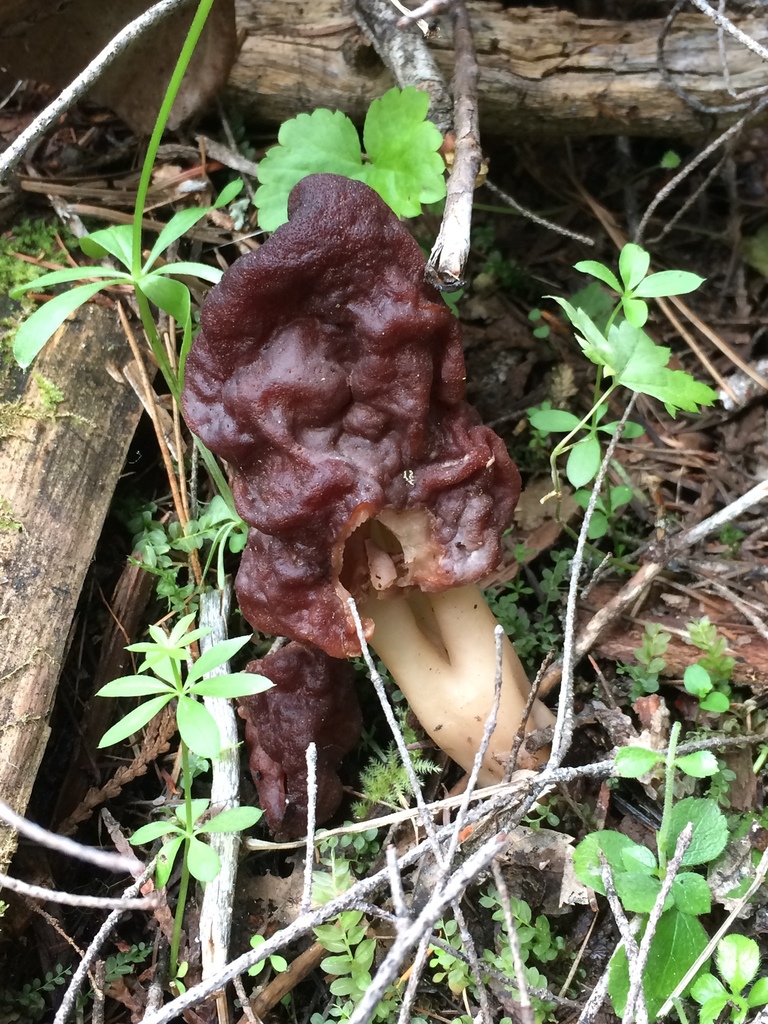
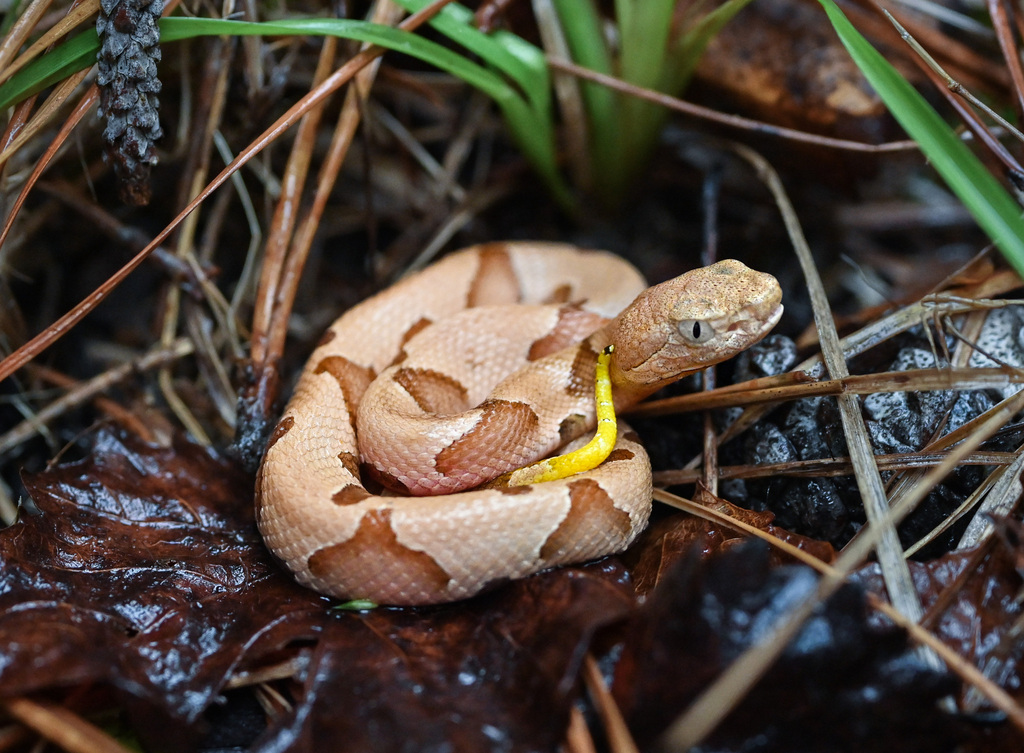
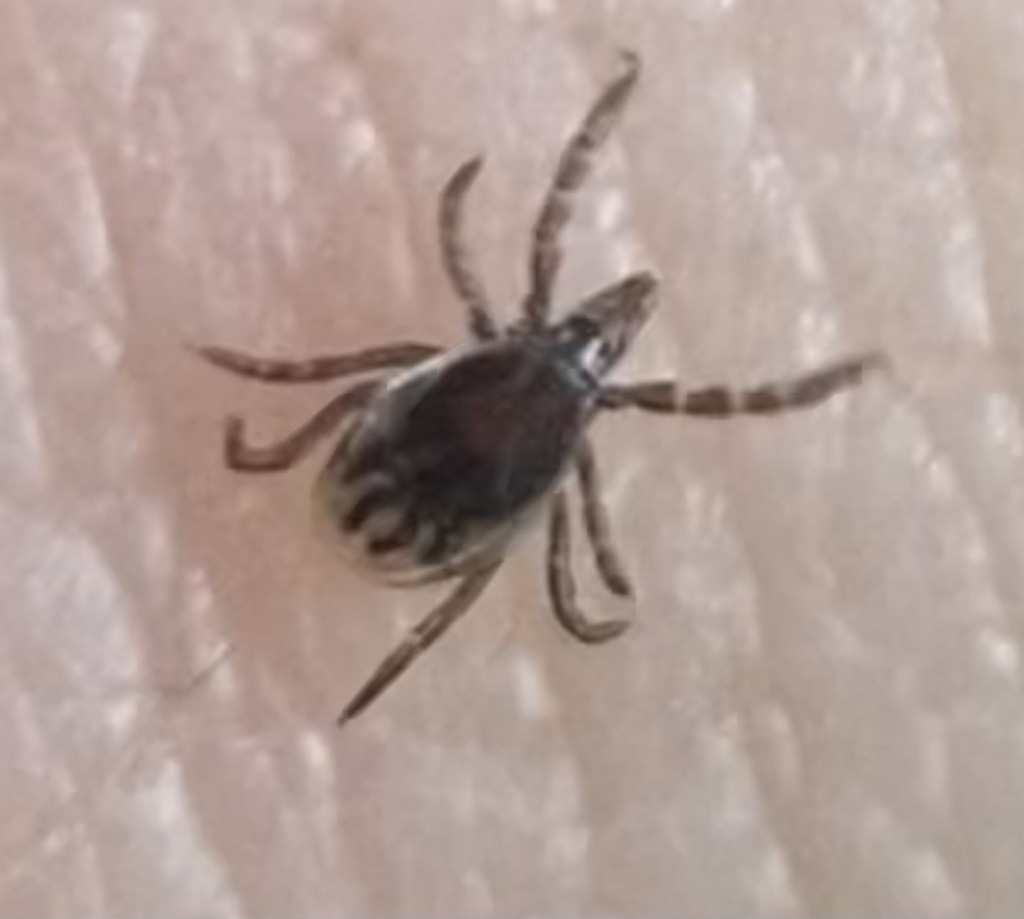
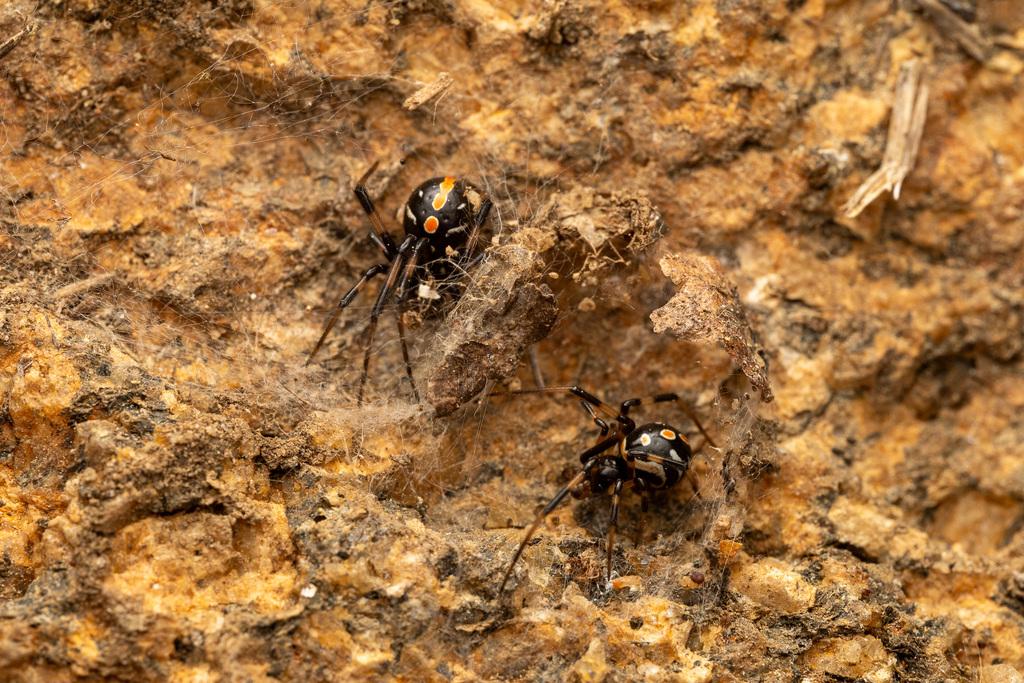
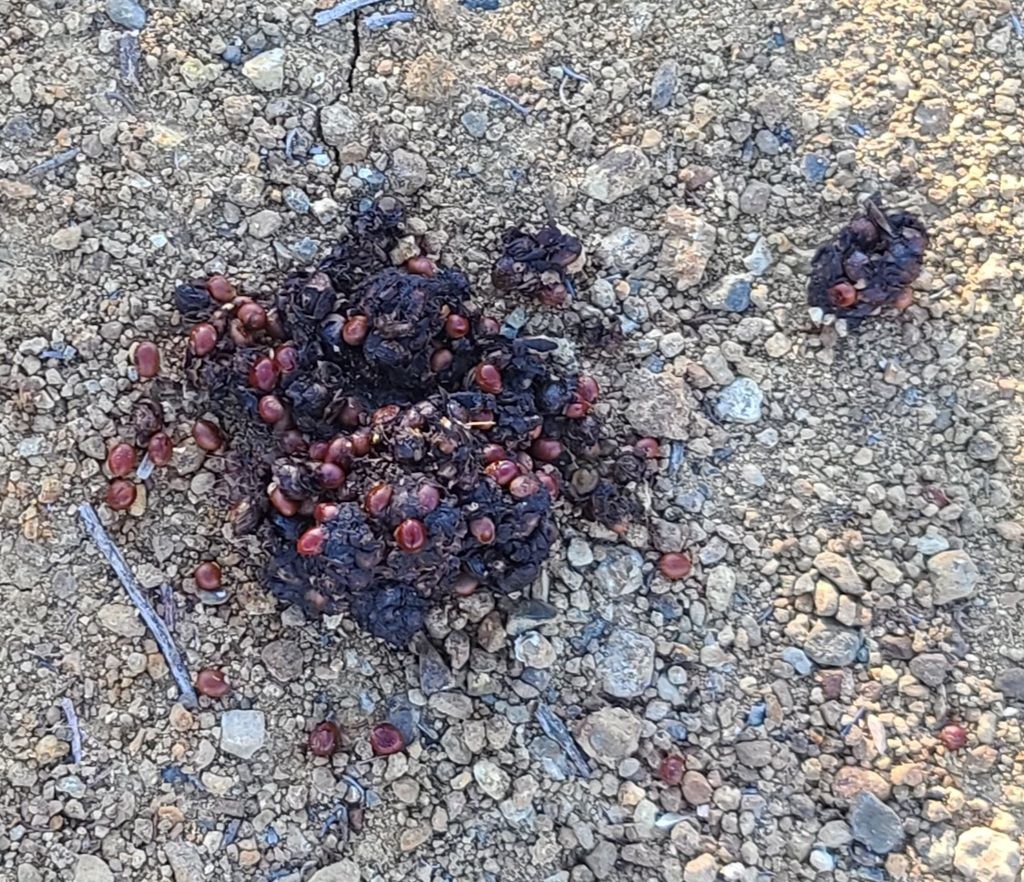
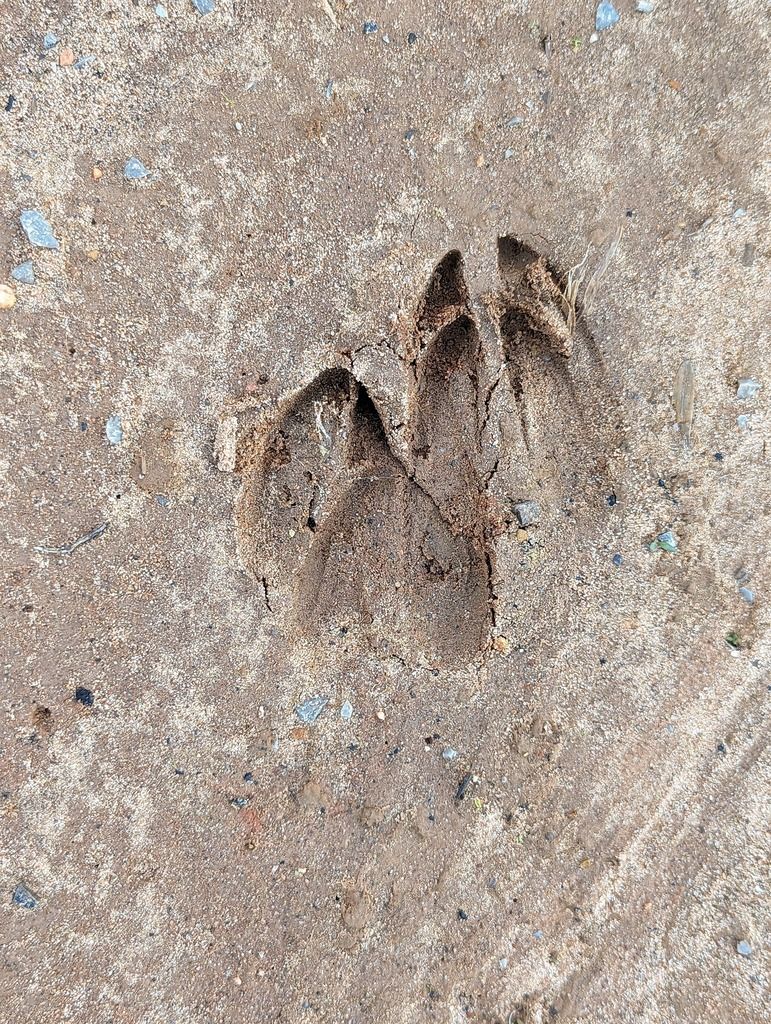
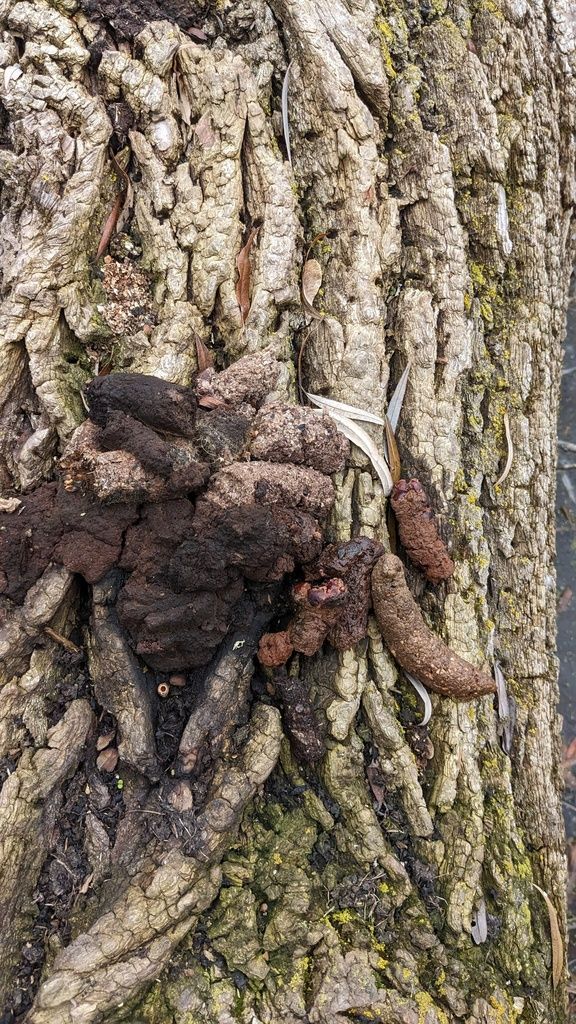
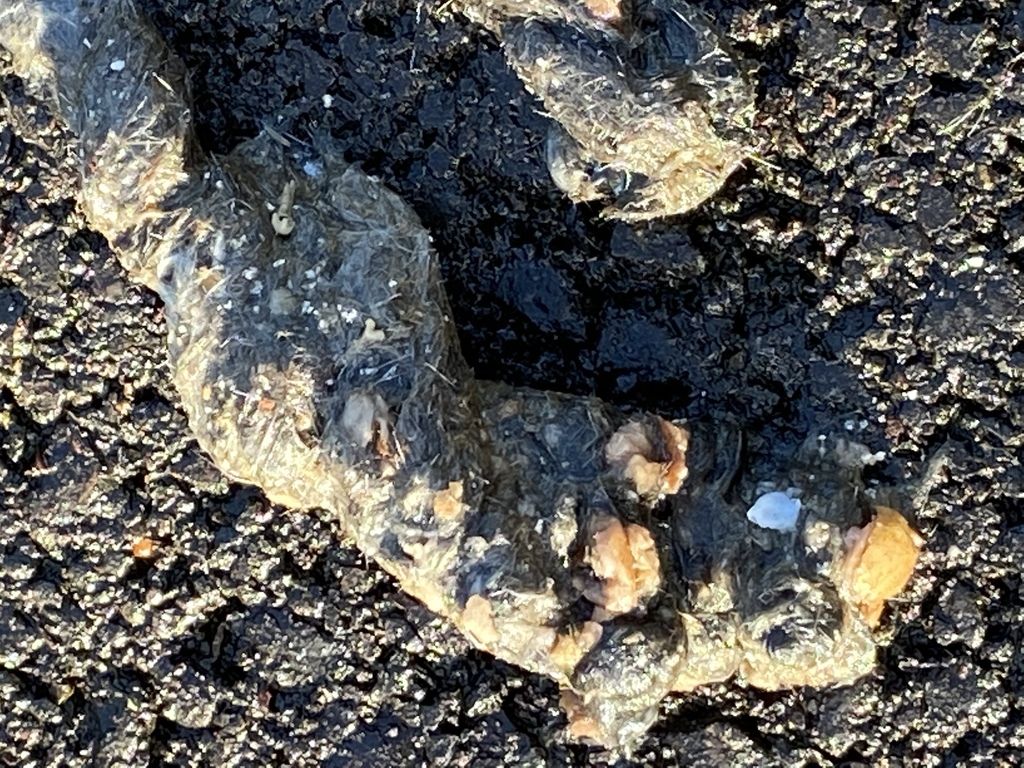
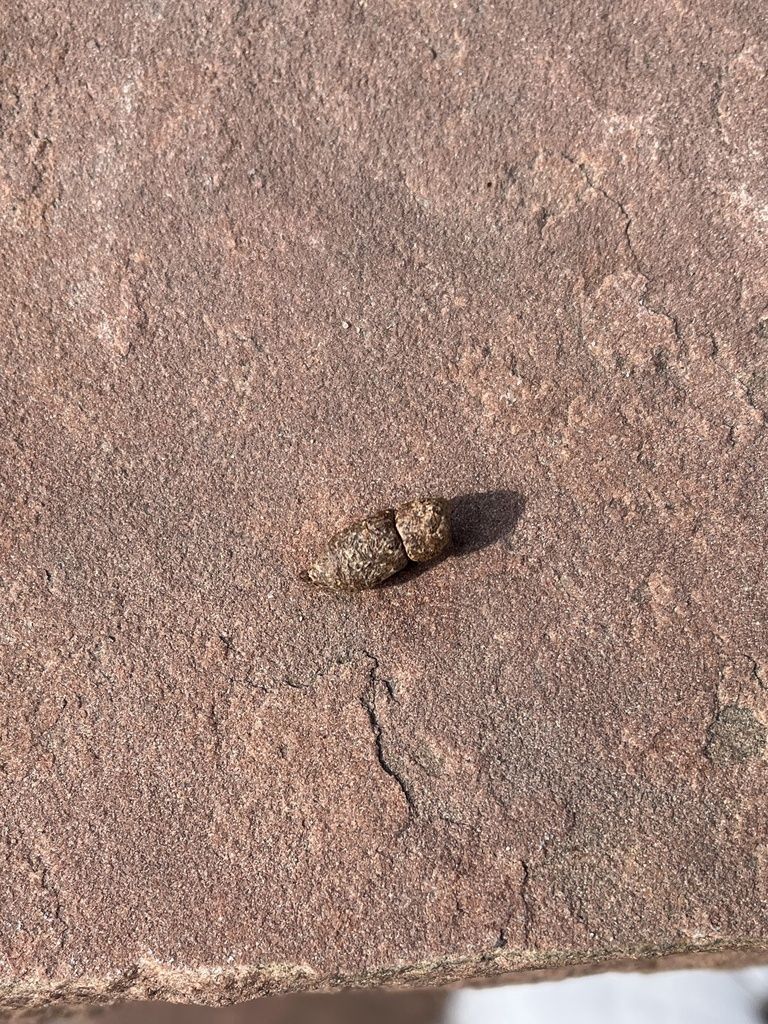
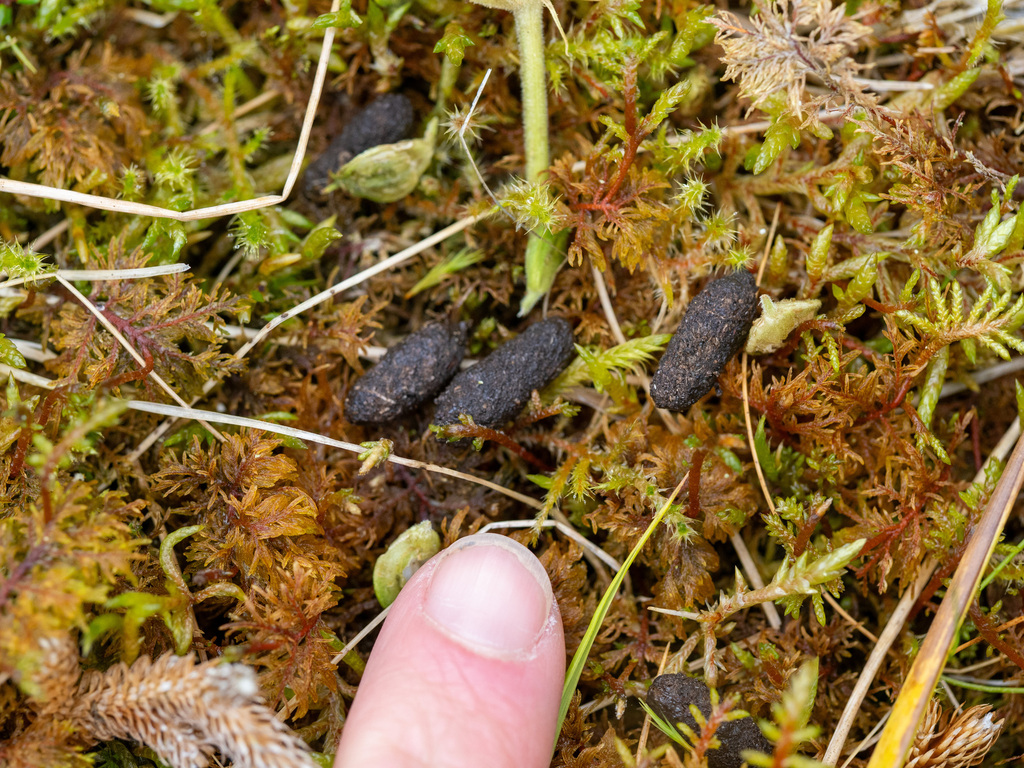
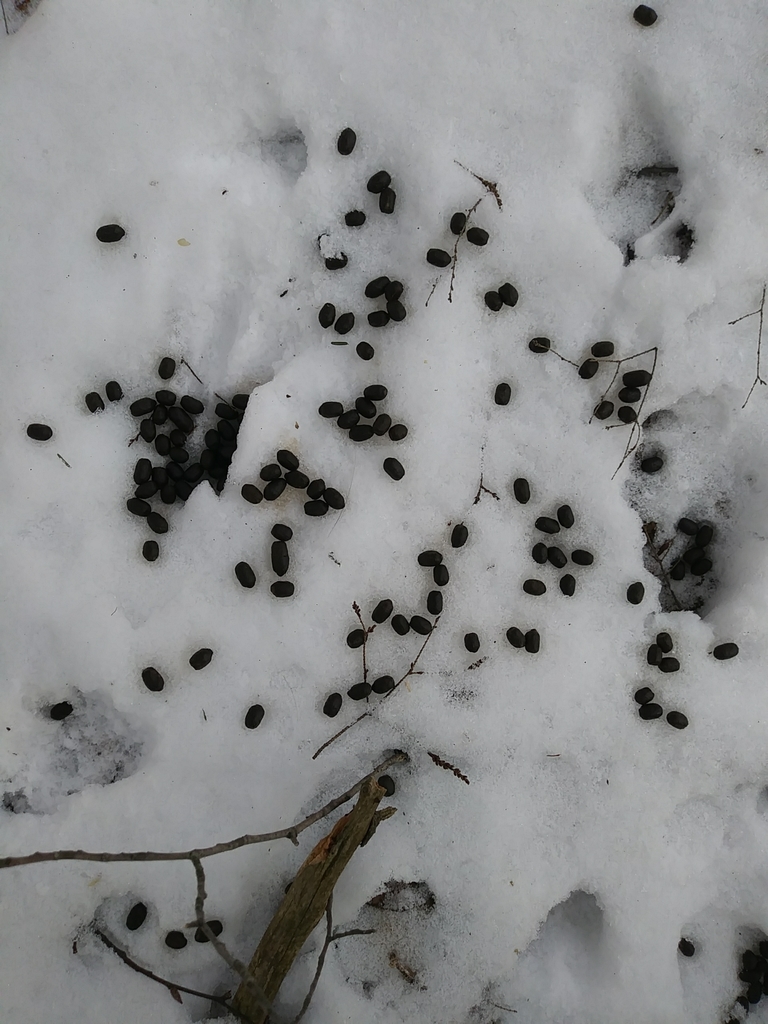
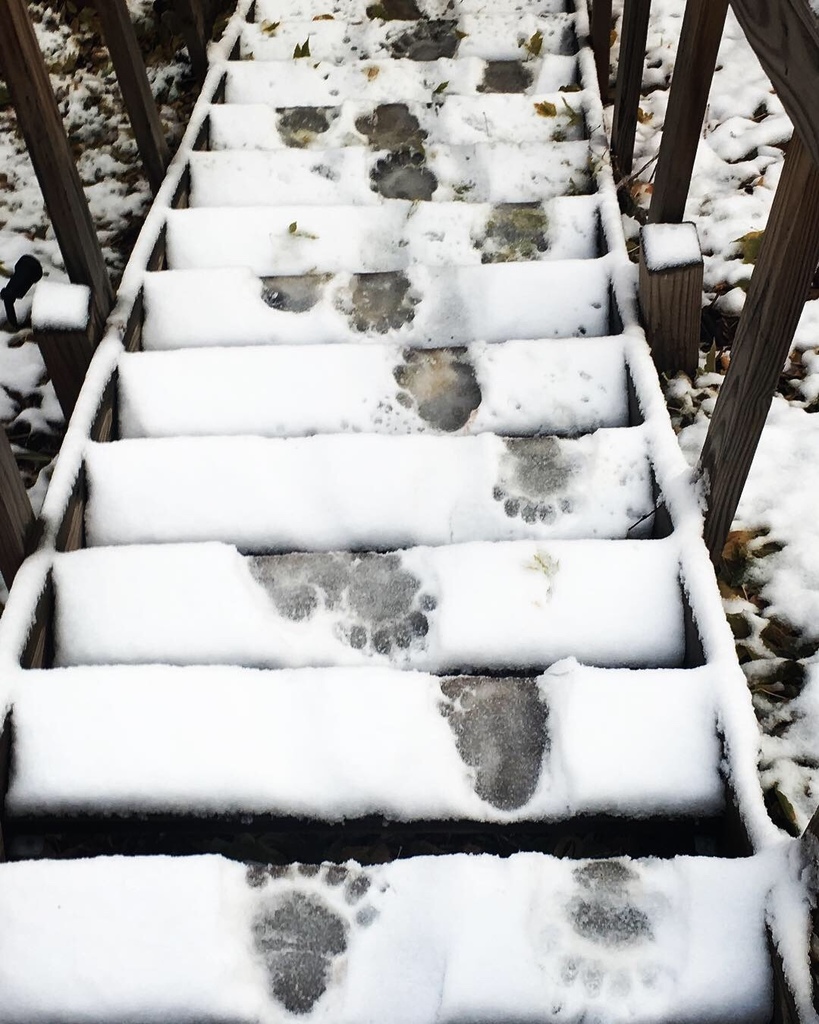
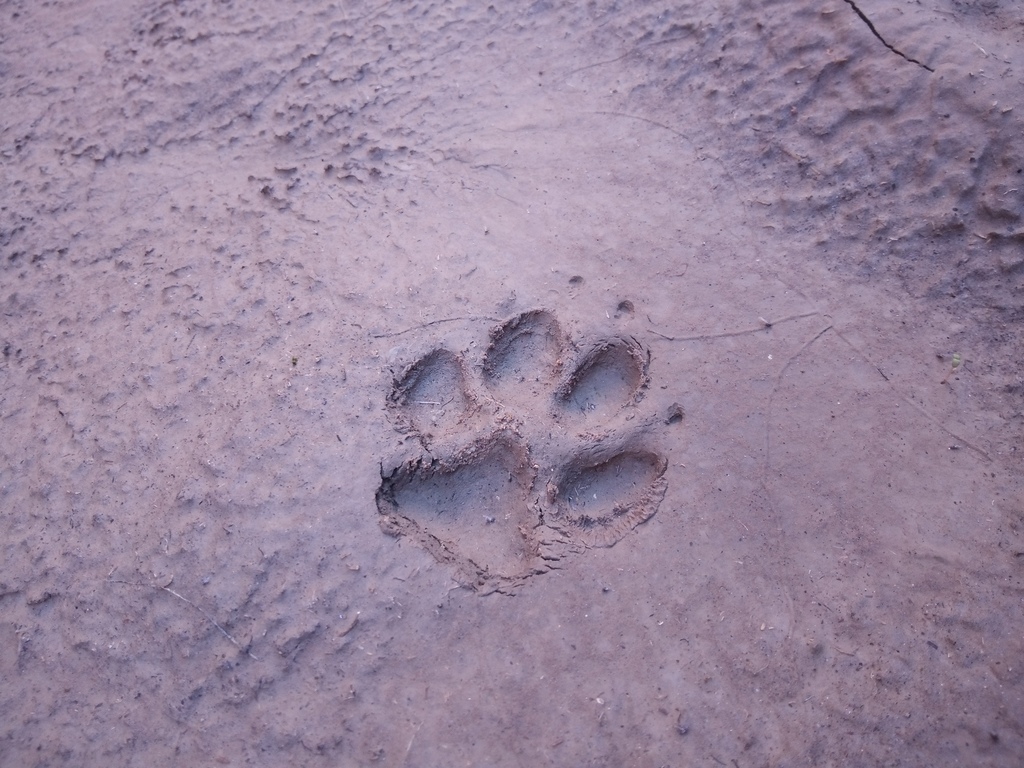
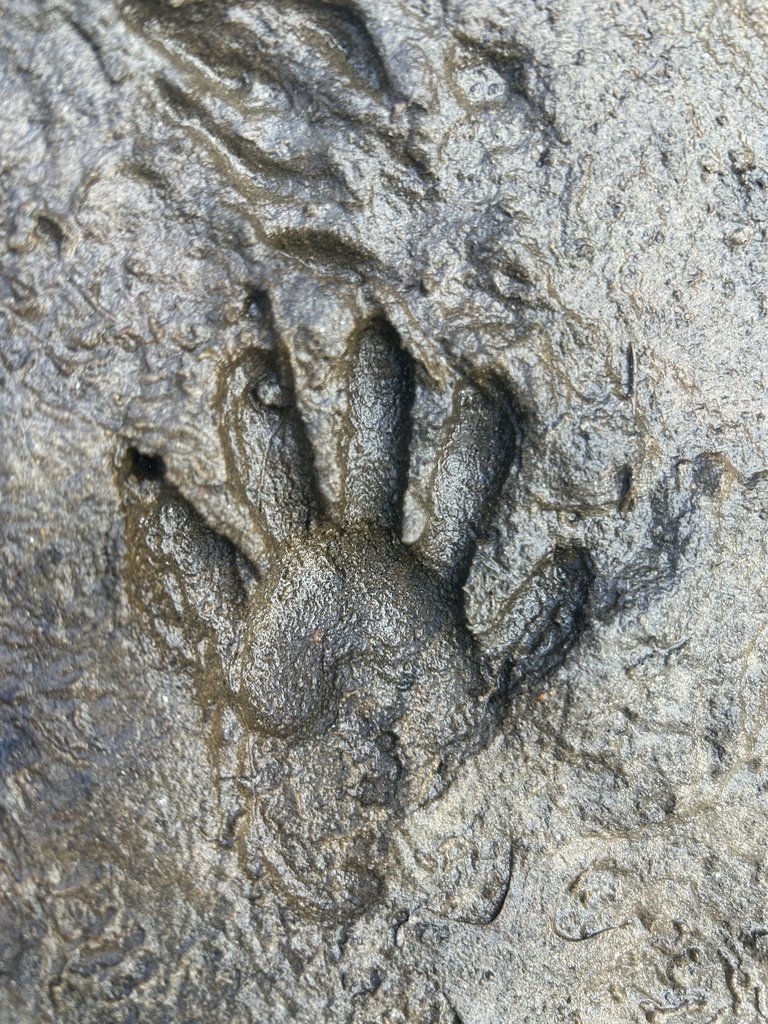
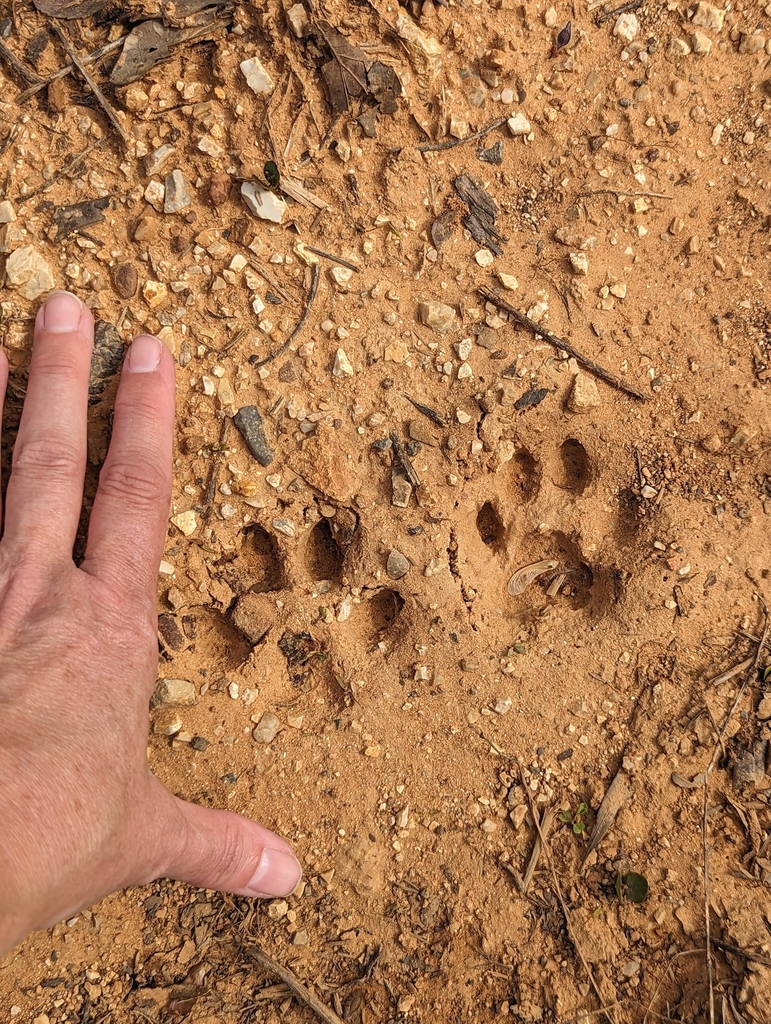
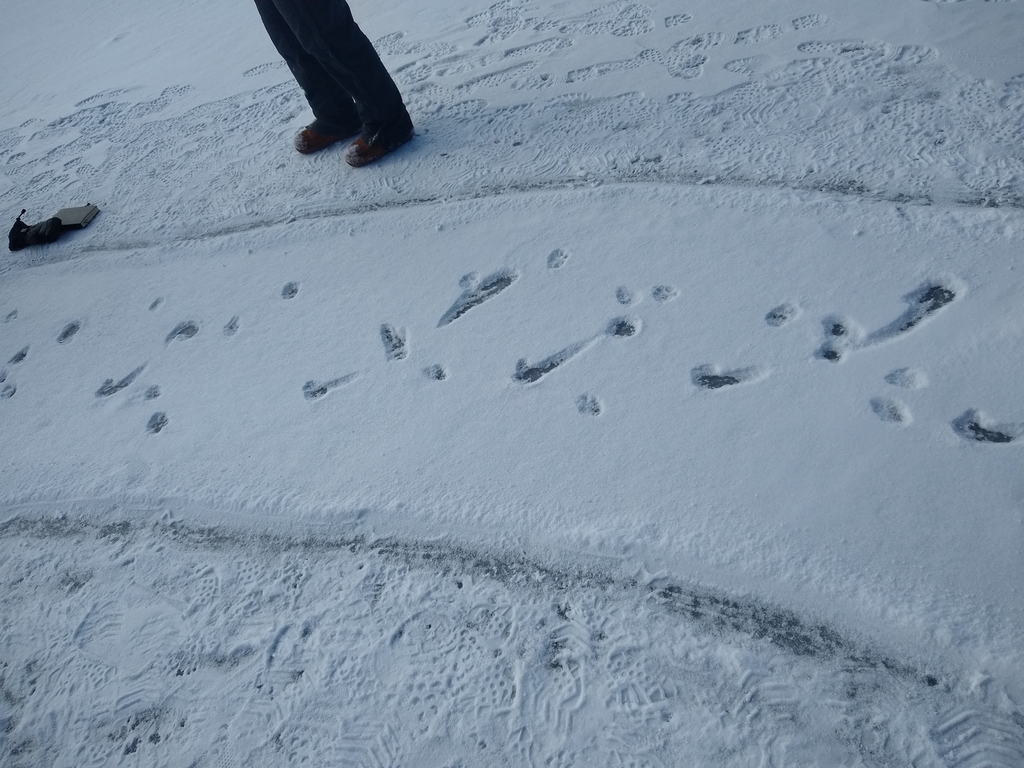
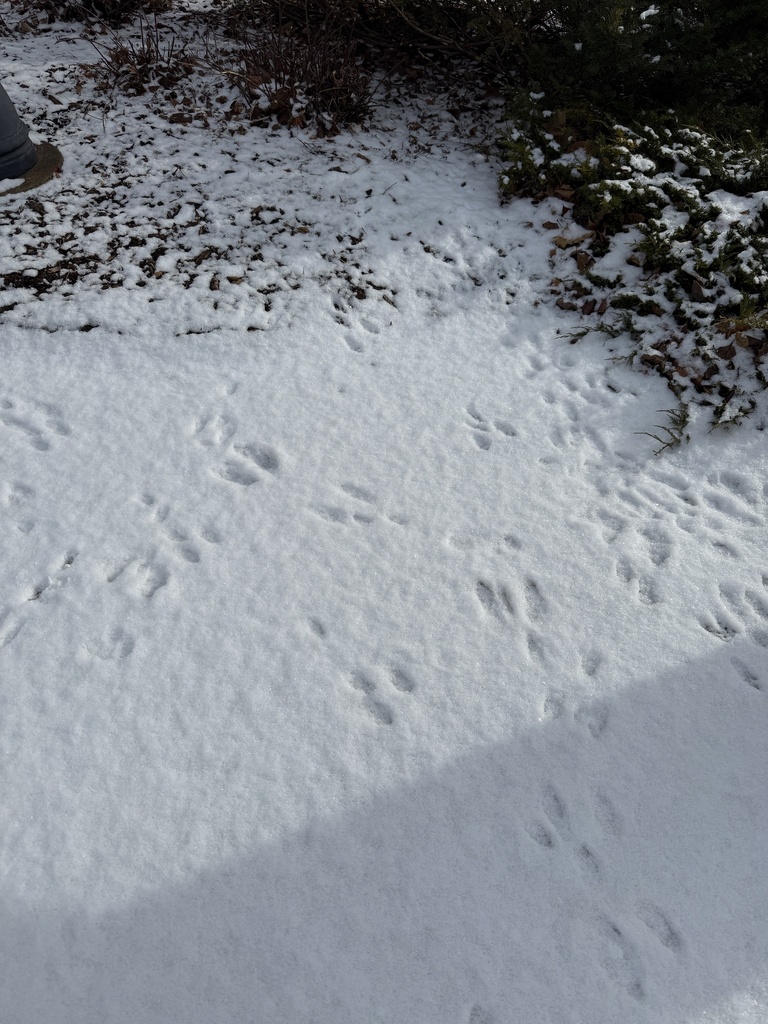
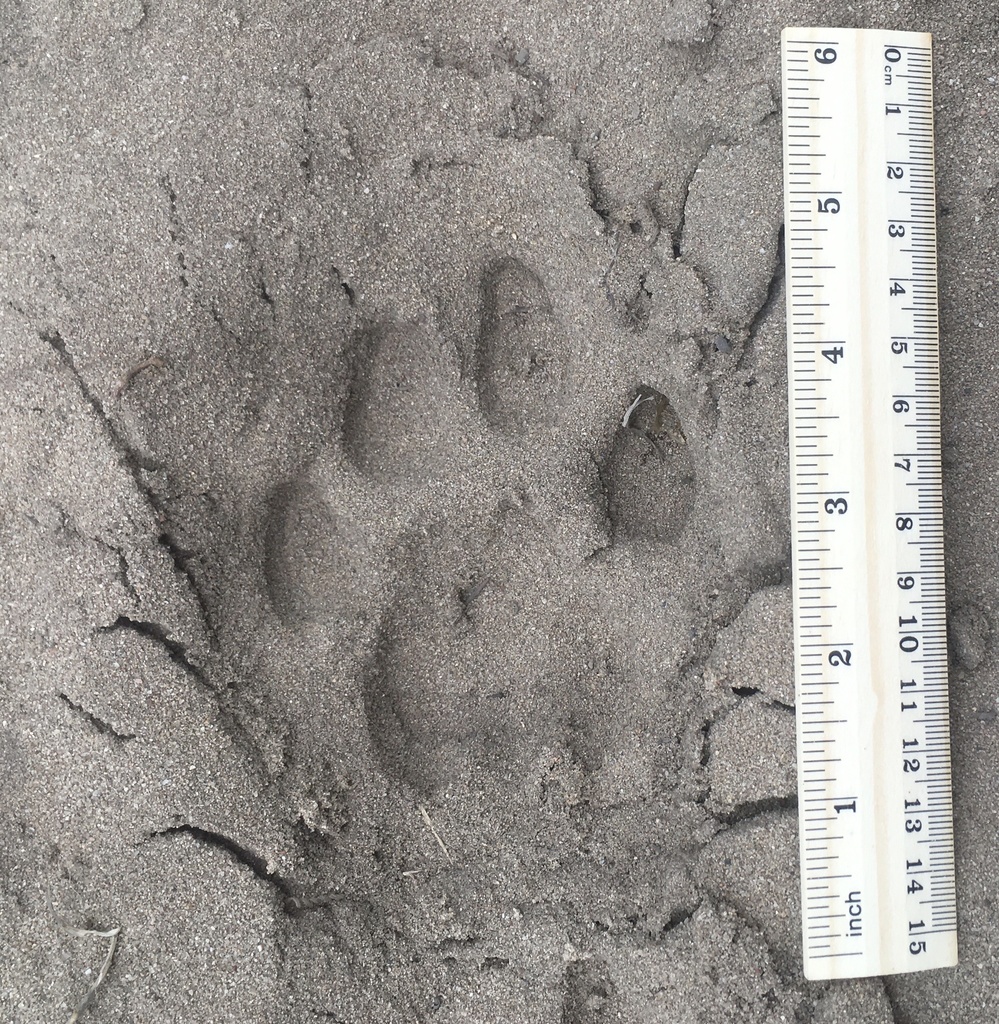
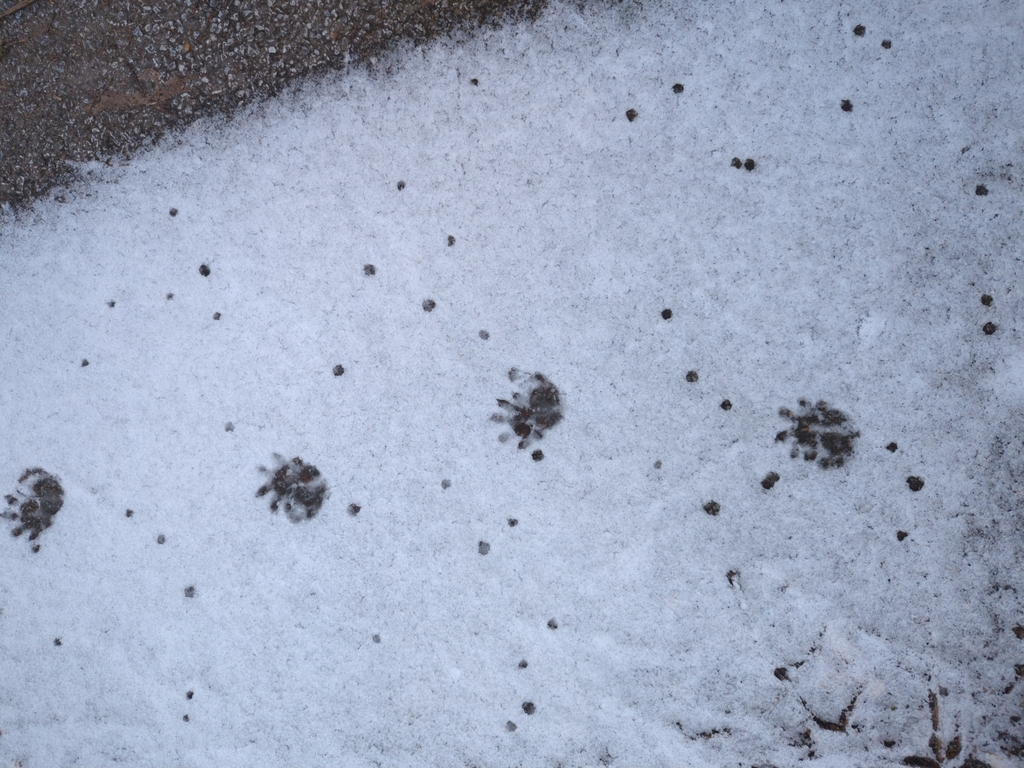
Start with the four guides if you are new. Tracks and droppings tell you what has been near your camp or trail. The dangerous animal pages cover venomous snakes, ticks and spiders and what to do after a bite. The touch plants (poison ivy, poison oak, poison sumac, stinging nettle, giant hogweed, wild parsnip) cause rashes and burns. The eat plants and the mushrooms can kill, and most of them look like something people think is safe. When you find something you cannot name, take a clear photo with something for size and check it with Identify in the app.