Poisonous plant
Poison oak: how to spot it and what to do after touching it
Poison oak gives the same itchy, blistering rash as poison ivy. The US has two kinds: Pacific poison oak along the West Coast, and Atlantic poison oak on dry, sandy ground across the Southeast.
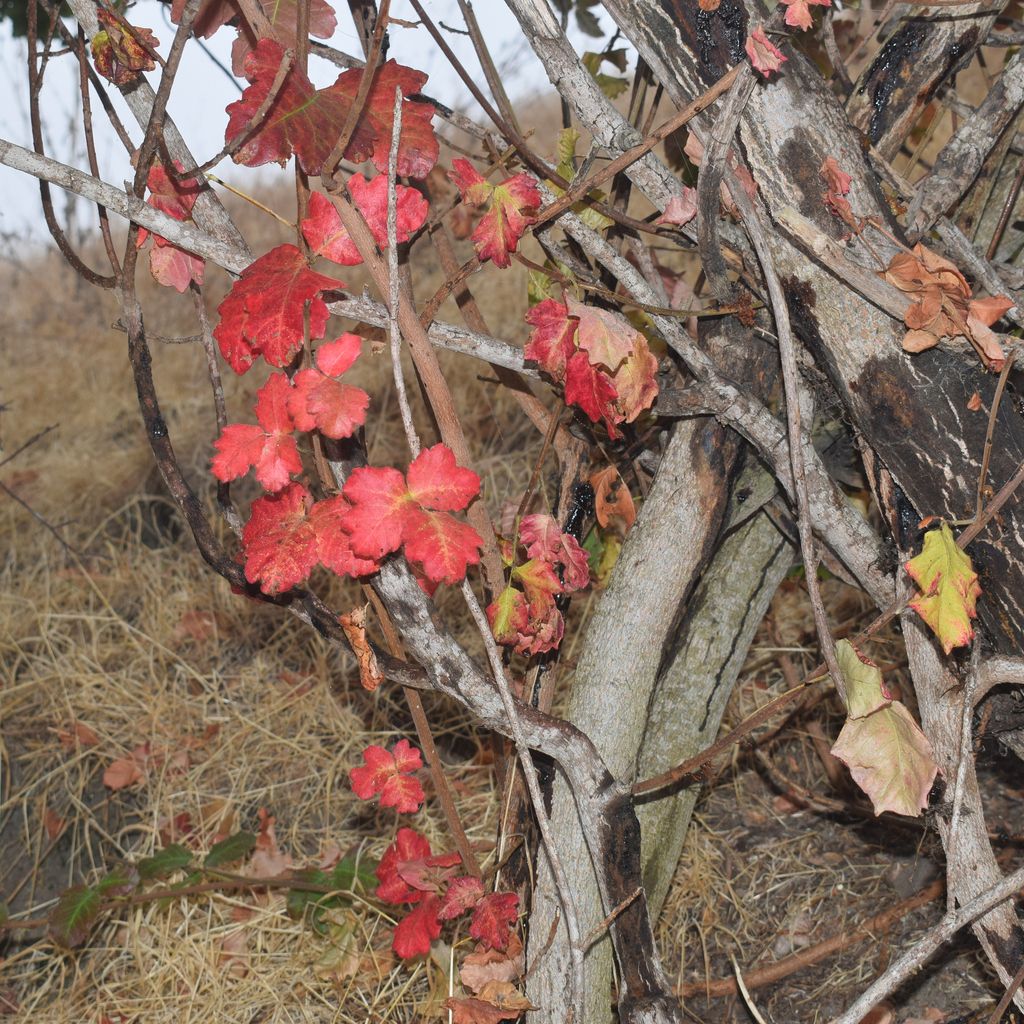
How to tell it
- Three leaflets on each leaf stem, with rounded, lobed edges that look like small oak leaves.
- Grows as a low shrub, or in the West also as a climbing vine.
- Leaves can be shiny or dull and turn red in late summer and fall. Leaves of the Atlantic kind are often fuzzy.
- Small greenish-white or tan berries in clusters. The bare stems in winter still carry the oil.
Where you find it
The Pacific kind grows from Washington to California in woods, chaparral and canyon edges. The Atlantic kind grows in pine woods and sandy, dry places from New Jersey to Texas.
Scientific name: Toxicodendron diversilobum and T. pubescens
Look-alikes
Also three leaflets, but with pointed tips and smoother edges. It carries the same oil, so treat it the same way.
Three lobed leaflets too, but it has fuzzy red berries and a lemony smell when crushed. Harmless, but if you are not sure, do not touch.
Oak leaves grow one per stem, not in threes.
Why it is dangerous
The oil, urushiol, is in every part of the plant all year. It rides on clothes, gloves, tools and dog fur, and smoke from burning the plant can cause a dangerous reaction in the lungs. The rash itself does not spread from blister fluid; new patches come from oil that was never washed off.
What to do
- Wash the skin right away with rubbing alcohol, a poison plant wash, or dish soap and lots of water. Rinse often so the wash does not dry and spread the oil.
- Scrub under your fingernails.
- Wash the clothes separately in hot water, and clean tools with rubbing alcohol while wearing disposable gloves.
- For itching, use cool wet cloths, calamine lotion or hydrocortisone cream.
- Get medical care for a rash on the face or genitals or covering much of the body. Call 911 for swelling of the face or throat or trouble breathing.
The free app reads your photo, names the likely match, shows its look-alikes, and tells you what has been seen near your ZIP code.
Sources
Written in our own words from these public sources.