Guide
Poisonous plants: the ones that burn, the ones that kill
Dangerous plants hurt you two ways. Some harm your skin when you touch them. Others poison you when you eat them, and a few of those can kill within hours. Learn the handful that matter most in the US before you need to.
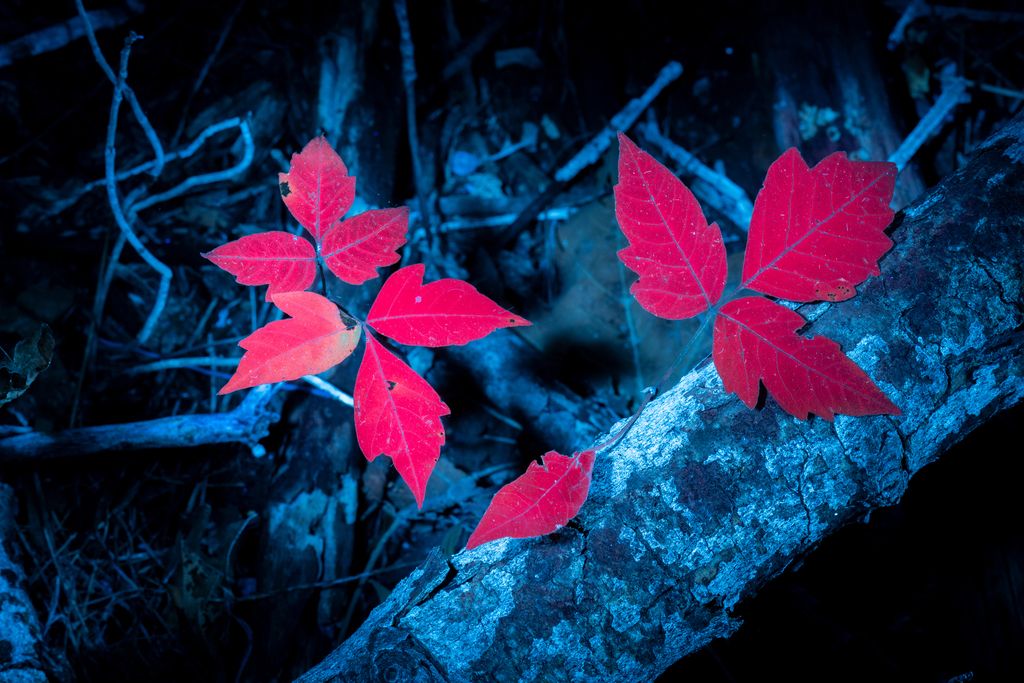
Touch: rash and burn plants
Poison ivy, poison oak and poison sumac carry an oil called urushiol. CDC NIOSH says an amount smaller than a grain of salt causes a rash in most adults, and the oil stays active on tools and clothes for years. Giant hogweed and wild parsnip work differently: their sap makes skin burn and blister when sunlight hits it.
Eat: the deadly ones
Water hemlock and poison hemlock are in the carrot family and look like wild carrots, parsnips and parsley. The survival manual warns that poison hemlock has killed people who mistook it for wild carrot or wild parsnip. Jimsonweed poisons the mind and heart. The manual's rule is simple: do not eat any plant unless you have identified it for certain.
Plant pages
Each page shows the plant, the features that tell it apart, and what to do if someone touches or eats it.
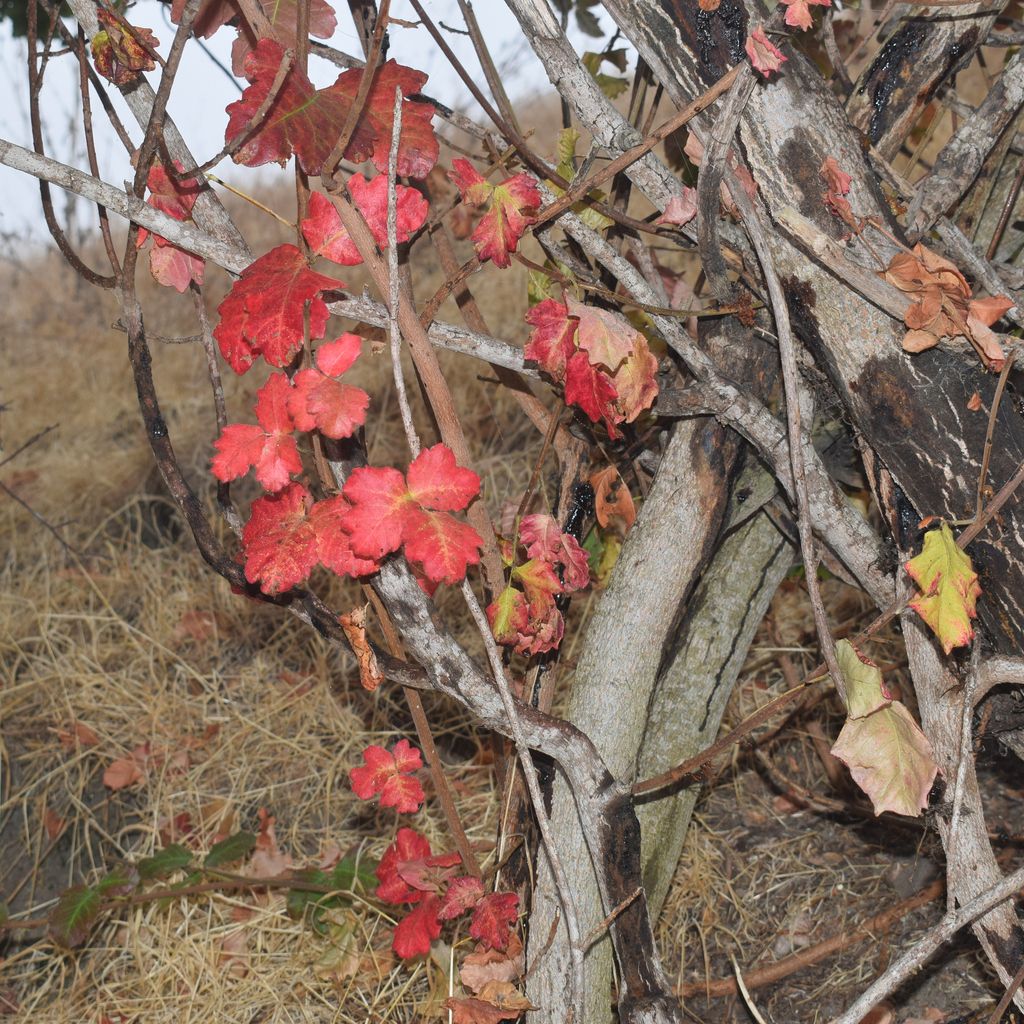
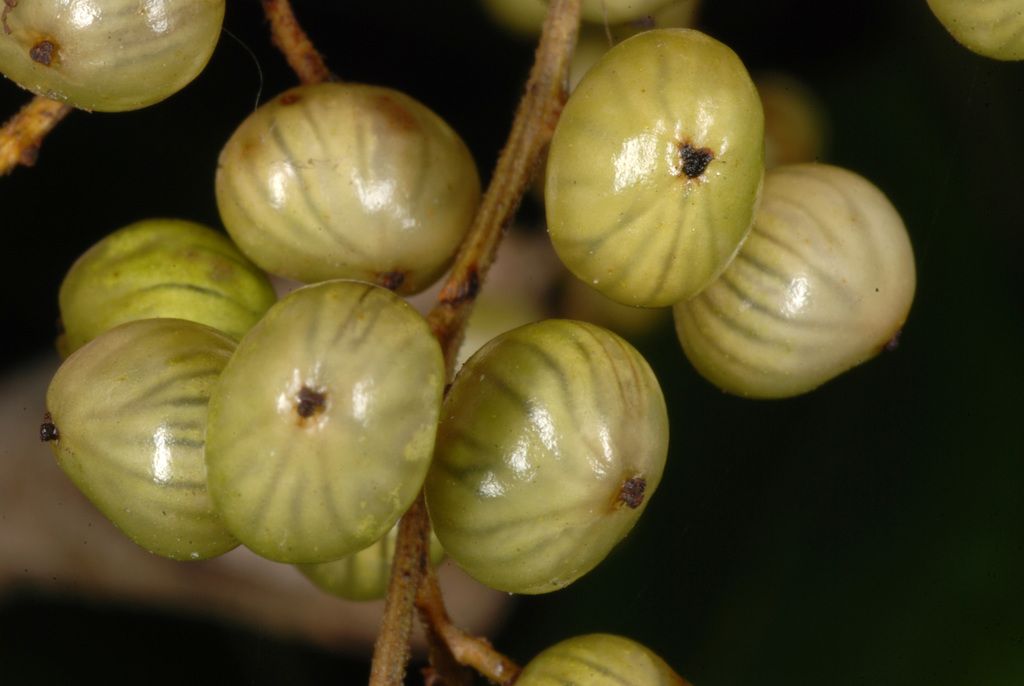
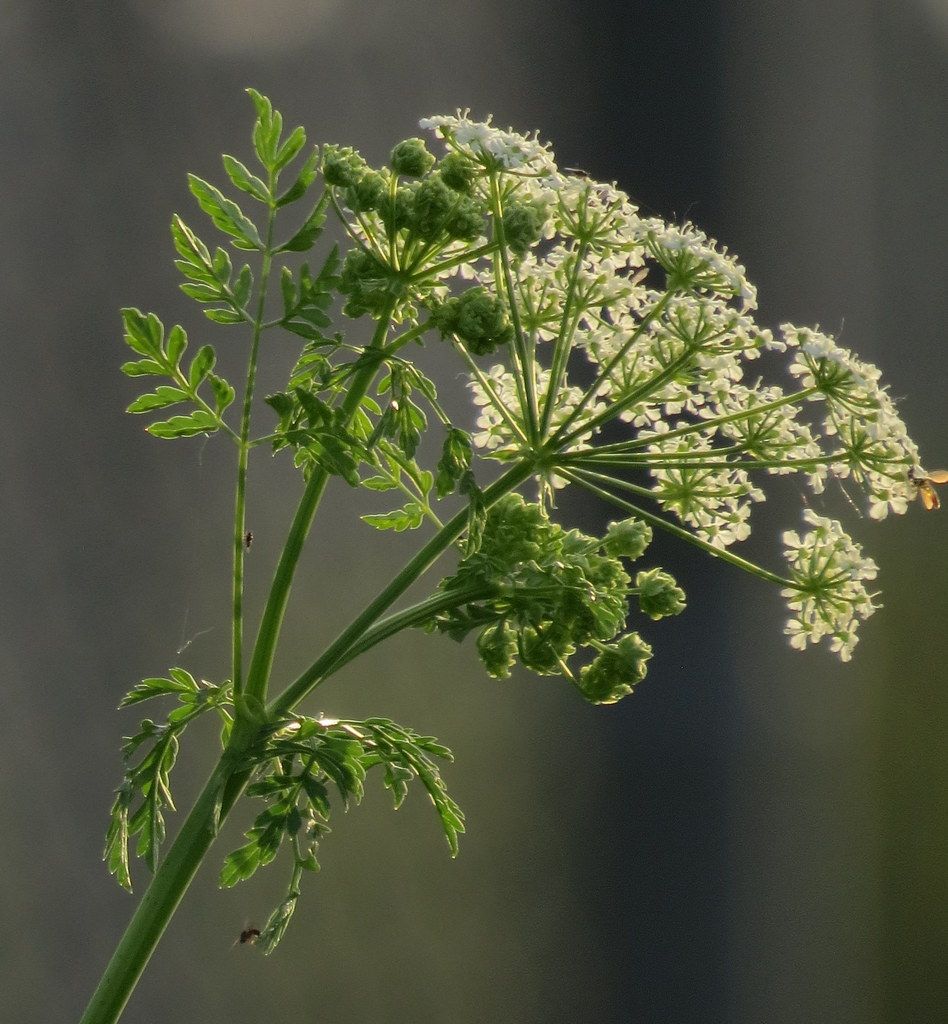
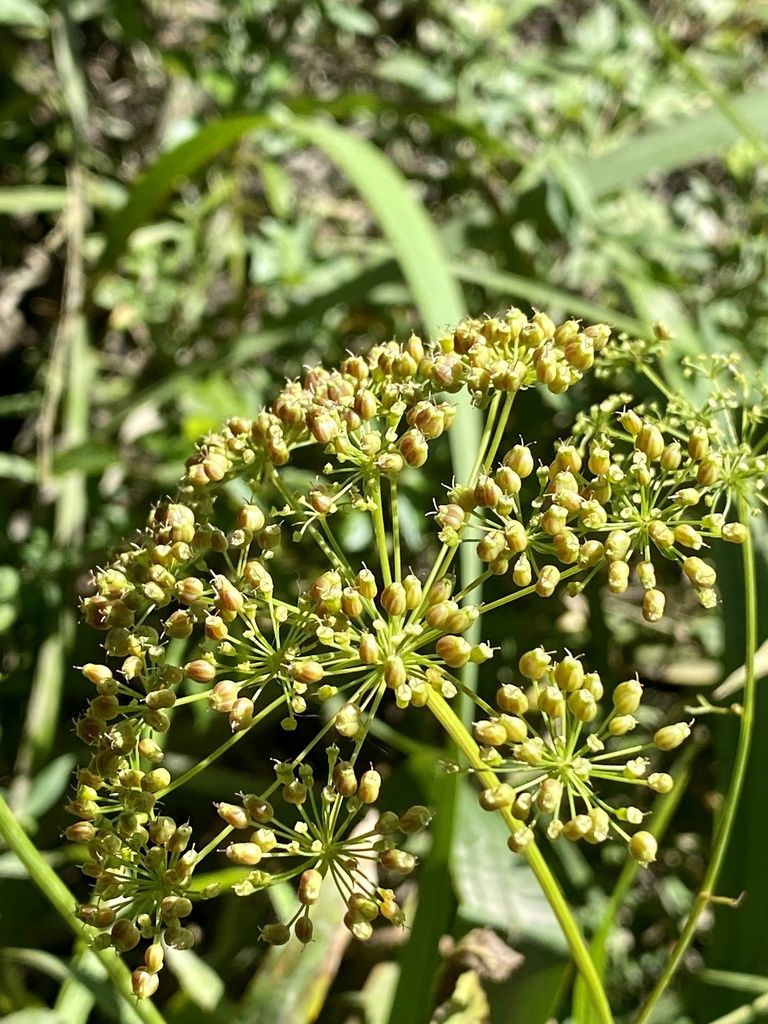
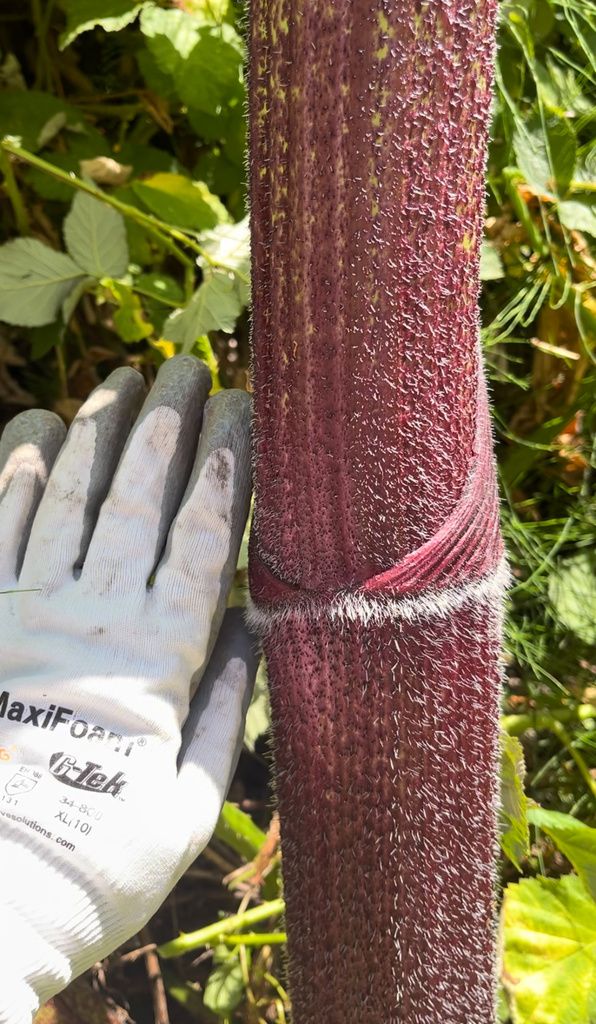
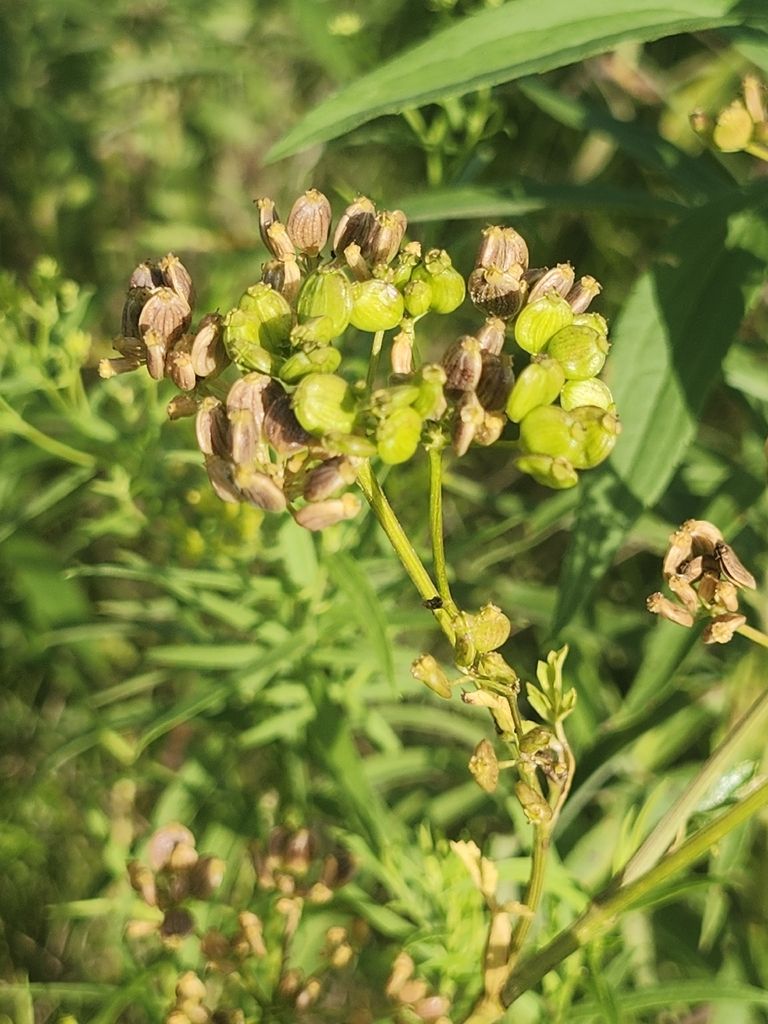
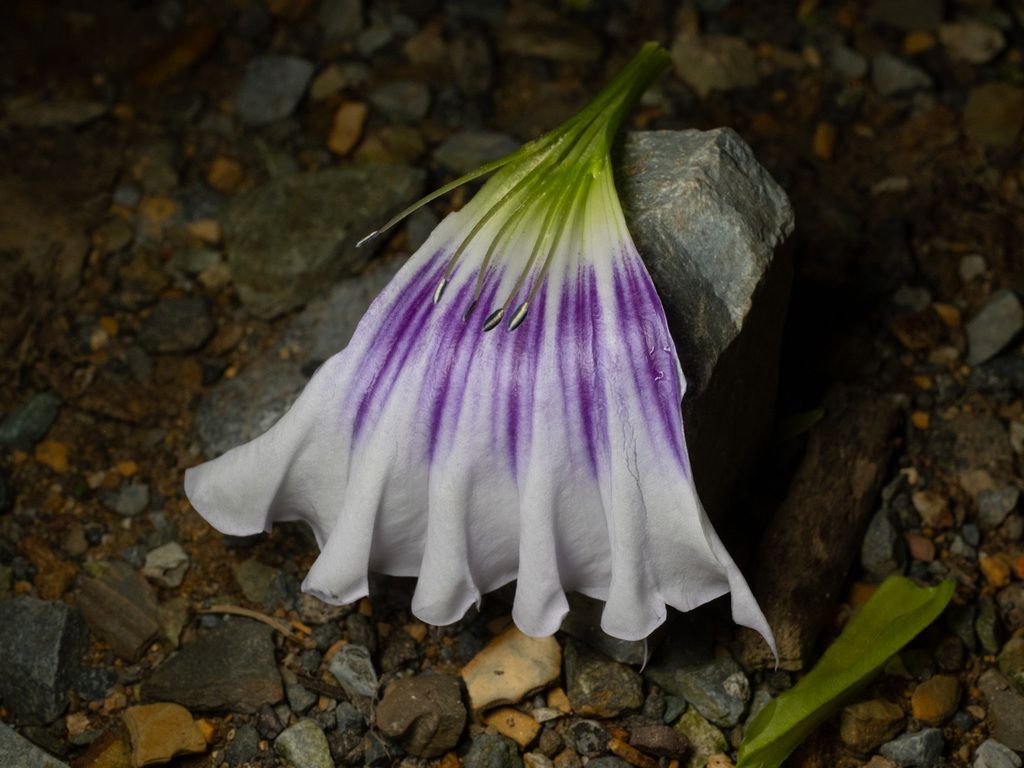
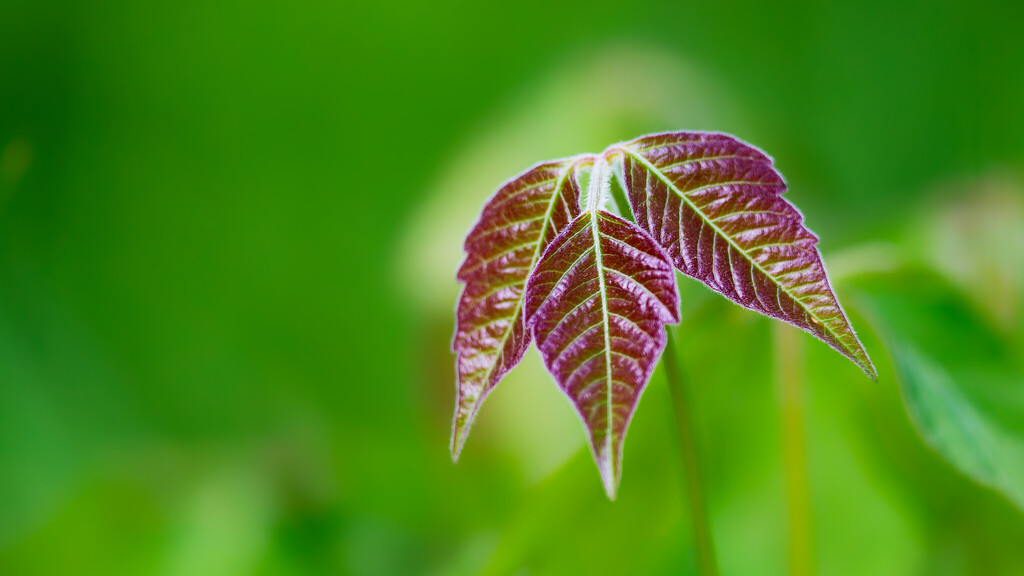
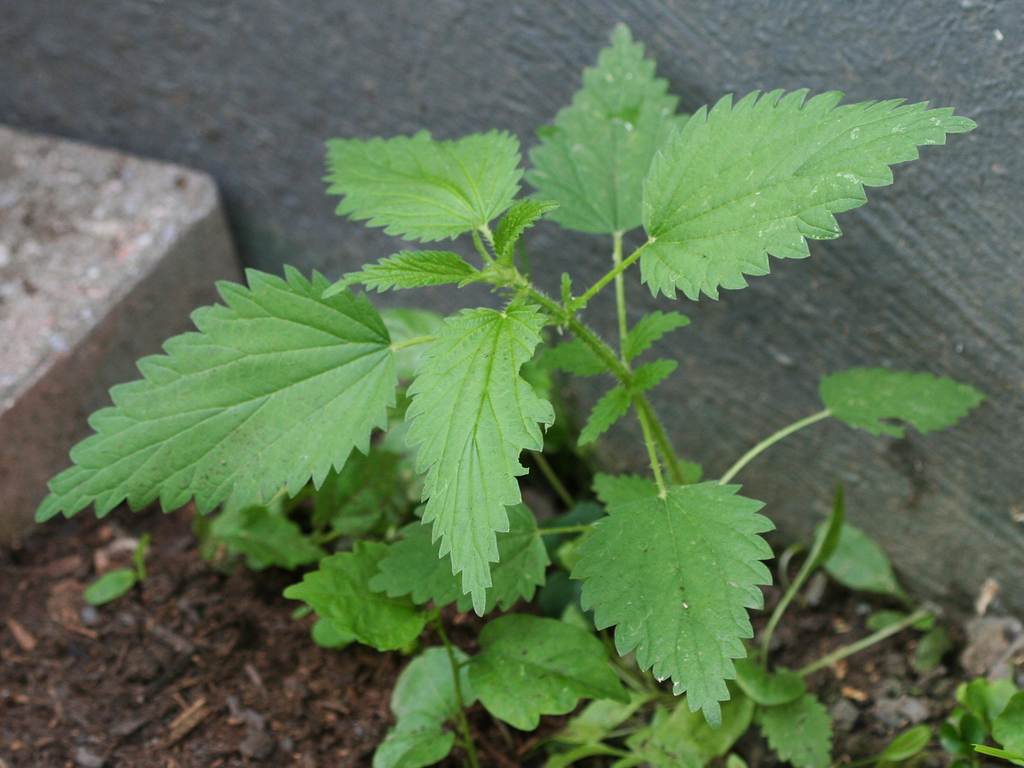
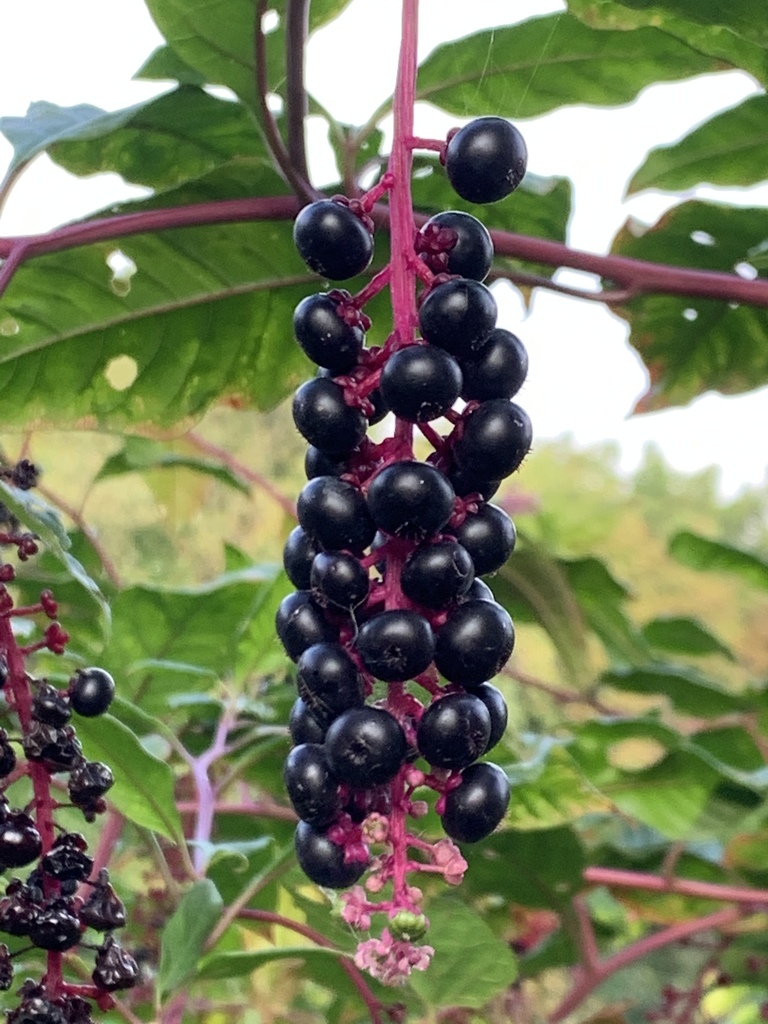
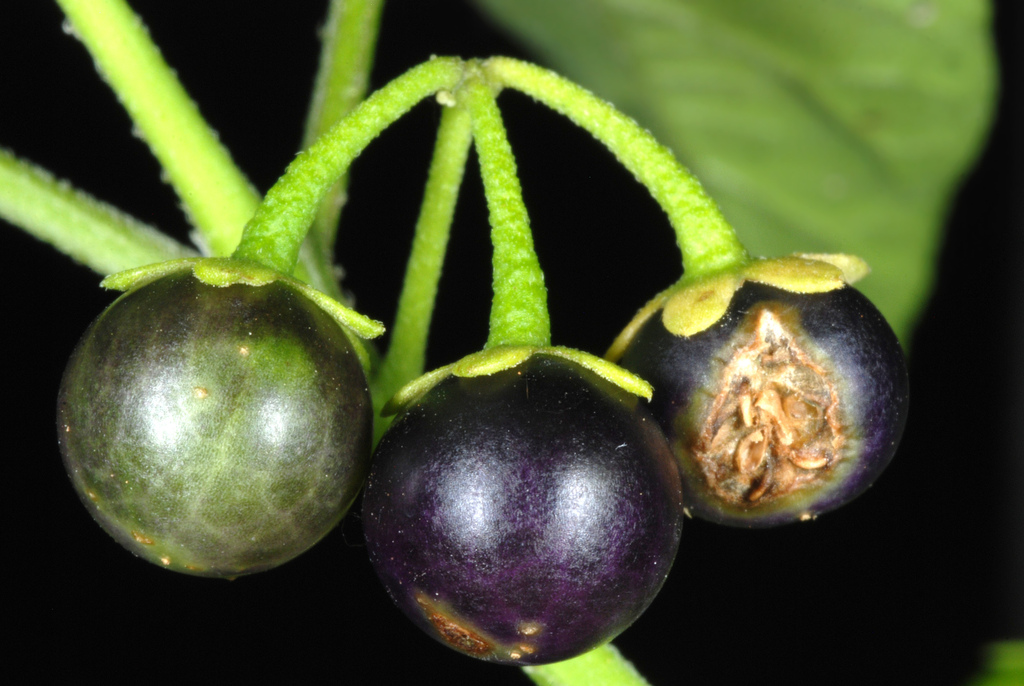
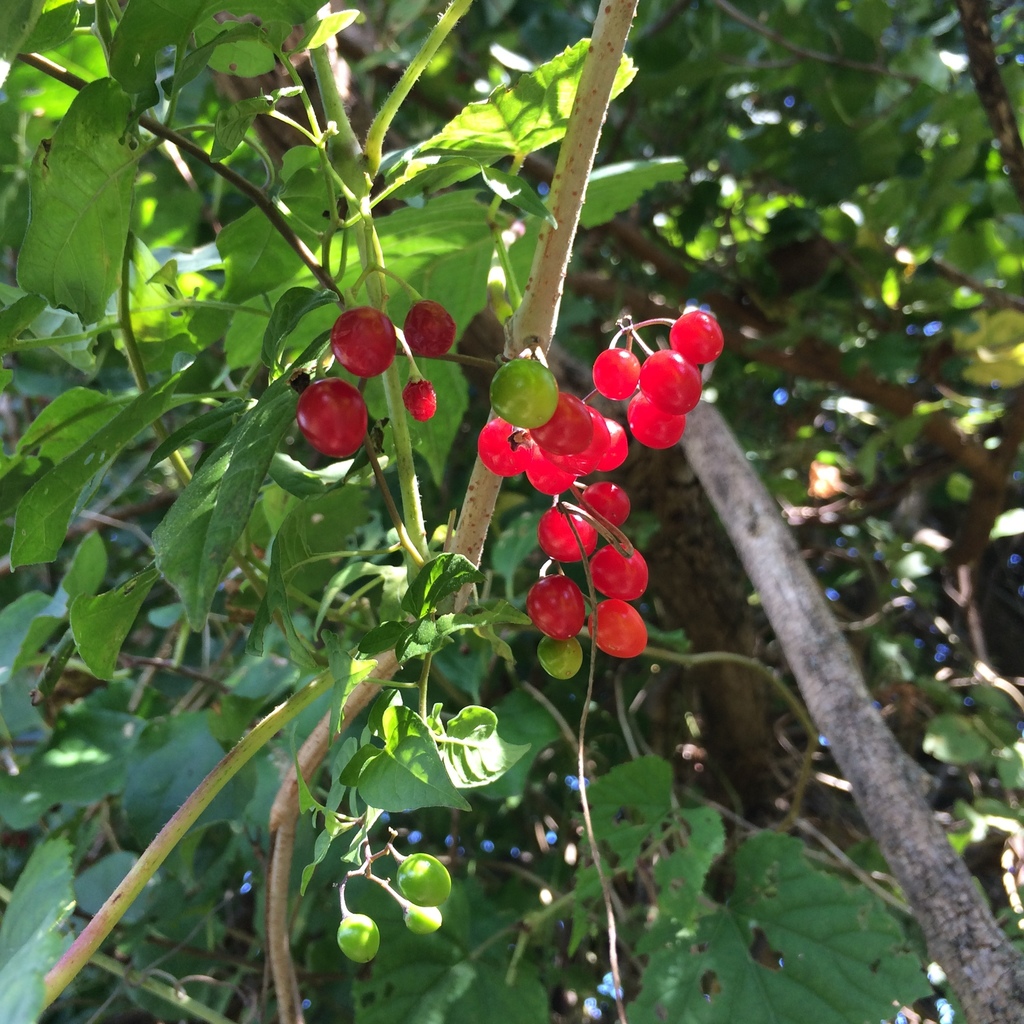
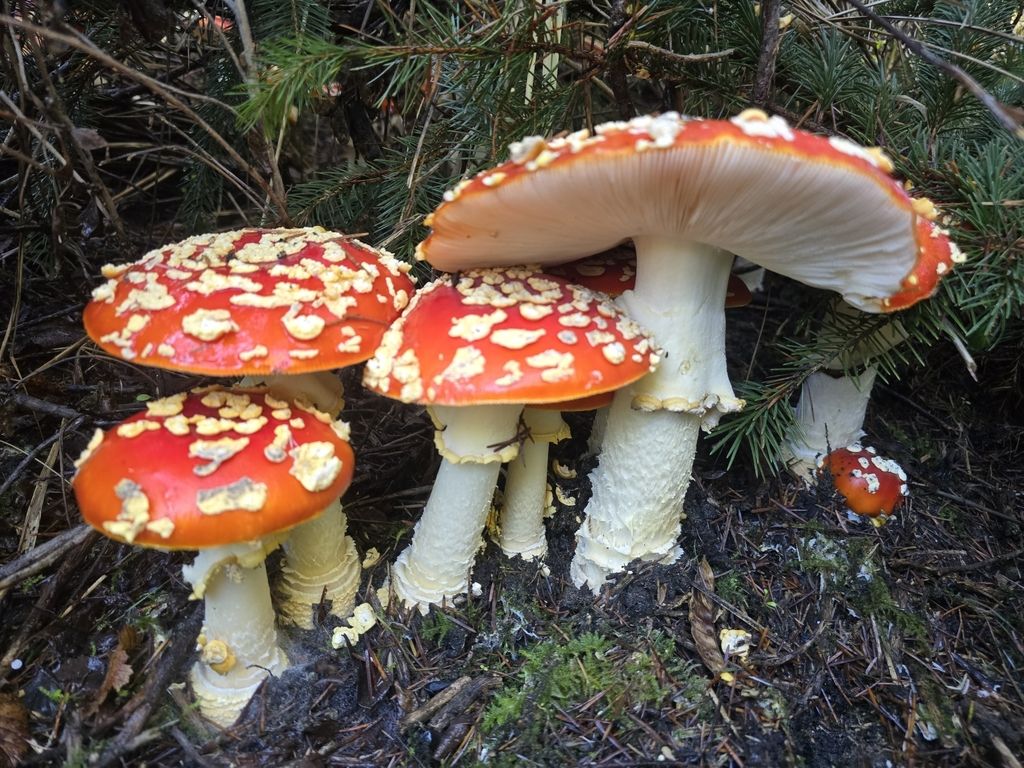
The free app reads your photo, names the likely match, shows its look-alikes, and tells you what has been seen near your ZIP code.
Sources
- US Army Survival Manual, pages 127 and 140
- CDC NIOSH: Poisonous Plants and Work
- US Fish and Wildlife Service: Don't touch these plants!
Written in our own words from these public sources.