Poisonous plant
Stinging nettle: how to spot it and stop the sting
Brush against stinging nettle and your skin burns, itches and rises in small bumps within seconds. It is not dangerous for most people, but it grows thick in the damp, shady places hikers and campers walk through.
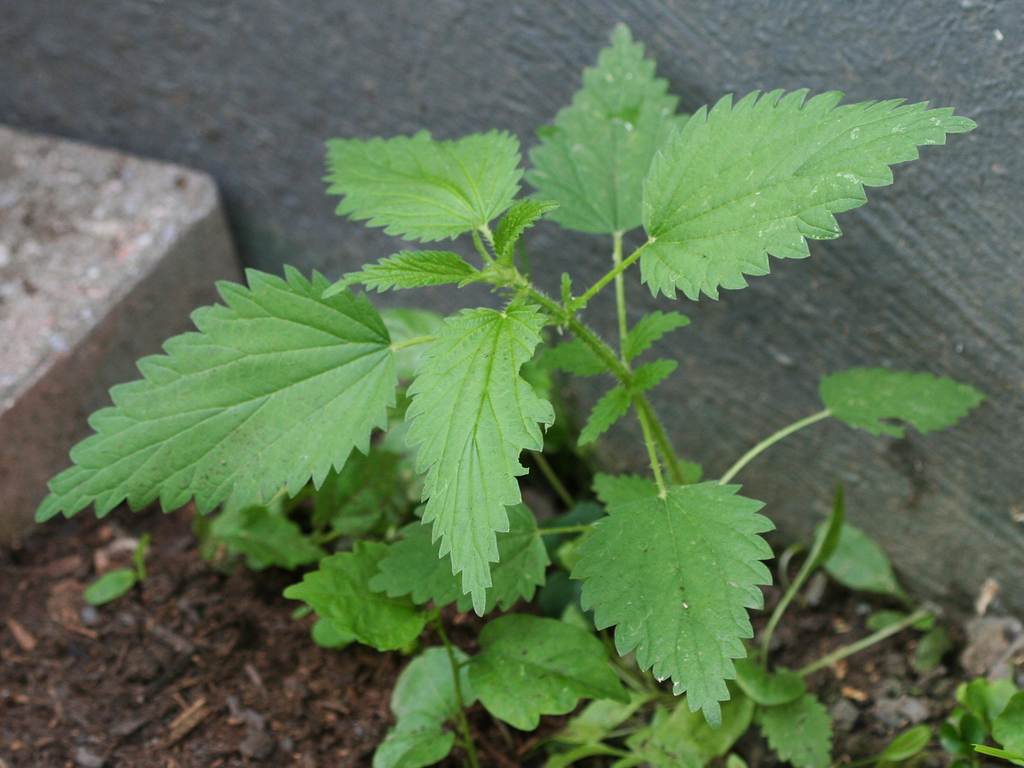
How to tell it
- Upright stems 2 to 6 feet tall, square when you roll one between gloved fingers.
- Leaves in pairs across from each other, heart-shaped to long and pointed, with coarse teeth around the edge.
- Fine, glassy stinging hairs on the stems and the undersides of the leaves.
- Thin, drooping strings of tiny green flowers where the leaves meet the stem.
Where you find it
Across the US in rich, damp soil: stream banks, wet woods, ditches, old barnyards and the edges of fields and trails.
Scientific name: Urtica dioica
Look-alikes
Leaves take turns up the stem instead of growing in pairs. It stings too, so treat it the same.
Also square stems and paired leaves, but small and soft with purple flowers and no stinging hairs.
Square stems and paired leaves, but it smells of mint when crushed and has no stinging hairs.
Why it is dangerous
Each hair works like a tiny needle that breaks off in the skin and injects chemicals that burn and itch. The pain usually fades within an hour, though tingling and bumps can last a day. A large patch of stings on a child, or a sting in someone with bad allergies, needs more care.
What to do
- Do not rub or scratch. That pushes the hairs in deeper.
- Let the area dry, then press sticky tape on the skin and pull it off to lift out the hairs.
- Wash with soap and cool water, then use a cool cloth or an anti-itch cream.
- Get medical care for swelling of the face or throat, trouble breathing, or a rash that spreads or will not fade.
- Wear long pants and gloves when you have to walk or work through a patch.
The free app reads your photo, names the likely match, shows its look-alikes, and tells you what has been seen near your ZIP code.
Sources
Written in our own words from these public sources.