Guide
Poisonous berries: the common ones and the one rule that keeps you safe
Many of the brightest, most tempting berries in US yards and woods are poisonous. Children are the ones most often poisoned. Color alone will not tell you, so learn the common ones and keep to one rule: never eat a wild berry you cannot name for certain.
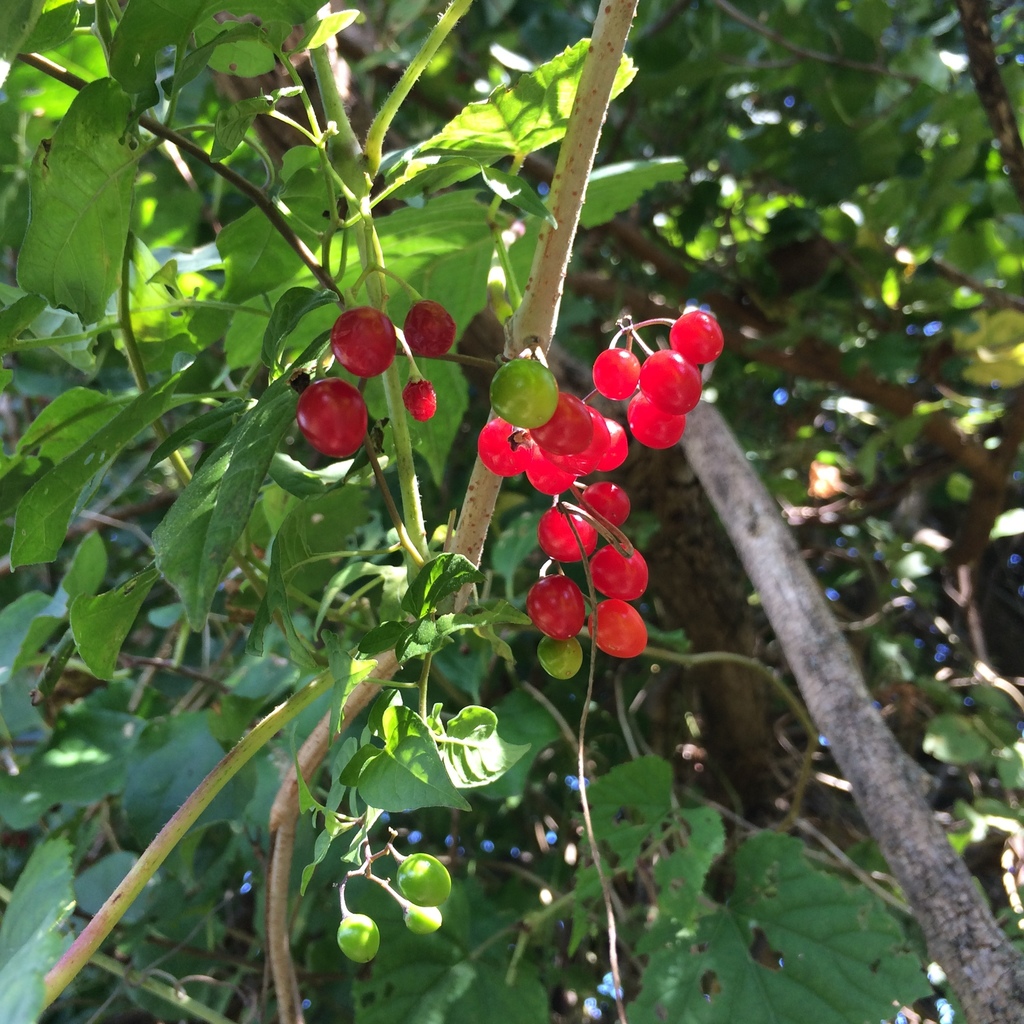
Common poisonous berries in the US
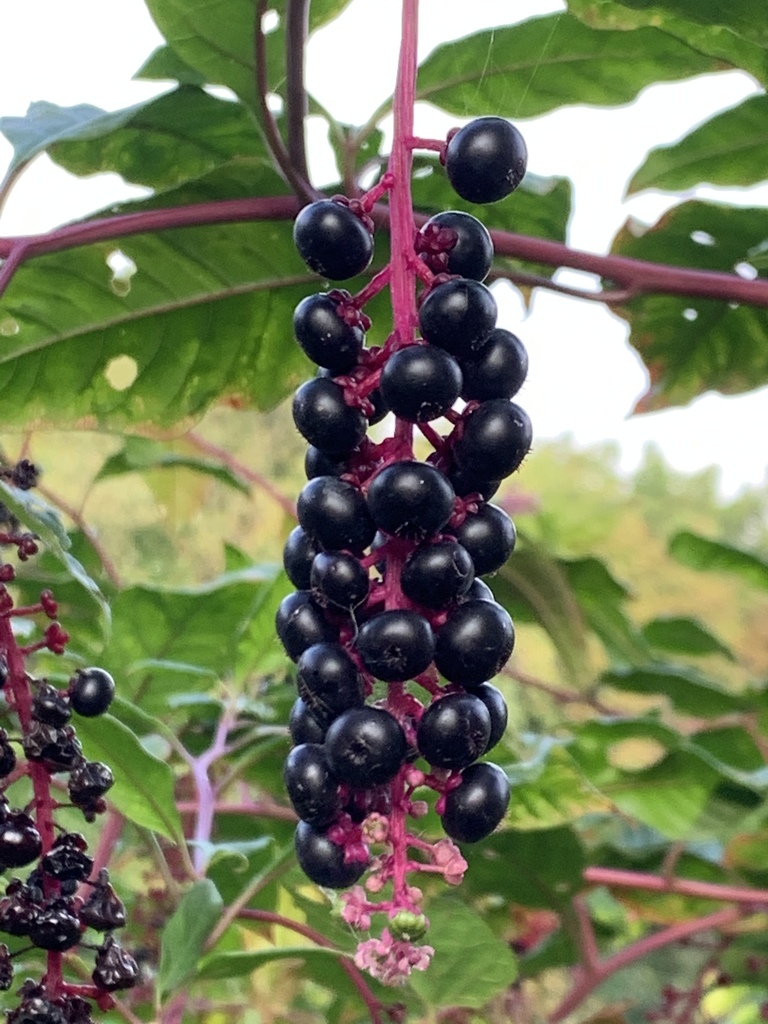
- Pokeweed: dark purple berries hanging in long clusters from tall plants with pink to red stems.
- Bittersweet nightshade: a climbing vine with purple star-shaped flowers and berries that turn from green to orange to shiny red.
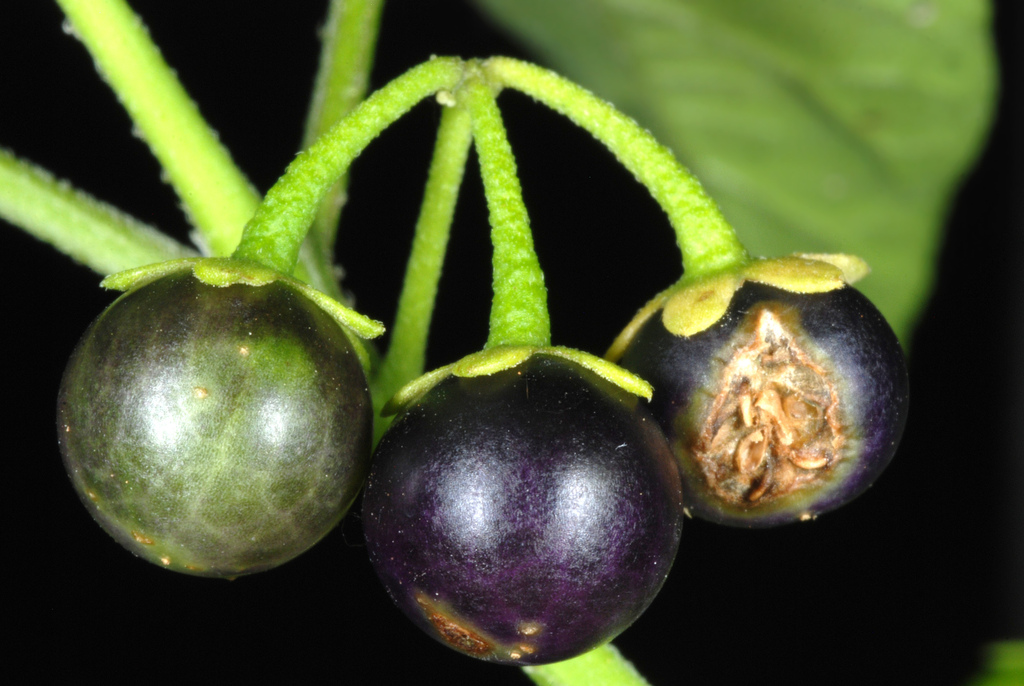
- Black nightshade: small white star flowers and clusters of green berries that turn dull or shiny black.
- Holly: bright red berries on stiff, often spiny evergreen leaves.
- Yew: a single red, cup-shaped berry with a dark seed showing at the open end. The seed and the needles are deadly.
- Doll's eyes (white baneberry): white berries, each with a black dot, on thick red stalks.
- Moonseed: looks like wild grapes, but each berry holds one flat, crescent-shaped seed.
If someone eats a berry
Call Poison Help at 1-800-222-1222 right away, even if the person feels fine. Have the plant or a clear photo of it with you. Call 911 if the person has trouble breathing, a seizure, or will not wake up. Do not make them vomit unless the poison center tells you to.
Berry pages
Each page shows the plant in fruit, its look-alikes and what to do.
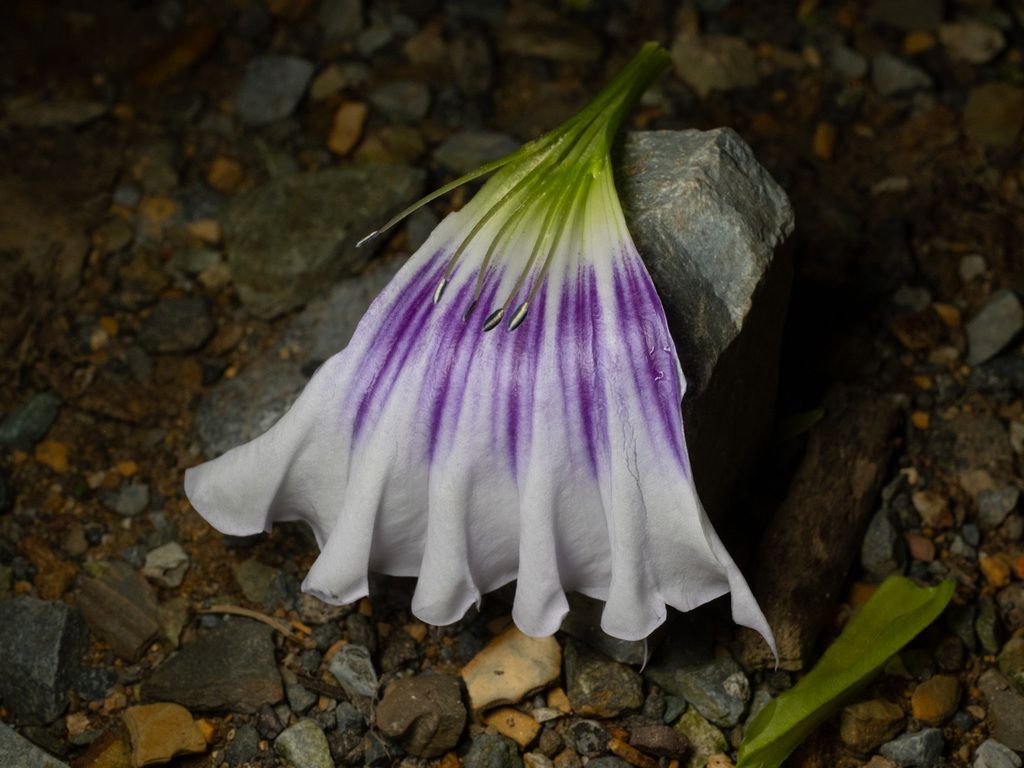
The free app reads your photo, names the likely match, shows its look-alikes, and tells you what has been seen near your ZIP code.
Sources
- NC State Extension Plant Toolbox: Bittersweet nightshade
- NC State Extension Plant Toolbox: Pokeweed
- US Army Survival Manual, page 127
Written in our own words from these public sources.