Guide
Animal tracks: how to tell who walked here
A track tells you what passed, which way it went, and often how long ago. Five quick checks sort out most prints you will find in mud, sand or snow.
Before you rely on thisNever eat a wild plant or mushroom unless you are 100% sure what it is; many deadly ones look like safe ones. This page helps you avoid it, not eat it. Poison Help line (free, all day, every day): 1-800-222-1222. If someone stops breathing, has a seizure or passes out, call 911.A learning tool, not a replacement for training. In an emergency, call 911.
The five checks
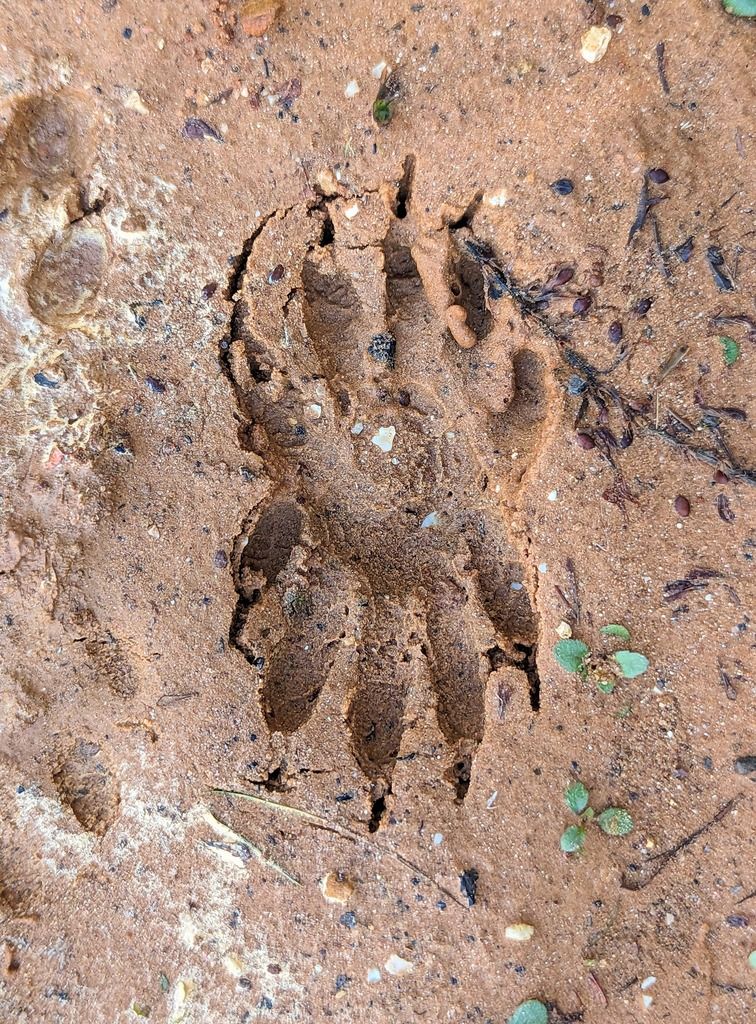
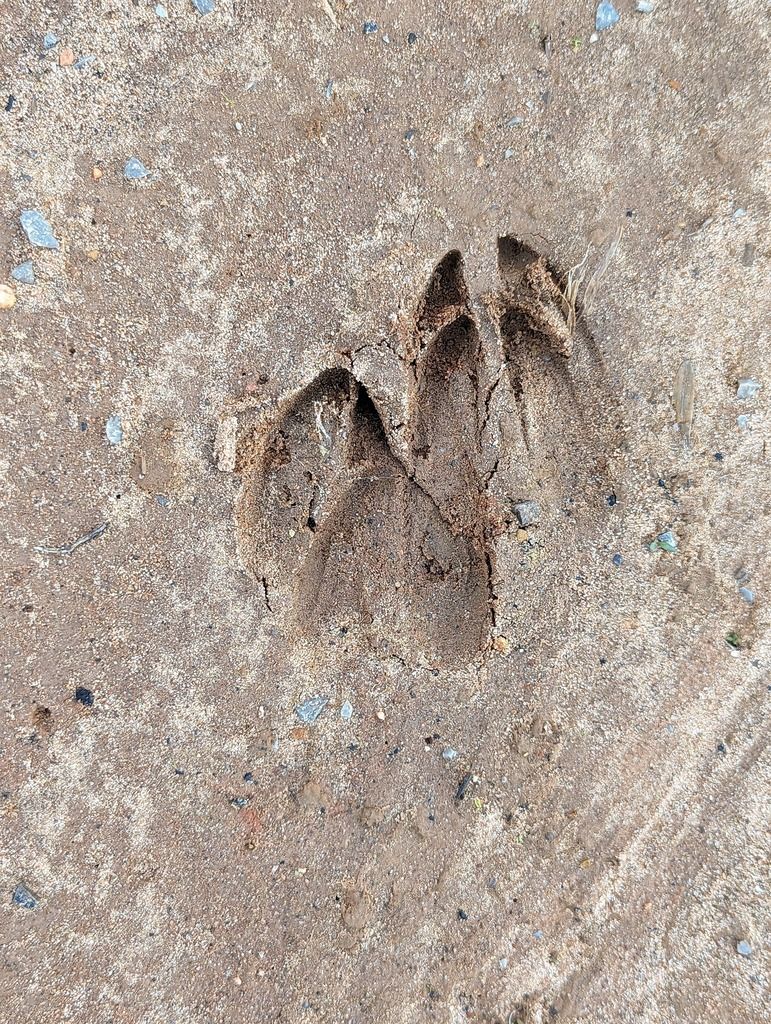
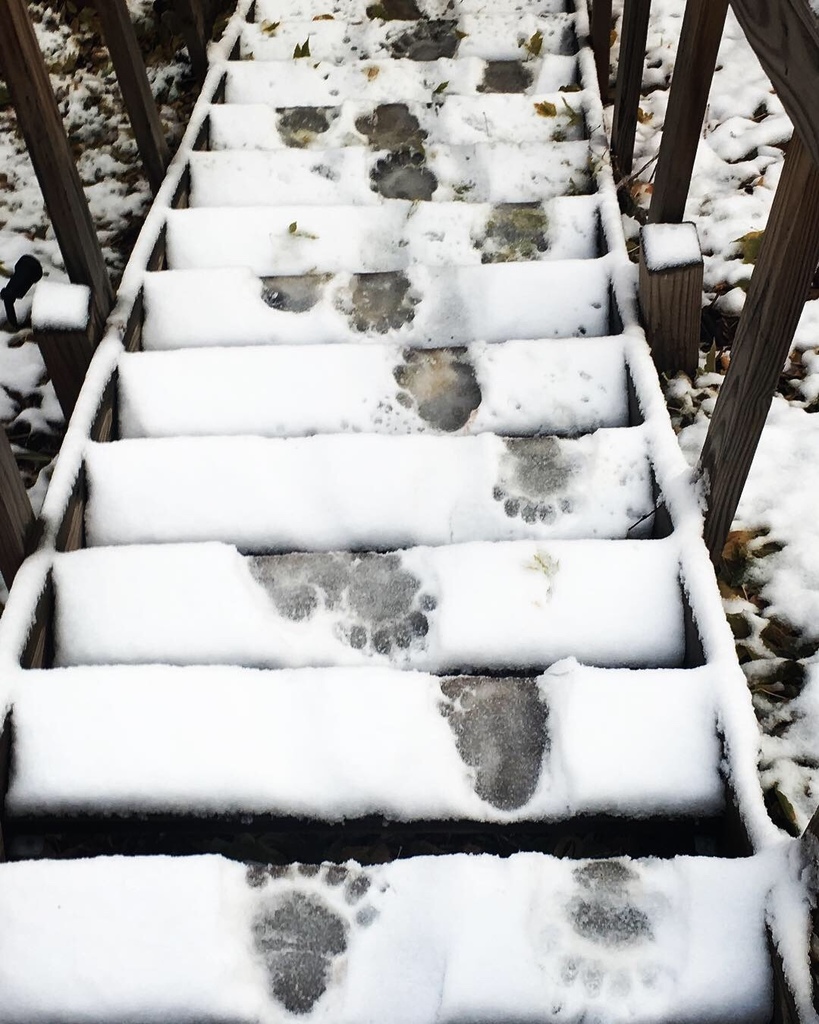
- Count the toes. Deer and other hoofed animals leave two pointed toes. Dogs, coyotes, foxes and cats leave four. Raccoons, opossums, bears and beavers leave five.
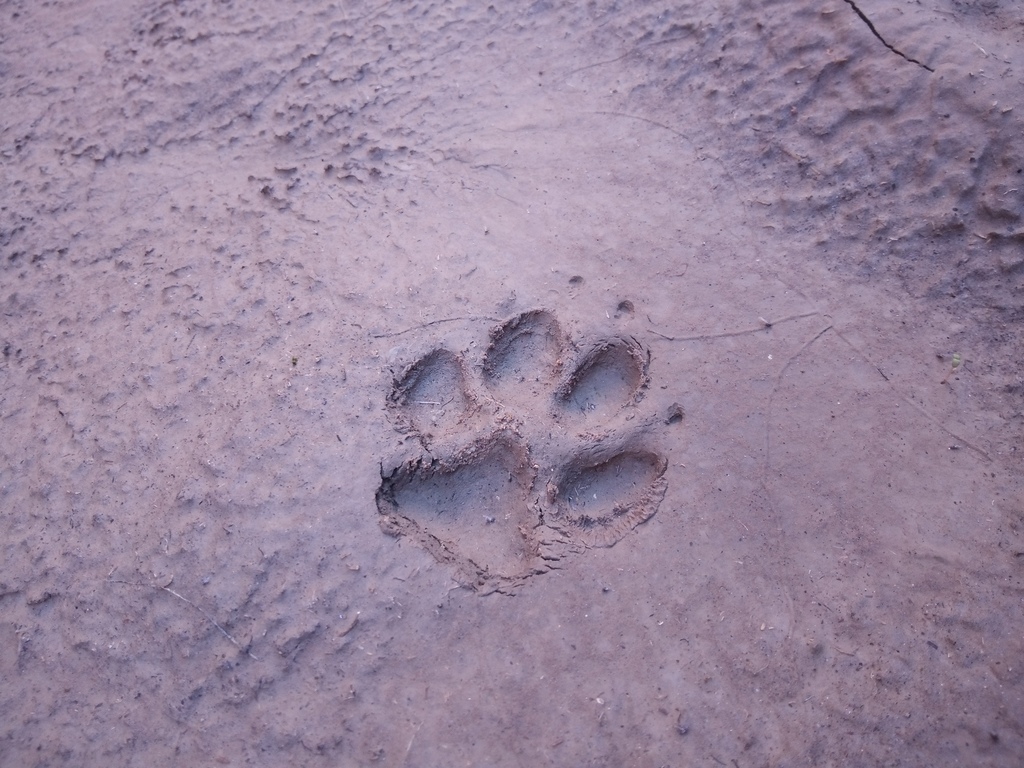
- Look for claw marks. Dogs, coyotes and foxes show small claw dots in front of the toes. Cats pull their claws in, so bobcat and house cat prints are usually clawless and rounder.
- Measure it. A ruler or a dollar bill (just over 6 inches long) beside the print beats a guess, and a photo with something for size is far easier to check later.
- Read the pattern, not one print. Rabbits land with the big back feet ahead of the small front ones. Deer walk in a near straight line. Raccoons show a hand-like print beside a foot-like one.
- Check the edges. Crisp edges and sharp details mean fresh. Rounded, crumbled or rained-in edges mean hours or days old.
Why it matters
The US Army survival manual tells you to look for runs and trails, tracks and droppings to learn which animals live in an area. Trails that many animals share often lead to water and feeding spots. A fresh line of large prints is also a good reason to make noise, keep food packed, and give the animal room.
Track pages
Start with the most searched track in the US, then use the photo tool in the app for anything else.
Deer tracks
Bear tracks
Coyote tracks
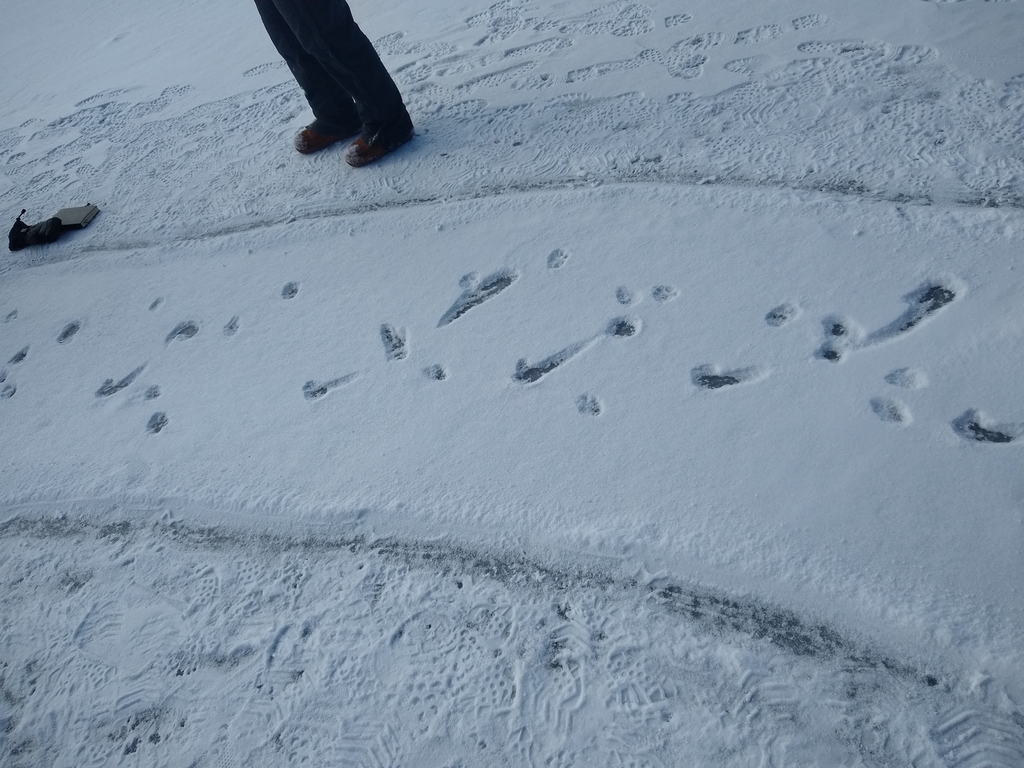
Fox tracks
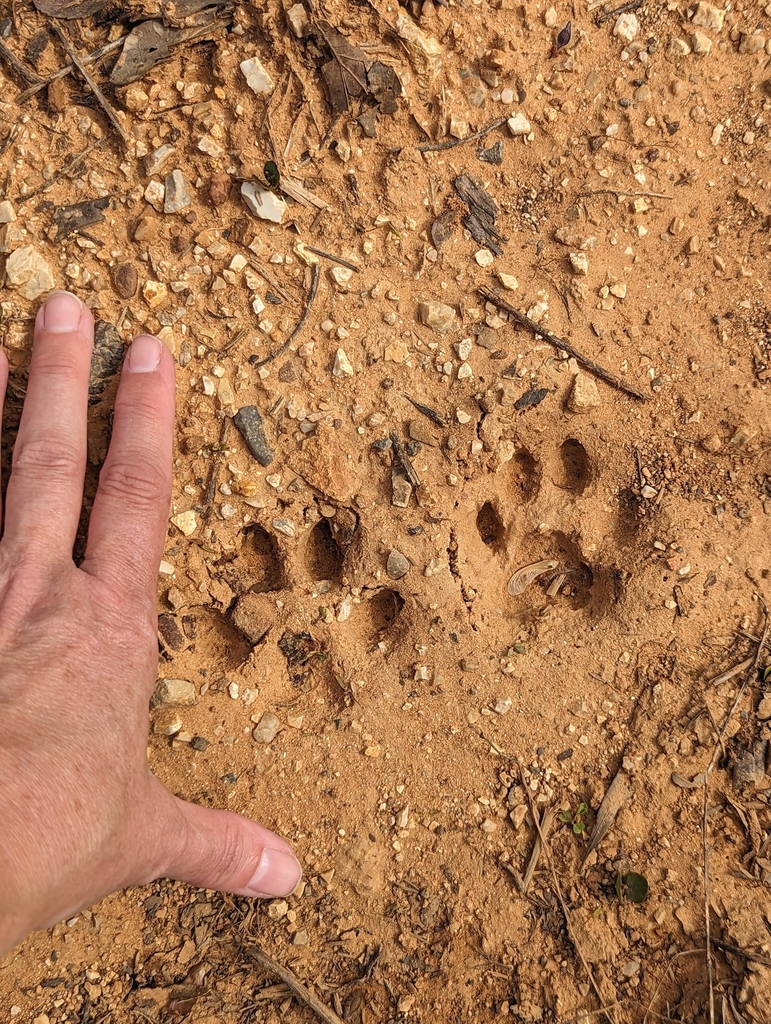
Bobcat tracks
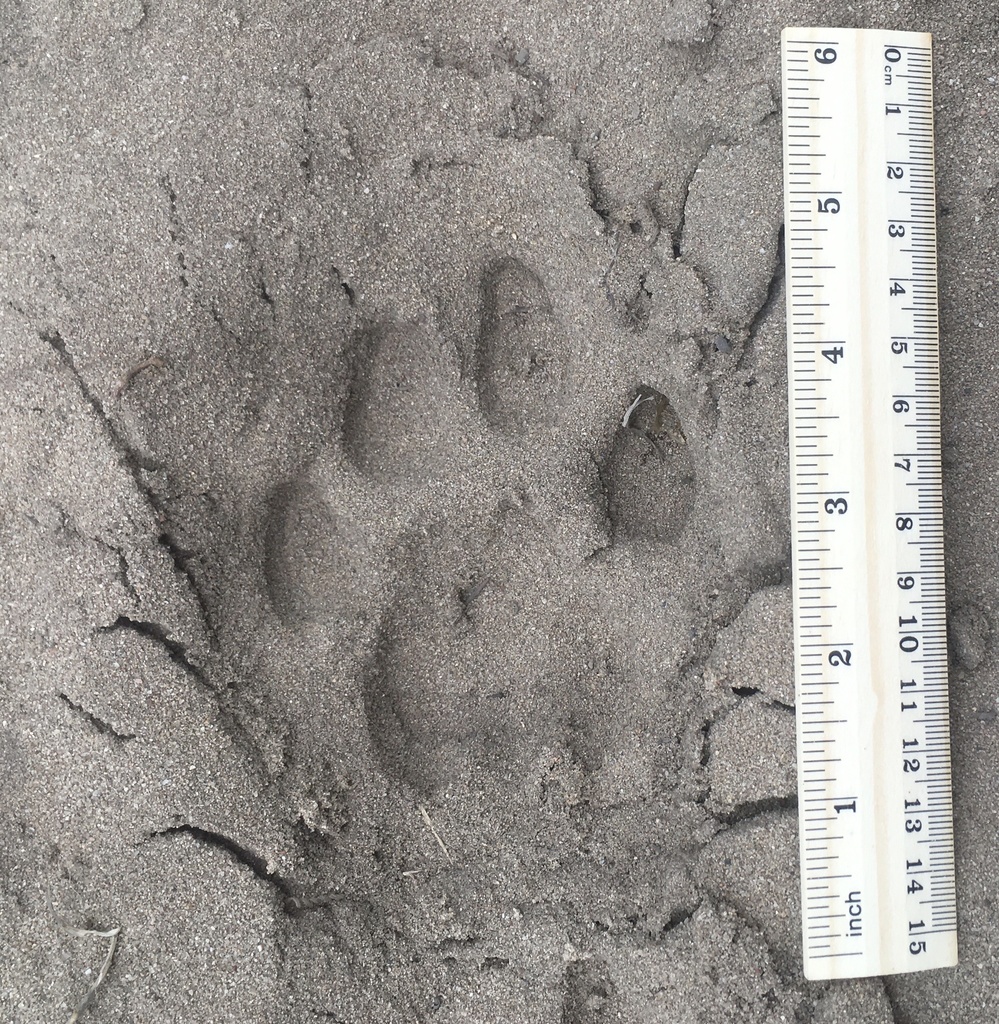
Mountain lion tracks
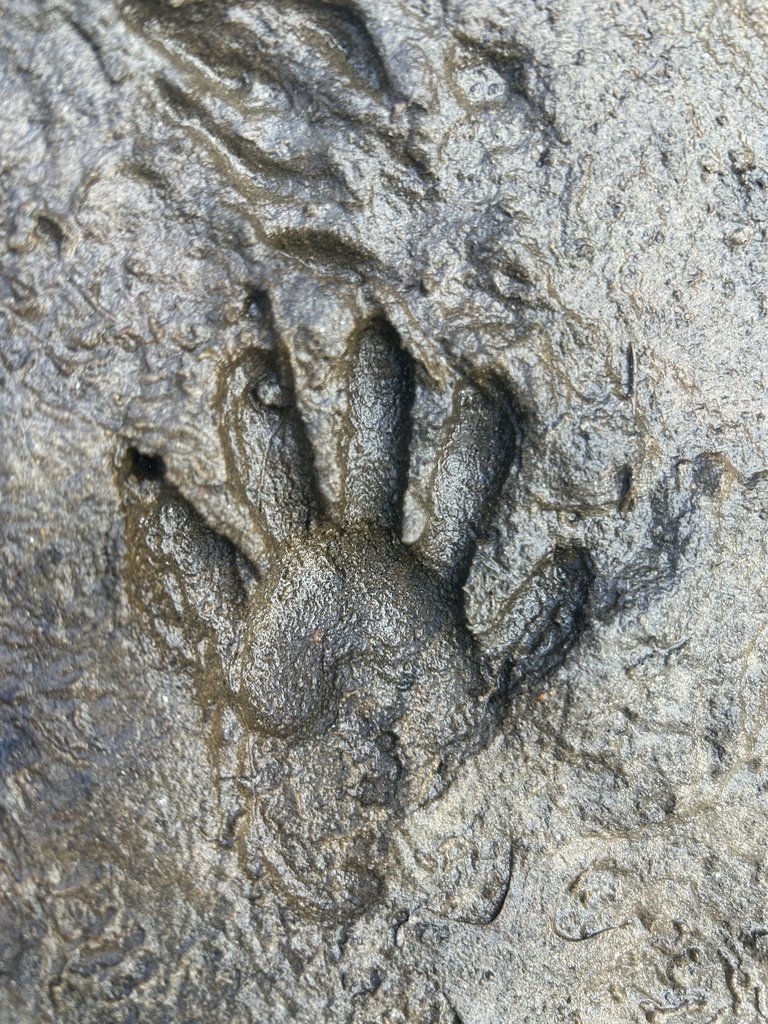
Raccoon tracks
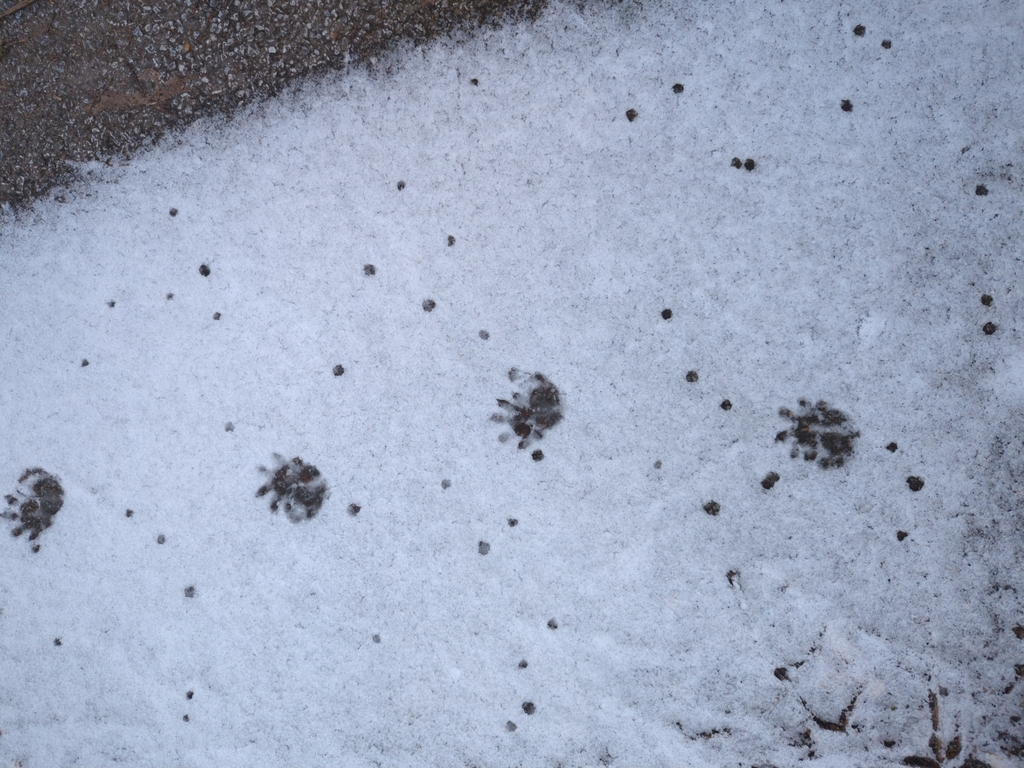
Opossum tracks
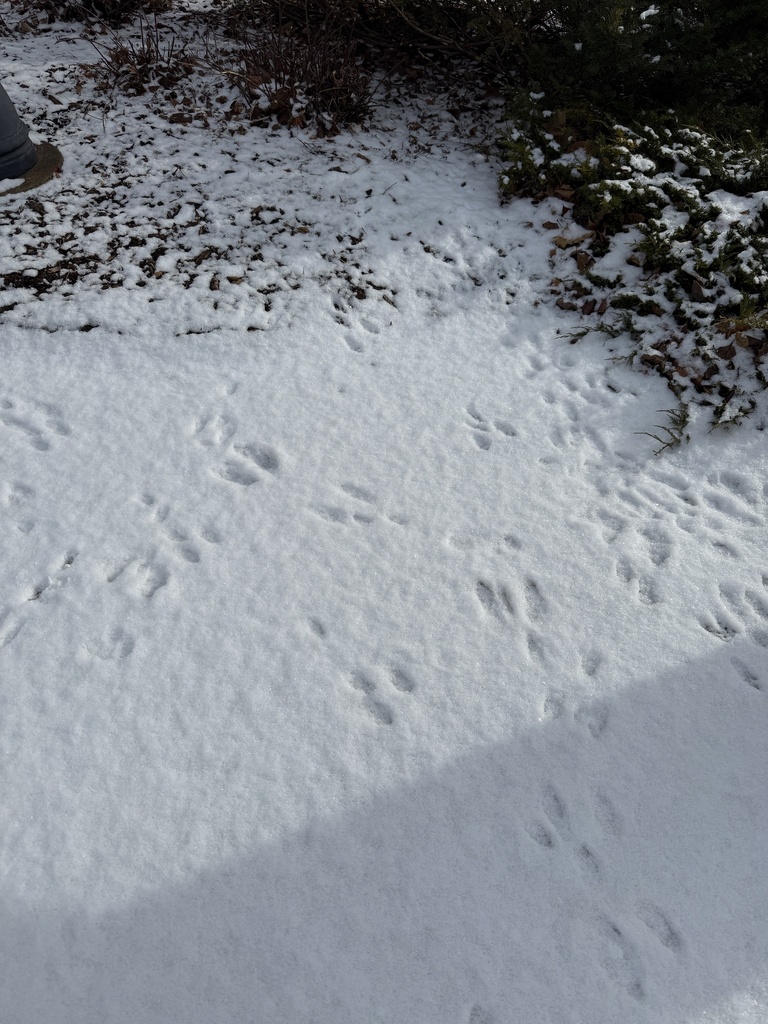
Rabbit tracks
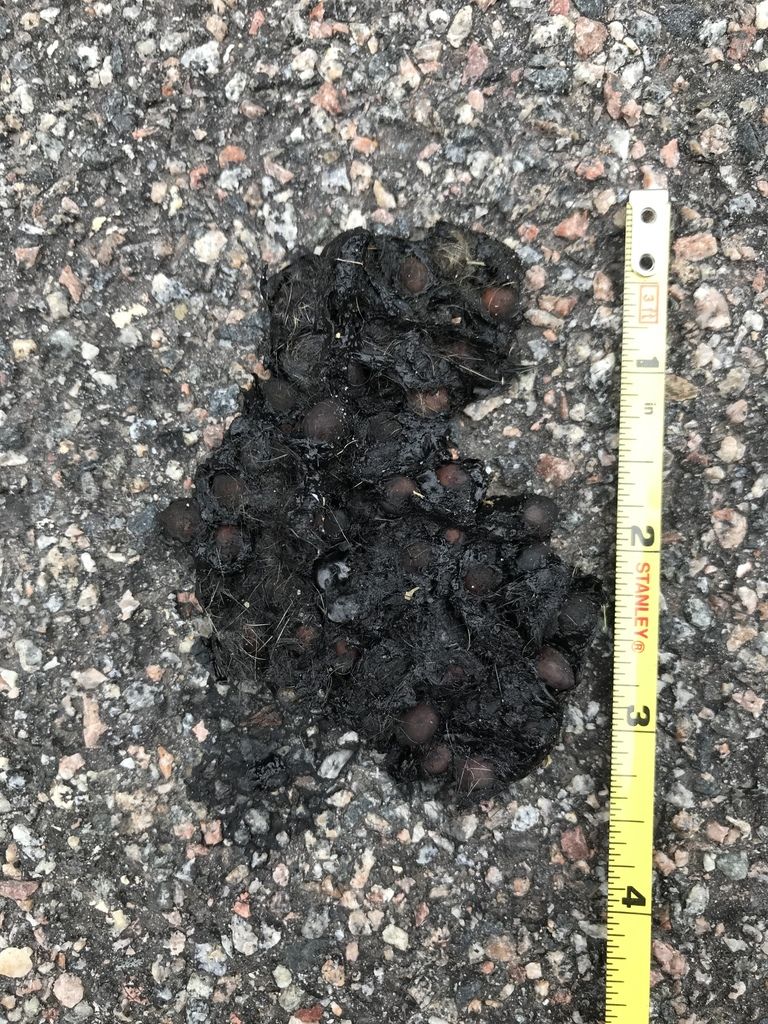
Animal poop identification
Found one? Check it with a photo
The free app reads your photo, names the likely match, shows its look-alikes, and tells you what has been seen near your ZIP code.
Sources
Written in our own words from these public sources.
Photo credits
Photo: iNaturalist observer, CC0, source