Animal sign
Deer tracks: how to read heart-shaped hoof prints
Deer leave the most common big-animal tracks in the US: a split, heart-shaped print made by two hoof halves. Learn to read them and you can tell size, direction, speed and where the deer were heading.
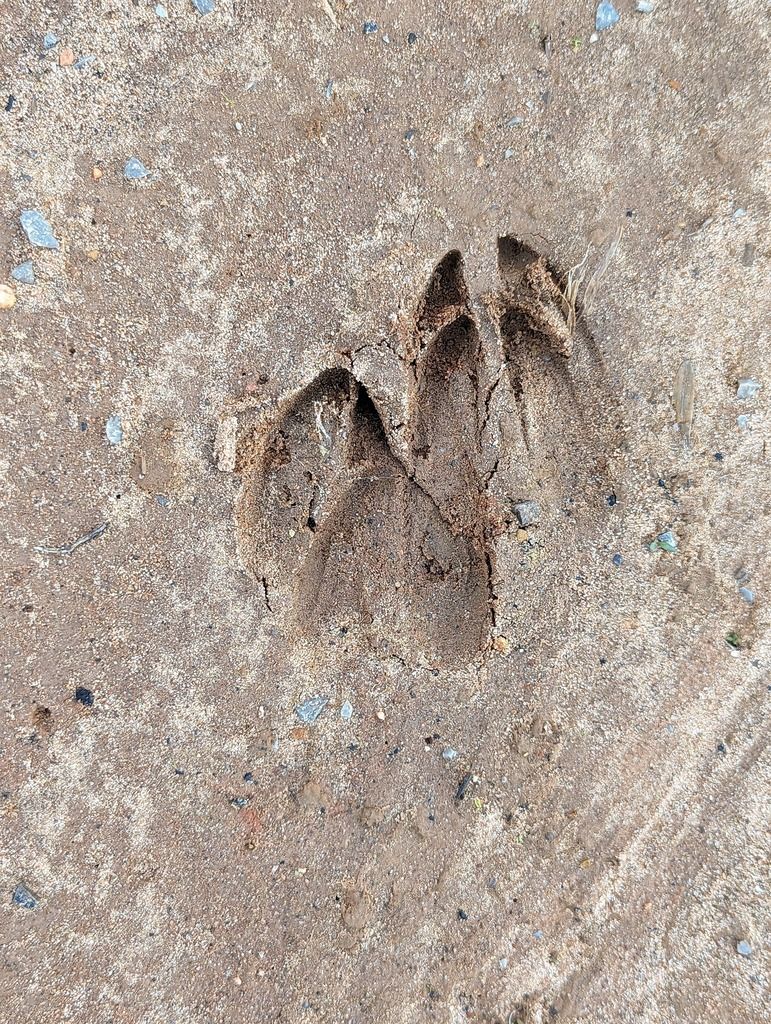
How to tell it
- Two long, pointed toes side by side, forming an upside-down heart. The pointed end shows the direction of travel.
- Adult white-tailed deer prints are usually about 2 to 3.5 inches long; fawns leave tiny versions.
- Two small dots behind the main print are dewclaws. They show in soft mud or snow, or when the deer was running.
- Walking deer often step the back foot right into the front print, so tracks run in a near straight line.
Where you find it
White-tailed deer live in nearly every state; mule deer live in the West. Look in mud by creeks, sandy trails, field edges and fresh snow.
Scientific name: Odocoileus virginianus and O. hemionus
Look-alikes
Rounder toe tips and dewclaws set wider apart than the hoof, so they show outside the print.
Similar shape but much bigger and rounder, usually over 4 inches long.
Straighter, more blocky toe edges. Usually near farms.
What it tells you
The survival manual tells you to look for runs, trails and tracks to learn what lives in an area. Deer trails link bedding cover, feeding spots and water, so a well-used trail heading downhill often leads to a creek or pond. Many prints in snow or mud also mean ticks are likely: check yourself after walking through deer cover.
What to do
- Photograph the print with a ruler or dollar bill beside it.
- Follow the pointed ends to see where the trail goes, but stay on public land and paths you are allowed to use.
- In hunting season, wear bright orange in the woods and stay on marked trails.
The free app reads your photo, names the likely match, shows its look-alikes, and tells you what has been seen near your ZIP code.
Sources
Written in our own words from these public sources.