Guide
Animal poop identification: what left this?
Droppings (trackers call them scat) are often easier to find than tracks. Shape, size, what is inside it and where it was left narrow it down fast. Look with your eyes and a stick, never your hands.
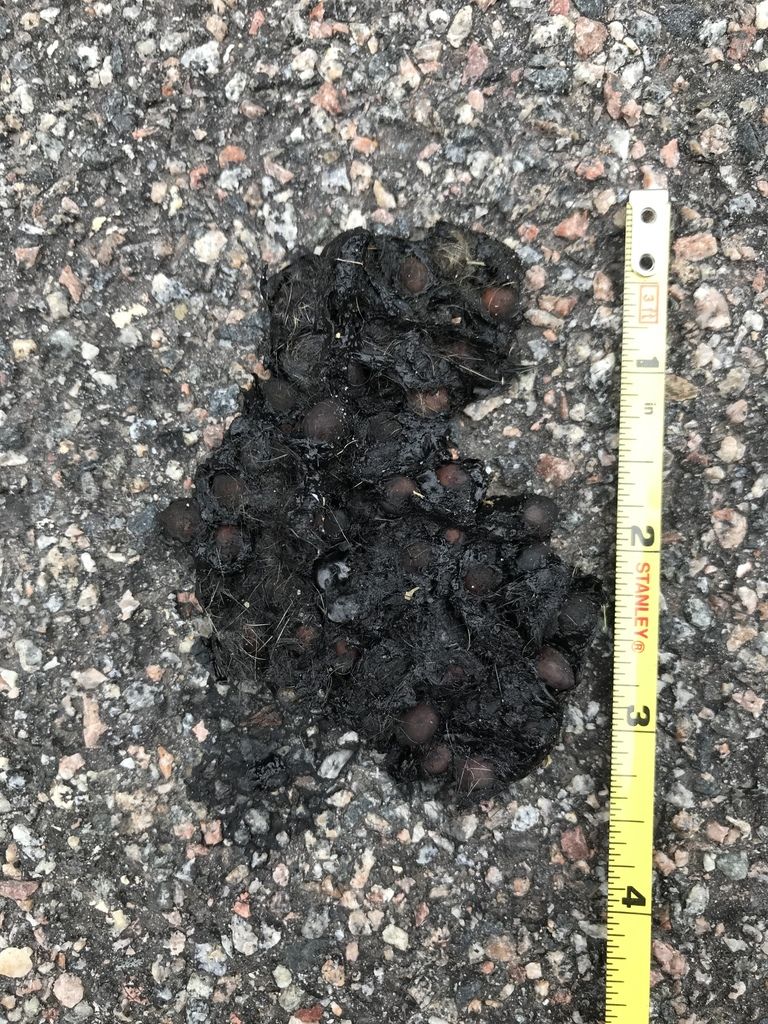
Read it in four steps
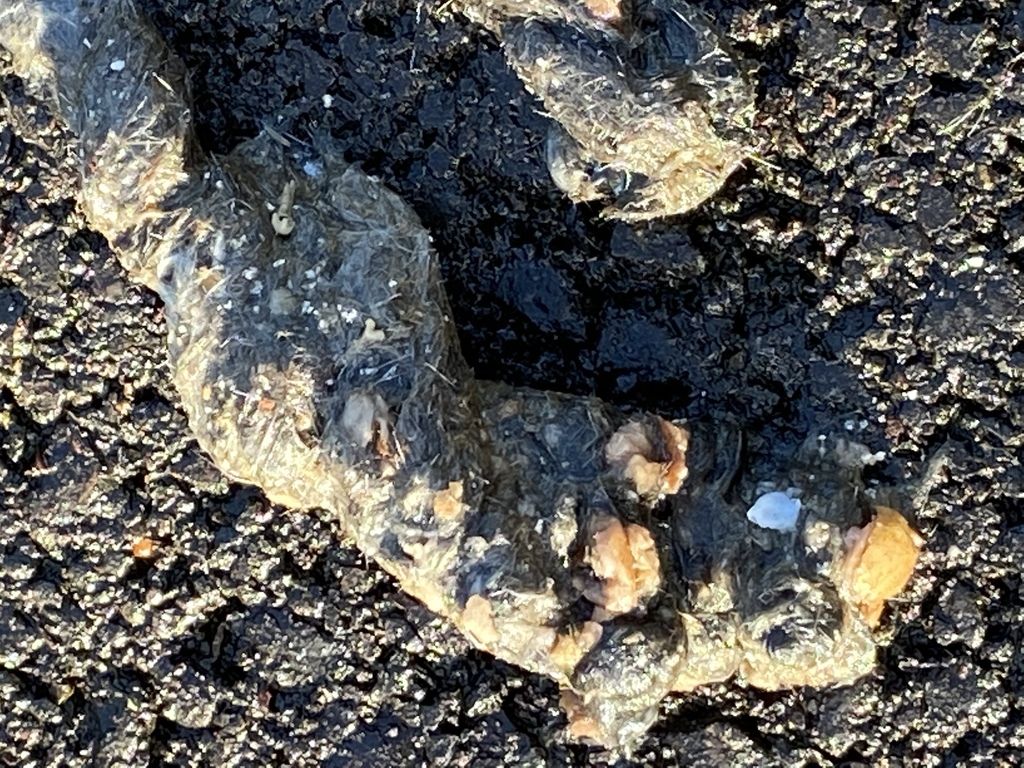
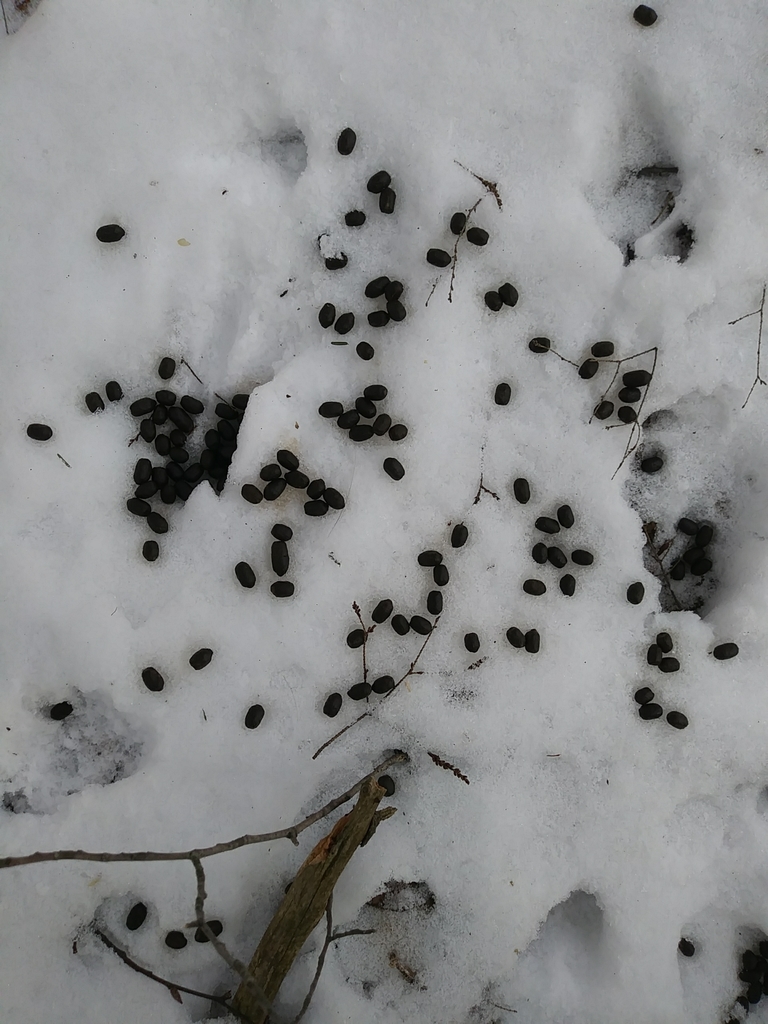
- Shape: tiny hard pellets (rabbit, deer, mouse), ropes with twisted, tapered ends (coyote, fox), blunt tubes (raccoon, bear), or tight segments (bobcat).
- Size: grains of rice point to mice. Pea-size round balls point to rabbits. Thick piles you could not cover with your palm point to bear.
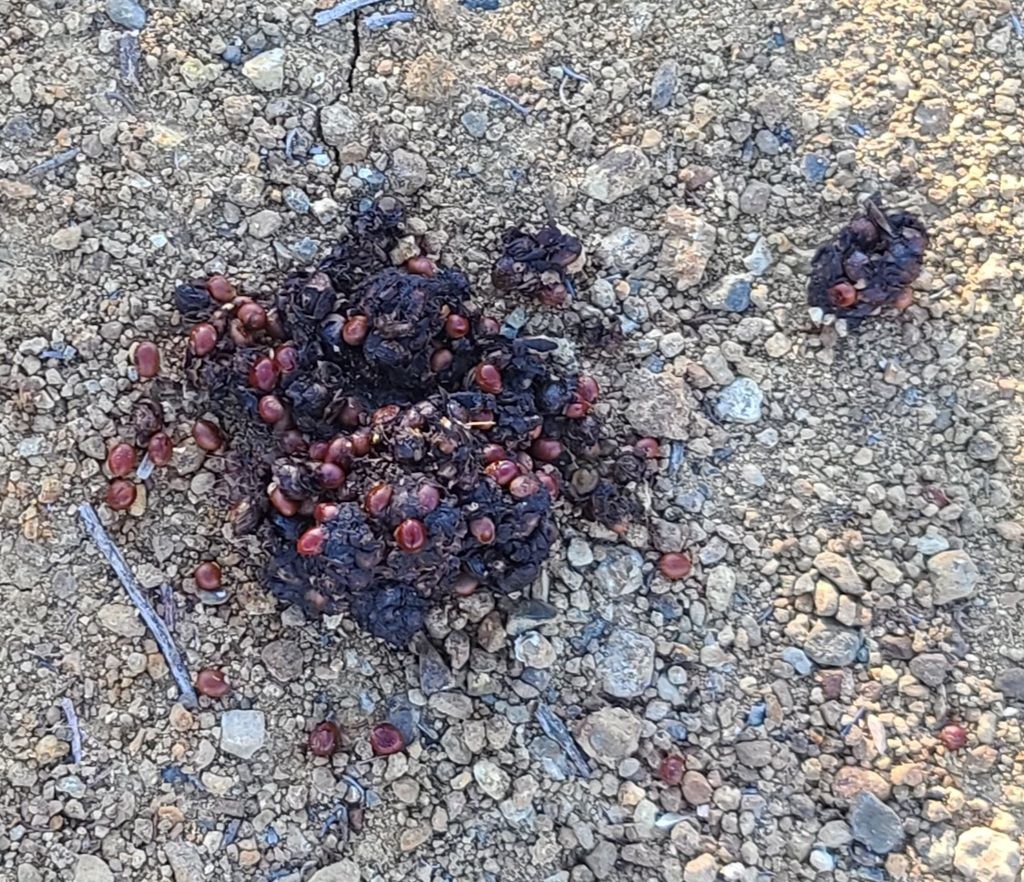
- Contents: hair and bone mean a meat eater. Seeds, berries and grass mean a plant eater or a bear in berry season. Crayfish shells often mean raccoon.
- Place: a pile in the middle of a trail or at a trail crossing is often a coyote or fox marking its ground. Many piles in one spot, on a log or at the base of a tree, is a raccoon latrine.
Stay safe around droppings
Droppings can carry germs and worm eggs that make people sick. Raccoon droppings can hold roundworm eggs, and mouse droppings can spread hantavirus when they are swept up dry. Use a stick or take a photo, keep children and dogs away, and wash your hands even if you think you did not touch anything.
Droppings pages
Pages for the droppings people search for most in the US, each with a real photo and its look-alikes.
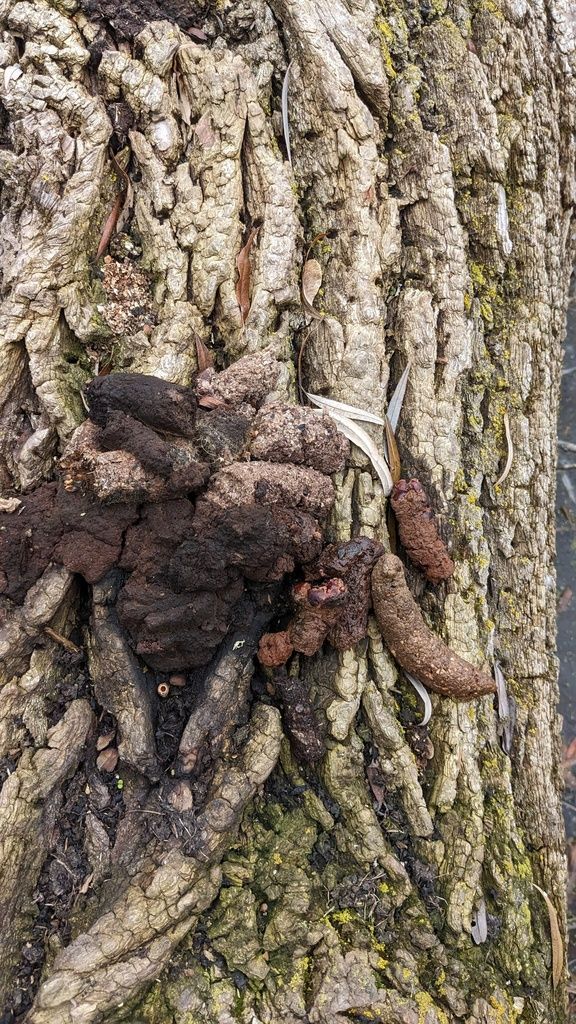
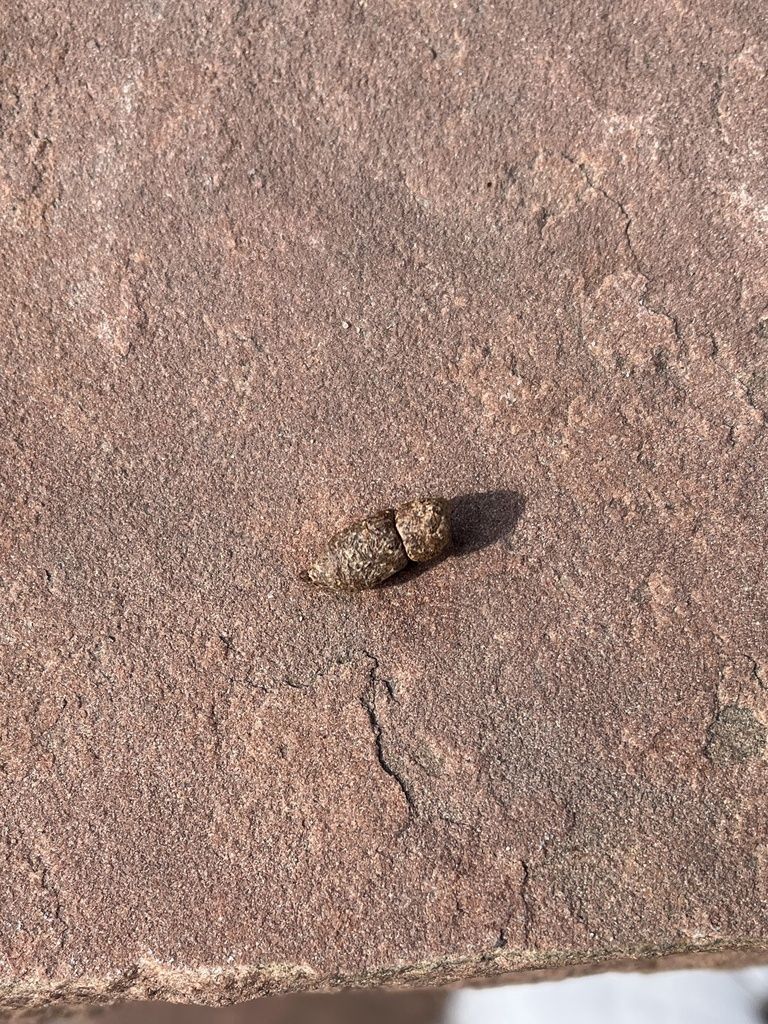
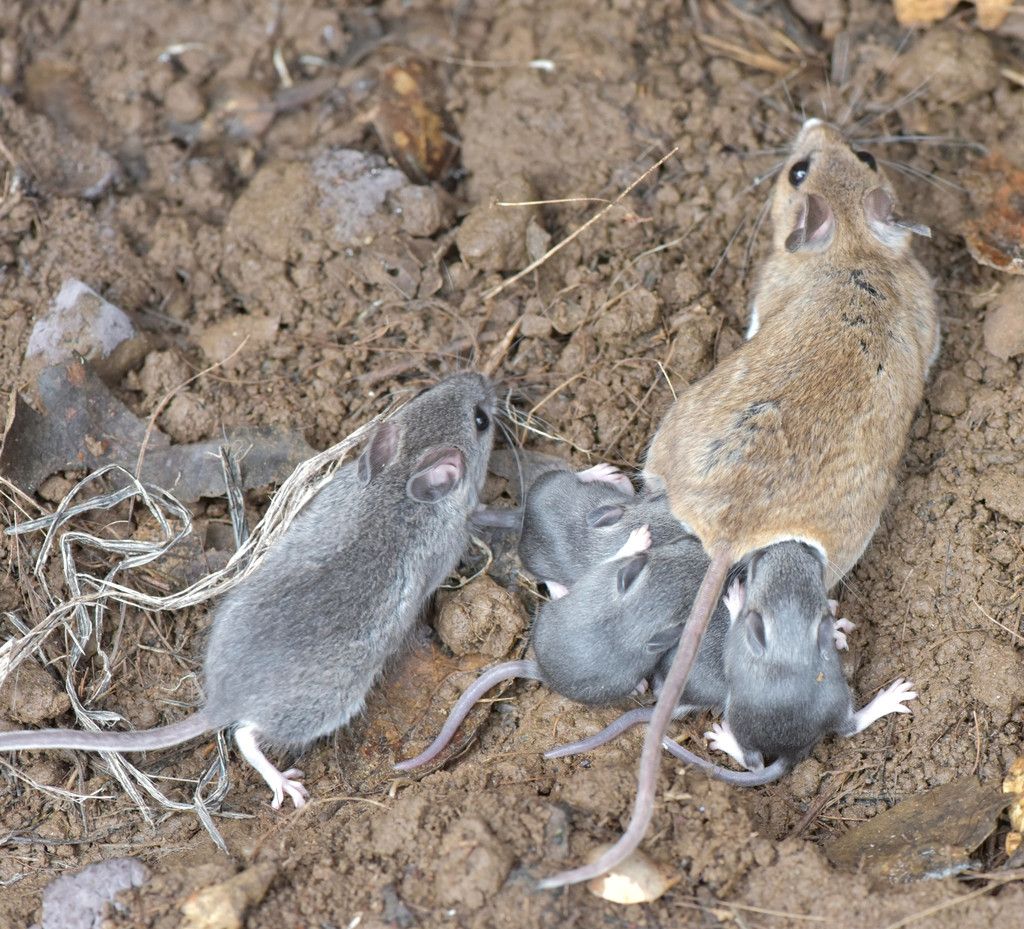
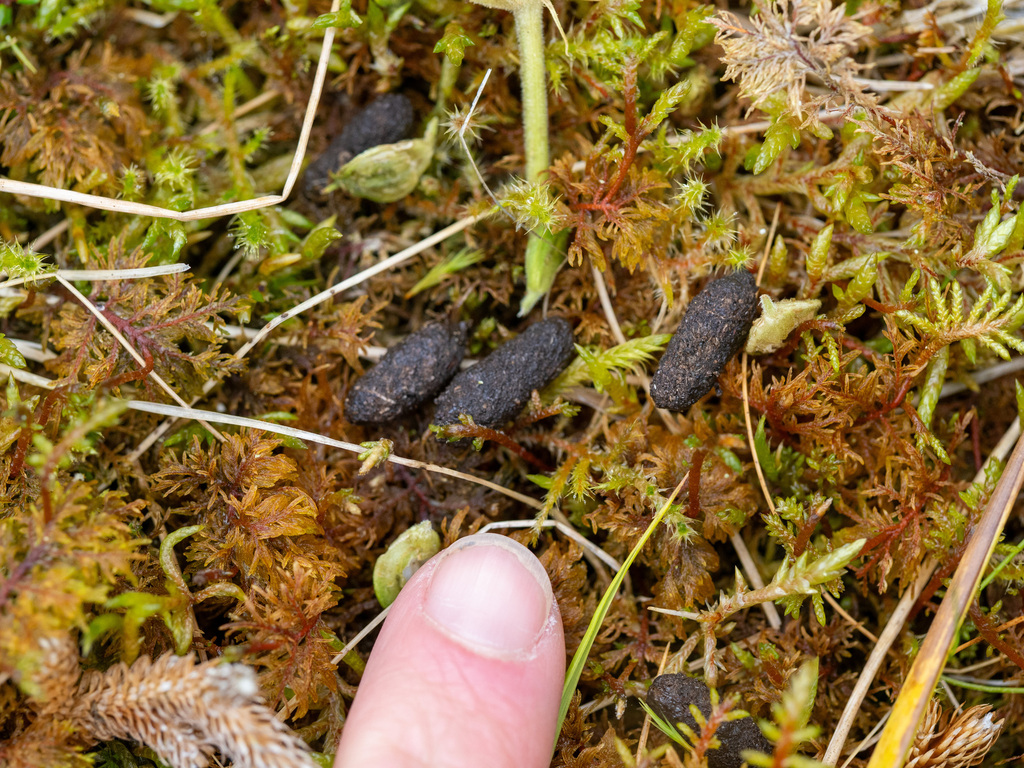
The free app reads your photo, names the likely match, shows its look-alikes, and tells you what has been seen near your ZIP code.
Sources
- US Army Survival Manual, page 99
- CDC: How raccoon roundworm spreads
- CDC: How to clean up after rodents
- National Park Service, Yosemite: The scoop on bear poop
Written in our own words from these public sources.