Dangerous animal
Tick identification: the common US ticks and how to remove one
Ticks wait on grass and brush and climb onto anyone who brushes past. A few kinds spread illnesses such as Lyme disease, and young ticks can be as small as a poppy seed, so checking yourself after time outside matters more than knowing every kind.
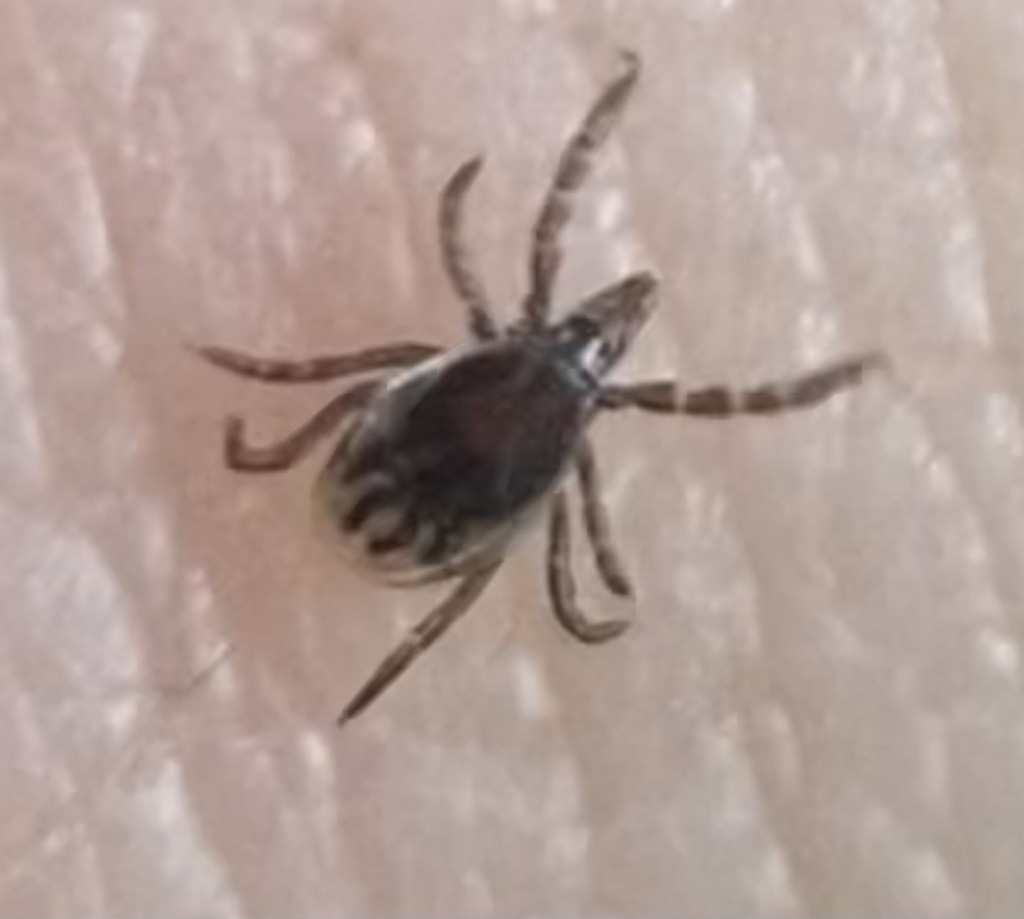
How to tell it
- Blacklegged (deer) tick: small and dark, the adult female with a red-orange body behind a black shield. It spreads Lyme disease.
- Lone star tick: reddish brown, the adult female with one bright white dot on her back. Its bite is linked to a red meat allergy.
- American dog tick: brown with white or gray marks on the shield behind the head. Larger than a blacklegged tick.
- Eight legs as adults and nymphs. A tick that has fed for a while swells into a gray or brown bean.
Where you find it
Across the US in grass, brush and leaf litter, and at the edges where woods meet lawns, trails and fields. Blacklegged ticks are most common in the Northeast and upper Midwest, lone star ticks in the South and East.
Scientific name: Ixodes scapularis, Amblyomma americanum, Dermacentor variabilis
Look-alikes
Spiders have two body parts and are quick. Ticks look like one flat oval body and move slowly.
Six legs, not eight, and found indoors in beds and furniture, not on trails.
Look closely with a light. A tick shows legs near the skin.
Why it is dangerous
The longer a tick stays attached, the higher the chance it passes on an illness. Lyme disease, Rocky Mountain spotted fever, ehrlichiosis and other tick-borne illnesses can start with fever, aches and a rash days to weeks later, and some become serious if not treated.
What to do
- Remove an attached tick as soon as you find it. Grab it close to the skin with fine-tipped tweezers.
- Pull straight up with steady, even pressure. Do not twist or jerk it.
- Clean the bite and your hands with rubbing alcohol or soap and water. Do not use nail polish, petroleum jelly or heat to make it back out.
- Watch for a rash or fever over the next 30 days, and see a doctor if one appears. Tell them about the bite.
- Next time, use an EPA-registered repellent, tuck pants into socks, check your whole body and shower soon after coming inside.
The free app reads your photo, names the likely match, shows its look-alikes, and tells you what has been seen near your ZIP code.
Sources
Written in our own words from these public sources.