Food guide
Maple and birch sap: find, pick and prepare
In late winter, maple, birch and sycamore trees run with sweet sap you can drink like water or boil down into syrup.
Page numbers below are from the US Army Survival Manual (FM 21-76) unless another source is named. Each one opens that page.
On private land, ask the owner first. Many state nature preserves ban picking anything. Some state parks allow picking fruit, nuts and mushrooms for your own use, but digging roots, cutting plants or peeling bark may not be allowed, so check the rules of the park you are in (city, county and national parks have their own rules too).
Ways to find and pick it
Sap runs in late winter and early spring, when nights freeze and days thaw (general knowledge, not the manual).
p. 135The manual names maples, birches, walnuts and sycamores. Sugar maple has the sweetest sap.
p. 135Make a small hole about 5 cm (2 inches) deep into the trunk at waist height, push in a hollow tube or a carved wooden spout, and hang a container under it (general knowledge, not the manual). The sister manual says to tap "water trees" before dark: they give the most at night.
Military Survival and Rescue Guide, page 73Clean and prepare it, step by step
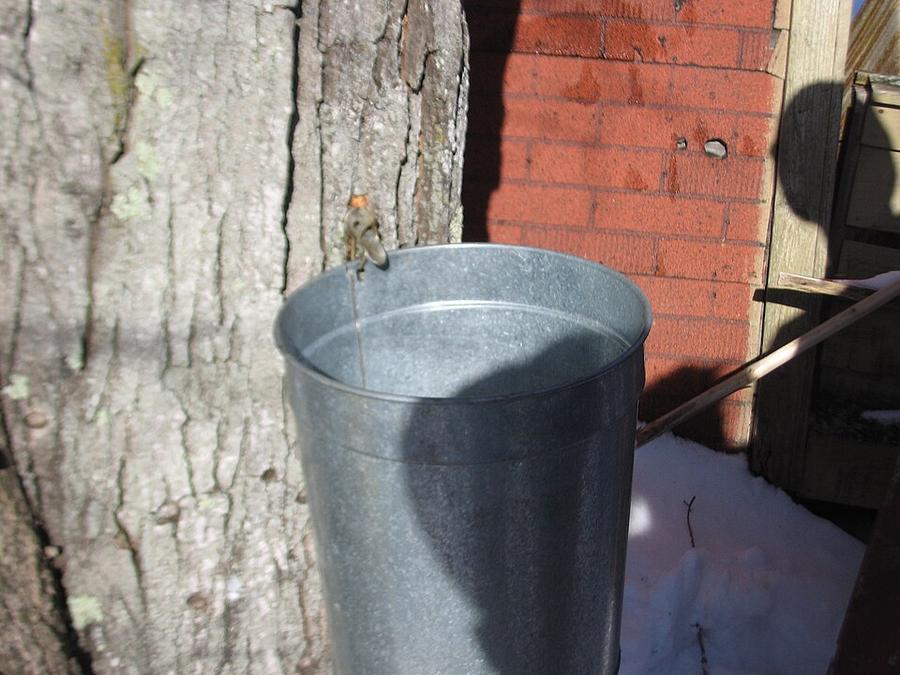
Strain the sap through a clean cloth to catch bark and bugs (general knowledge, not the manual).
p. 135Use clean containers and cover them so rain, bugs and leaves stay out. Empty them every day (general food safety, not the manual).
p. 135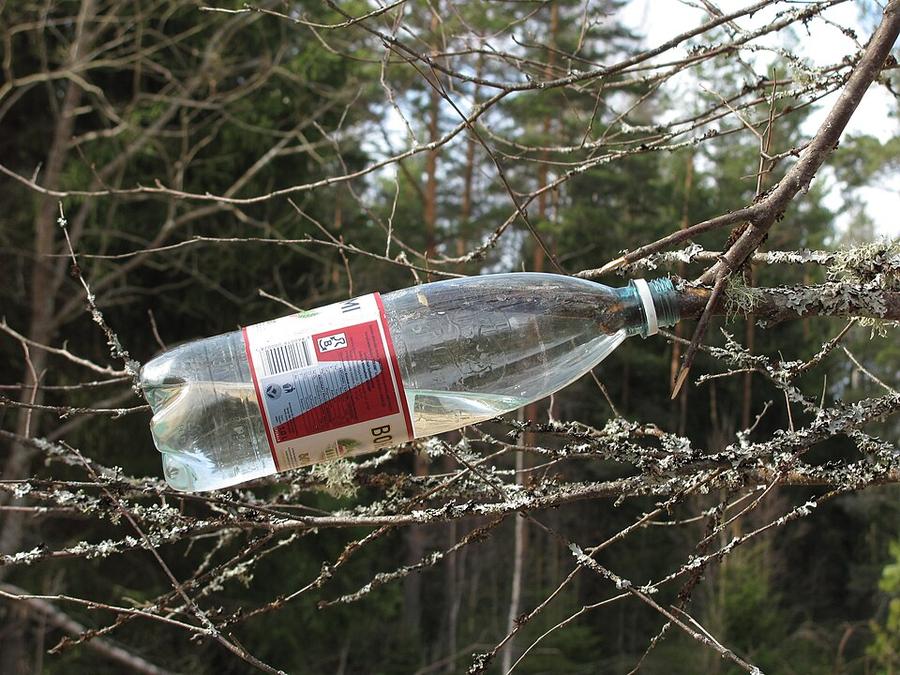
Keep the sap cold and use it within a day or two; it spoils like milk (general food safety, not the manual).
p. 135Throw out sap that looks cloudy, slimy or smells sour (general food safety, not the manual).
p. 135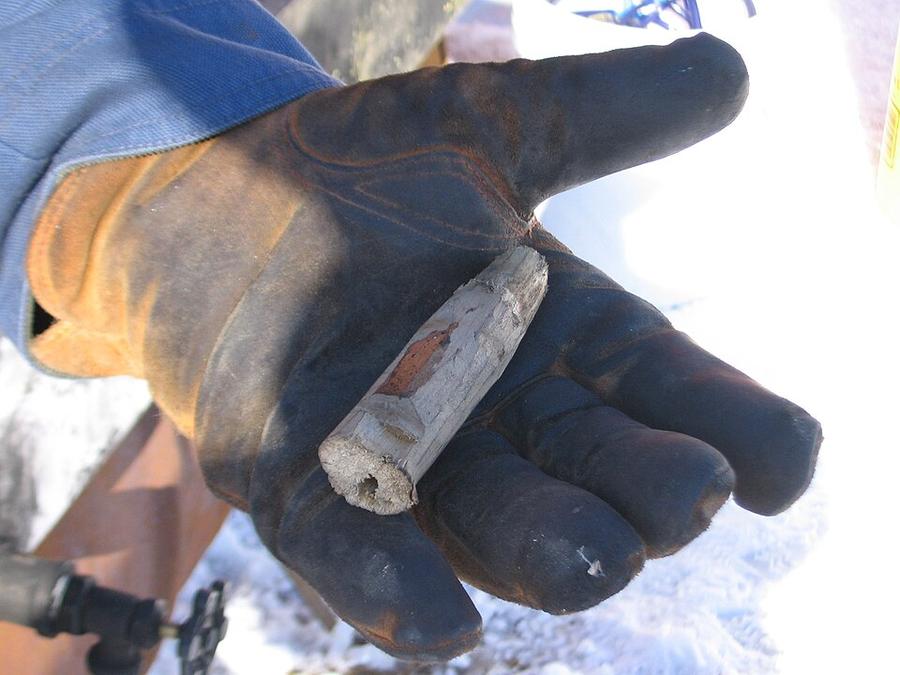
Pull the spout out when you are done so the tree can heal (general knowledge, not the manual).
p. 135
Cook or eat it, step by step
Drink fresh sap as it is. It is mostly water with a little sugar.
Military Survival and Rescue Guide, page 73Or boil the sap for a few minutes and drink it warm, like a sweet tea (general knowledge, not the manual).
p. 135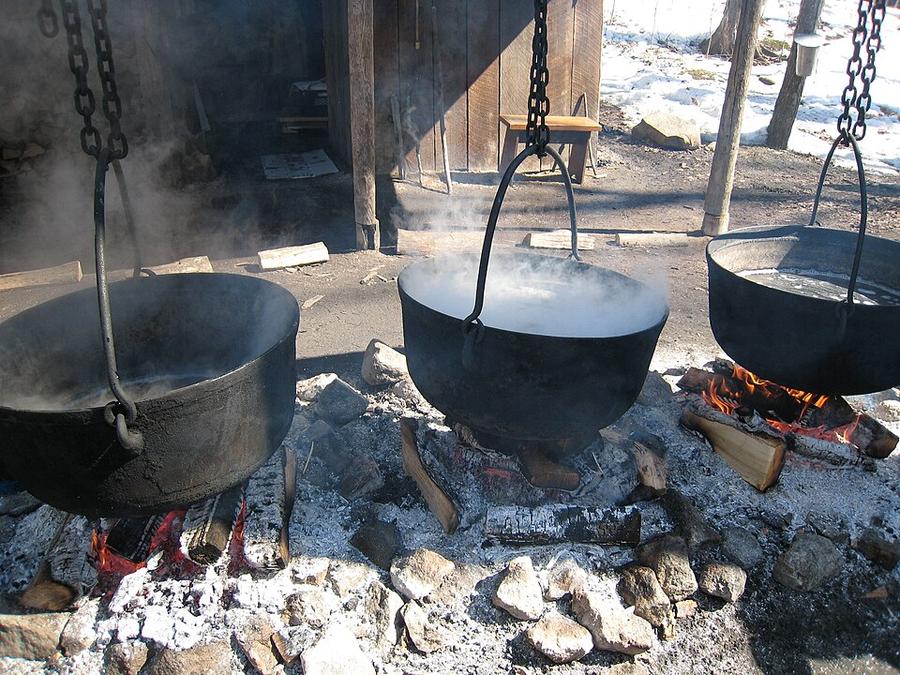
Syrup: boil the sap in an open pot over a fire for hours, until it is thick and golden. It takes about 35 liters of maple sap to make 1 liter of syrup.
p. 135
Stay safe
- Be 100% sure of the tree. Never drink from a tree or vine with milky sap. Military Survival and Rescue Guide, page 73
- Boil syrup outdoors and watch it: near the end it can burn or boil over fast (general knowledge, not the manual). p. 135
- The manual's Universal Edibility Test is only for an emergency when you cannot name a plant at all. It tests one part of one plant at a time and takes more than 24 hours for each part. It is not a shortcut, and it never works for mushrooms. pp. 128 to 131
- This app's photo reader never tells you a plant in your photo is safe to eat. Check the plant in person, from every side, with a field guide or someone who knows it. p. 137
The app shows what has been seen near your ZIP code, with photos, and can read a photo you take.