Food guide
Berries and wild fruit: find, pick and prepare
Wild berries are quick, sweet energy you can eat right off the bush, as long as you know exactly which bush it is.
Page numbers below are from the US Army Survival Manual (FM 21-76) unless another source is named. Each one opens that page.
On private land, ask the owner first. Some state parks let you pick fruit, nuts and mushrooms for your own use. Many state nature preserves ban picking anything. City, county and national parks set their own rules, so check the rules of the park you are in.
Ways to find and pick it
Look in sunny edges of woods, fields, streams and roads. The prickly canes arch back down to the ground. In many states they ripen in early to late summer (general knowledge, not the manual). Pick berries that come off with a gentle pull, and wear long sleeves for the thorns.
p. 331Mulberry trees grow in fields, roadsides and old lots. In early summer they have blue-black, many-seeded berries. Spread a sheet or coat under a branch and shake it (the sheet trick is general knowledge, not the manual). Eat only fully ripe dark ones.
p. 367Grape vines climb trees at forest edges and hold on with curly tendrils. Ripe grapes hang in bunches and turn blue-black in late summer and fall. Pull off whole bunches.
p. 415After a wild rose's petals fall, red rose hips form and stay on the bush all year, even into winter. Pull them off; wear gloves for the prickles.
p. 419Elderberry shrubs grow in wet ground by marshes, streams and ditches. Big flat-topped clusters of white flowers come in early summer, then dark blue-black berries. Snip off the whole cluster.
p. 352Wild strawberries are small plants with 3 leaflets and white flowers that fruit in late spring. Blueberries grow on shrubs in open, sunny places.
p. 395Clean and prepare it, step by step
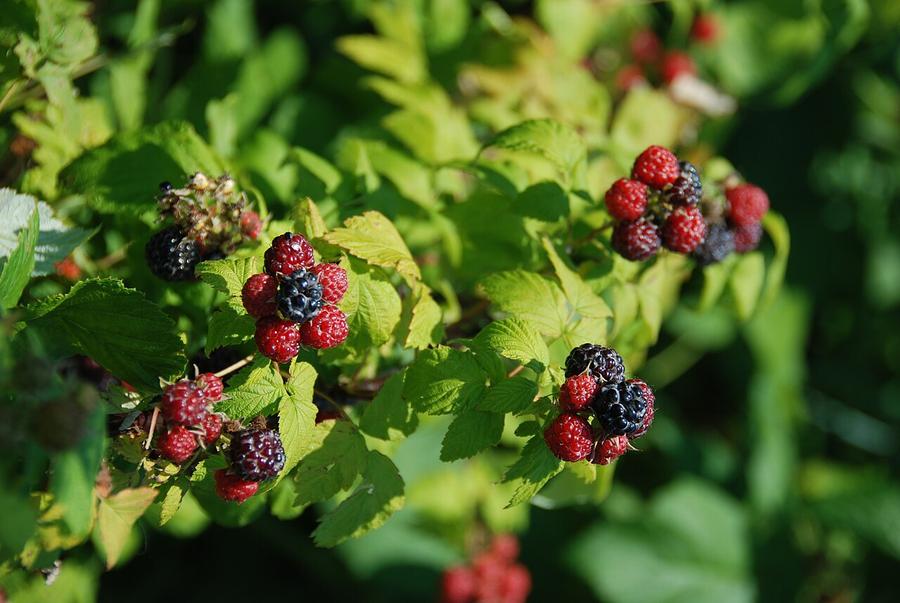
Pick only ripe fruit. Black raspberries and blackberries are red before they are ripe and turn fully black when ready.
p. 331Throw away anything moldy, mushy or starting to spoil.
p. 127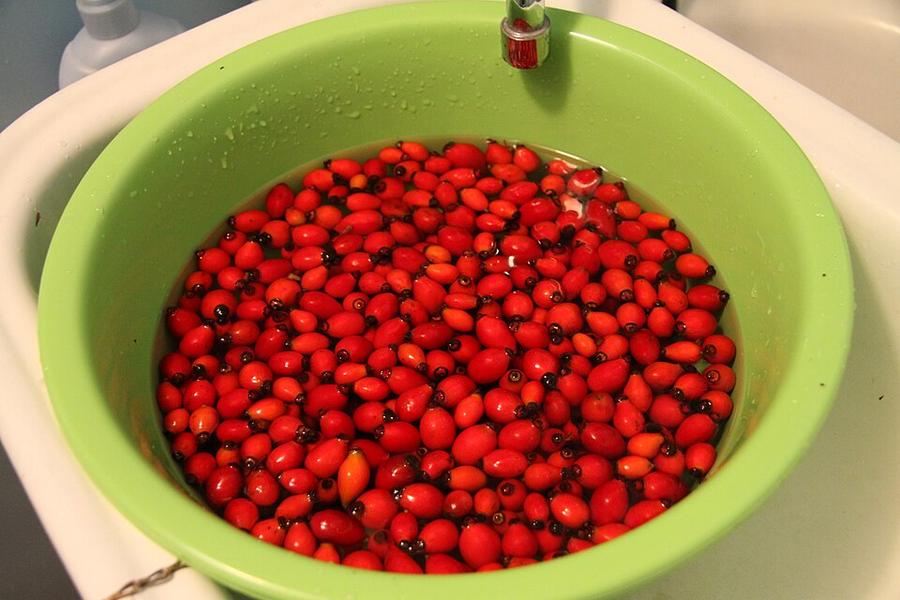
Wash fruit in clean water. Bushes near houses and roads may have been sprayed with bug or weed killer.
p. 127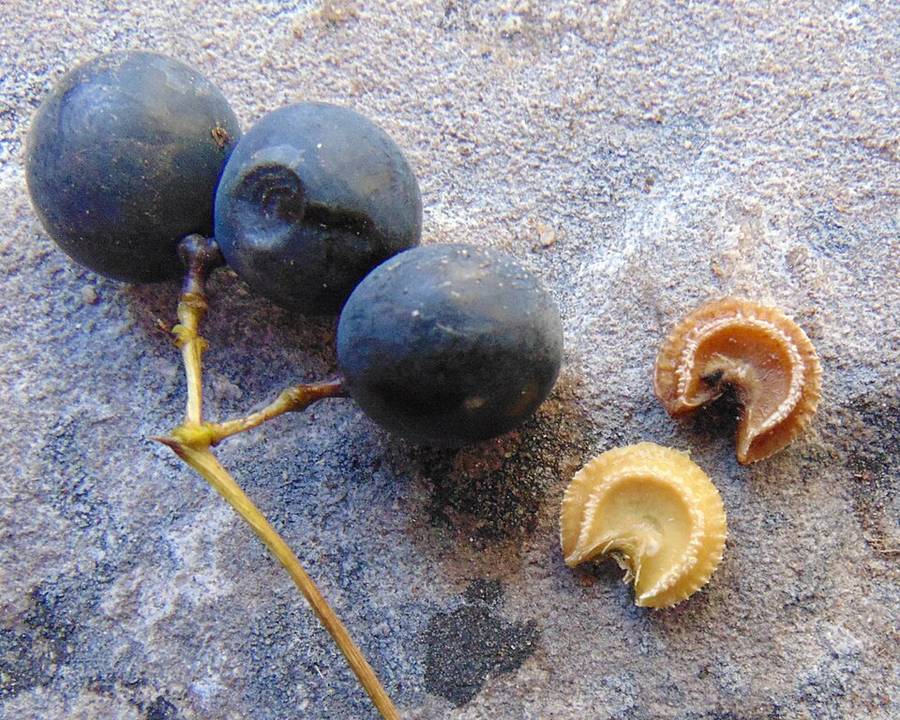
Grapes: break one open before you eat any. Real wild grapes have several seeds. A grapelike fruit with only one flat, moon-shaped seed is moonseed, and it is poisonous.
p. 416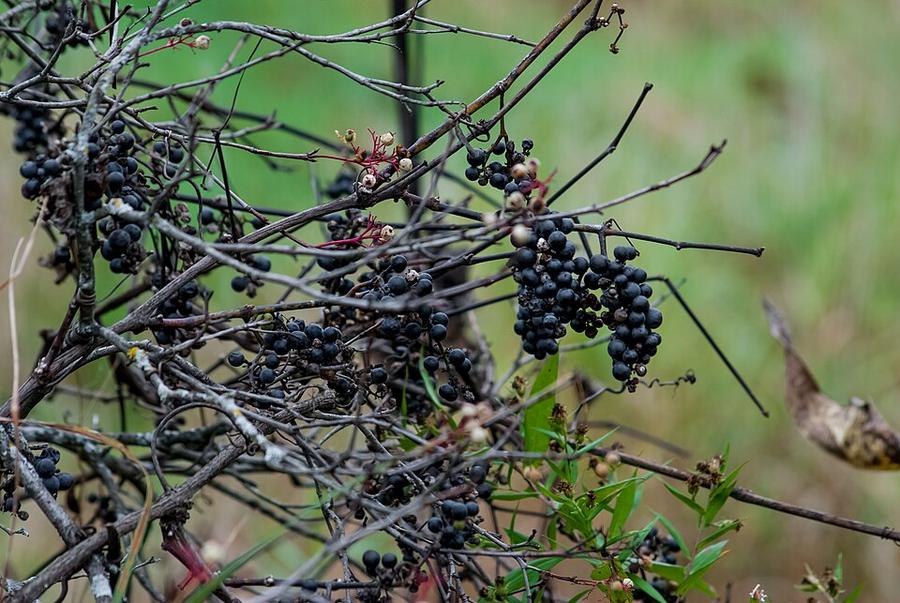
Elderberries: strip the ripe berries off the stems with a fork or your fingers. Throw away every stem, leaf and green berry.
p. 352Rose hips: cut them in half and scrape out the hairy seeds. Keep only the outer flesh.
p. 419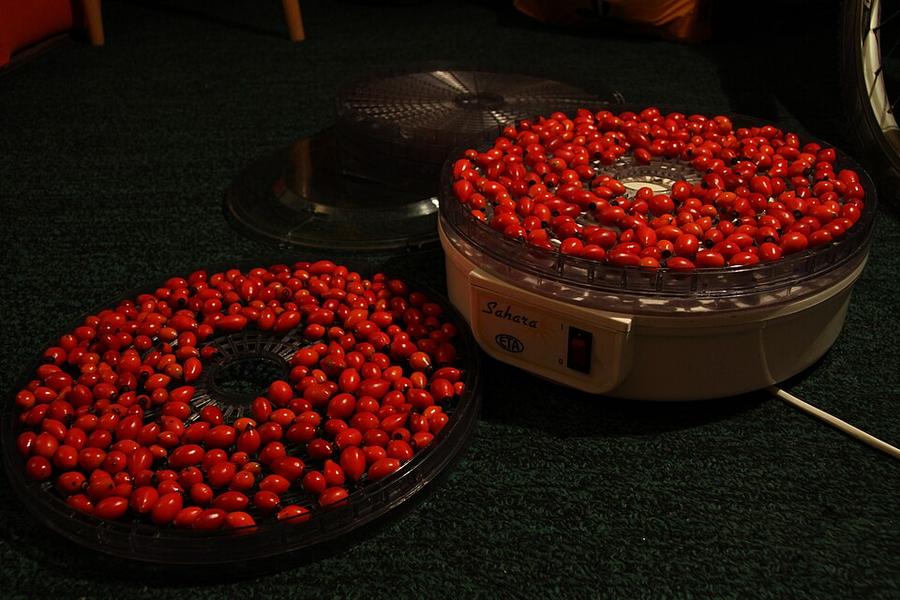
Dry extra rose hips or mulberries in the sun or near a fire to keep them for later.
p. 367
Cook or eat it, step by step
Eat ripe blackberries, raspberries, blueberries, strawberries, mulberries and grapes raw.
Military Survival and Rescue Guide, page 87Cook elderberries before you eat them: simmer them in a little water into a sauce. Raw elderberries upset many people's stomachs (general food safety, not the manual).
p. 352Elderflower drink: soak the white flower heads in water for 8 hours, throw away the flowers, and drink the water.
p. 352Rose hip flour: crush or grind dried rose hips. The pulp is rich in vitamin C.
p. 419Leaf tea: steep blackberry leaves, strawberry leaves or fresh young rose leaves in hot water.
p. 331
Stay safe
- Be 100% sure of the plant, not just the berry. The manual's lookalikes: moonseed looks like wild grapes (one seed, not several), and only white-flowered true strawberries are safe. Its sister manual says to avoid white and yellow berries; berries made of many little bumps, like blackberries, are the safest. Military Survival and Rescue Guide, page 84
- Elderberry: every part except the ripe fruit and the flowers is poisonous, including leaves, stems, bark, roots and green berries. Many areas also have red-berried elder; leave it alone (general food safety, not the manual). p. 352
- Green, unripe mulberries can cause hallucinations, bad nausea and cramps. Lots of ripe ones will loosen your bowels. Rose hip seeds are prickly inside you, so eat only the outer flesh. p. 367
- The manual's Universal Edibility Test is only for an emergency when you cannot name a plant at all. It tests one part of one plant at a time and takes more than 24 hours for each part. It is not a shortcut, and it never works for mushrooms. pp. 128 to 131
- This app's photo reader never tells you a plant in your photo is safe to eat. Check the plant in person, from every side, with a field guide or someone who knows it. p. 137
The app shows what has been seen near your ZIP code, with photos, and can read a photo you take.