Food guide
Cattails: find, pick and prepare
Every marsh is a cattail grocery store: tender shoots in spring, green heads and yellow pollen in early summer, and starchy roots all year.
Page numbers below are from the US Army Survival Manual (FM 21-76) unless another source is named. Each one opens that page.
On private land, ask the owner first. Many state nature preserves ban picking anything. Some state parks allow picking fruit, nuts and mushrooms for your own use, but digging roots, cutting plants or peeling bark may not be allowed, so check the rules of the park you are in (city, county and national parks have their own rules too).
Ways to find and pick it
In spring, grab a young shoot low down, near the mud, and pull hard. It snaps off with a soft white base (the pulling trick is general knowledge, not the manual).
p. 339In late spring, before the brown "cat tail" forms, the head is still green. Snap off the lower green part.
p. 339In early summer the spike on top is thick with bright yellow pollen. Bend it into a bag or can and shake.
p. 339Any time of year, reach into the mud at the base of the plants and pull or dig out the thick creeping root (the manual calls it the rhizome).
p. 339Clean and prepare it, step by step
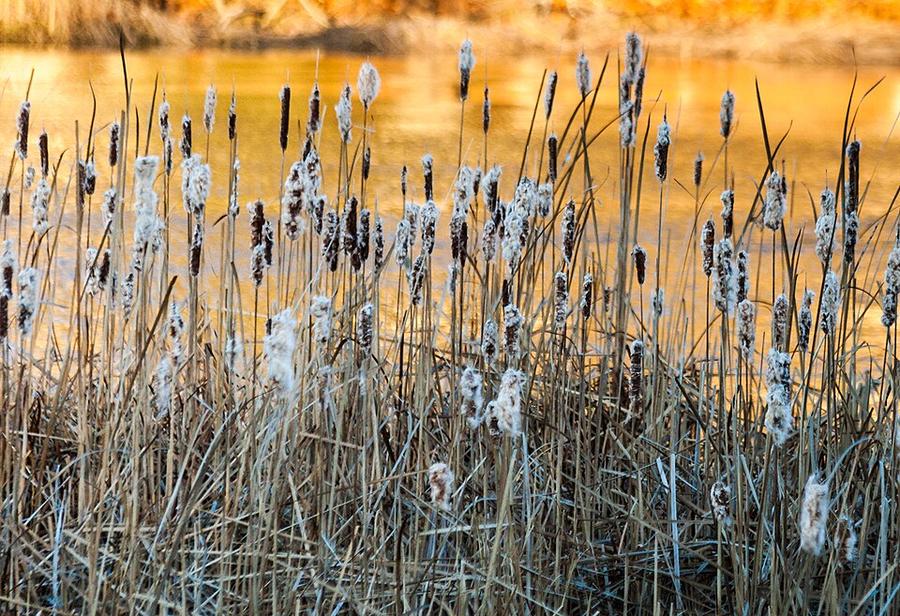
Wash everything in clean water. The water cattails grow in can carry Giardia and other germs.
p. 127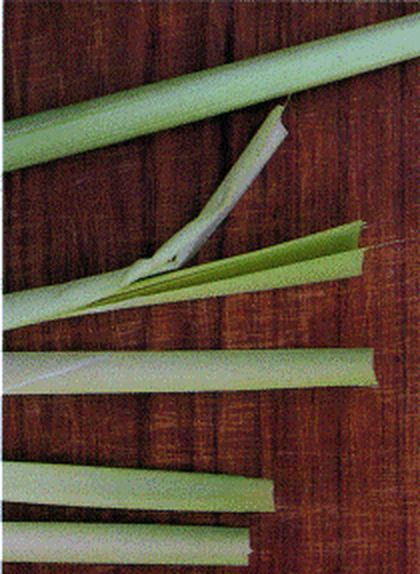
Shoots: peel off the outer green leaves until you reach the white, tender core.
Military Survival and Rescue Guide, page 56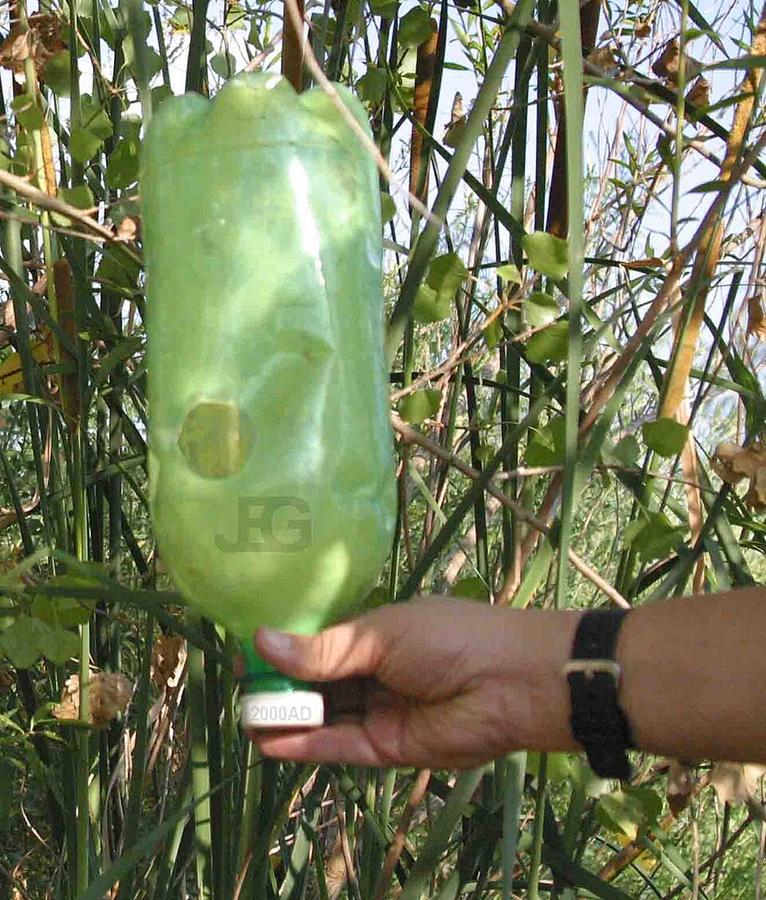
Pollen: sift it through a cloth to take out bugs and bits of plant (general knowledge, not the manual).
p. 339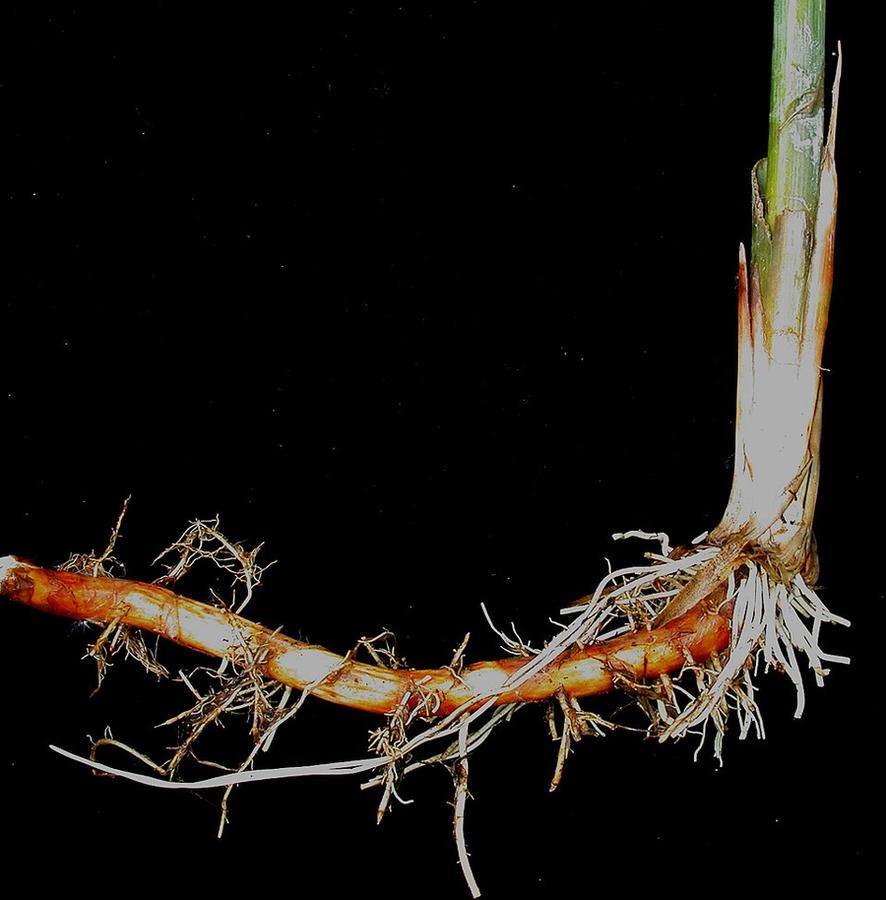
Roots: peel the spongy outer skin. Pound the white core in a pot of water to free the starch. Let it sit; the starch sinks. Pour off the water and fibers and keep the starch (the settling step is general knowledge, not the manual).
p. 339Dry the pollen or the starch to use as flour.
p. 339
Cook or eat it, step by step
Shoots can be eaten raw or cooked. If the water they grew in might be dirty, boil them.
p. 339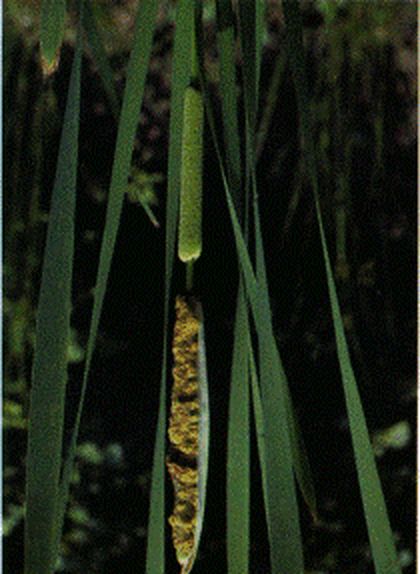
Green heads: boil them and eat them like corn on the cob.
p. 339Pollen or root starch: mix with a little water into dough and bake flat cakes on a hot rock, or stir it into soup to thicken it (the recipe is general knowledge; the manual calls both a flour).
p. 339Or roast pieces of root in the coals, then chew out the starch and spit out the tough fibers (general knowledge, not the manual).
p. 339
Stay safe
- Be 100% sure it is a cattail. Before the brown heads show, young cattails look like iris (yellow flag iris grows in marshes), which is poisonous. Cattail leaves wrap around each other into a round base; iris leaves are flat and fan out from one side (general food safety, not the manual). p. 127
- Water hemlock, one of the deadliest plants, grows in the same wet places. Never eat a marsh plant with lacy, carrot-like leaves or small white flowers in umbrella-shaped clusters. p. 438
- Gather only from clean water, away from roads, farms and factories. Plants growing in dirty water are dirty too: boil them. p. 127
- The manual's Universal Edibility Test is only for an emergency when you cannot name a plant at all. It tests one part of one plant at a time and takes more than 24 hours for each part. It is not a shortcut, and it never works for mushrooms. pp. 128 to 131
- This app's photo reader never tells you a plant in your photo is safe to eat. Check the plant in person, from every side, with a field guide or someone who knows it. p. 137
The app shows what has been seen near your ZIP code, with photos, and can read a photo you take.