Food guide
Wild onions, daylilies and spring beauty: find, pick and prepare
Wild onion bulbs, daylily tubers and spring beauty roots are small, starchy, filling foods you can dig with a stick.
Page numbers below are from the US Army Survival Manual (FM 21-76) unless another source is named. Each one opens that page.
On private land, ask the owner first. Many state nature preserves ban picking anything. Some state parks allow picking fruit, nuts and mushrooms for your own use, but digging roots, cutting plants or peeling bark may not be allowed, so check the rules of the park you are in (city, county and national parks have their own rules too).
Ways to find and pick it
Look in open, sunny places in spring. Crush a leaf: it must smell strongly of onion or garlic. Dig the bulb with a stick.
p. 416Orange daylilies grow in thick clumps along roads and old house sites. Pick young leaves in spring and flower buds and flowers in summer. Dig the finger-shaped tubers any time.
p. 350In early spring, before the trees leaf out, small white-and-pink striped flowers cover rich woods. Dig gently a few inches down to find the small round tuber. Each one is a whole plant, so take only a few (general knowledge, not the manual).
p. 360Clean and prepare it, step by step
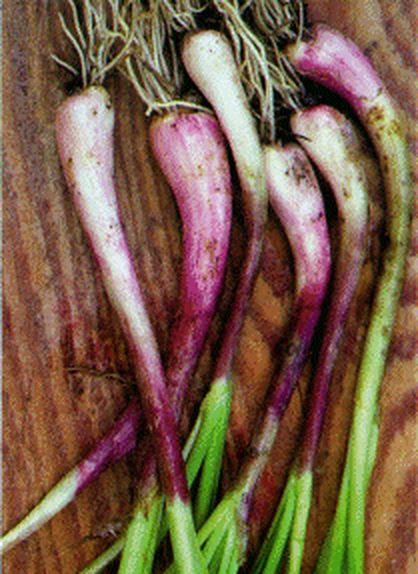
Smell test every wild onion: crush a leaf or the bulb. No onion smell means do not eat it.
p. 416Rinse off the dirt and peel away the outer skin of the bulbs (general knowledge, not the manual).
p. 127Cut off the hairy roots at the bottom of each bulb and any tough old leaves (general knowledge, not the manual).
p. 416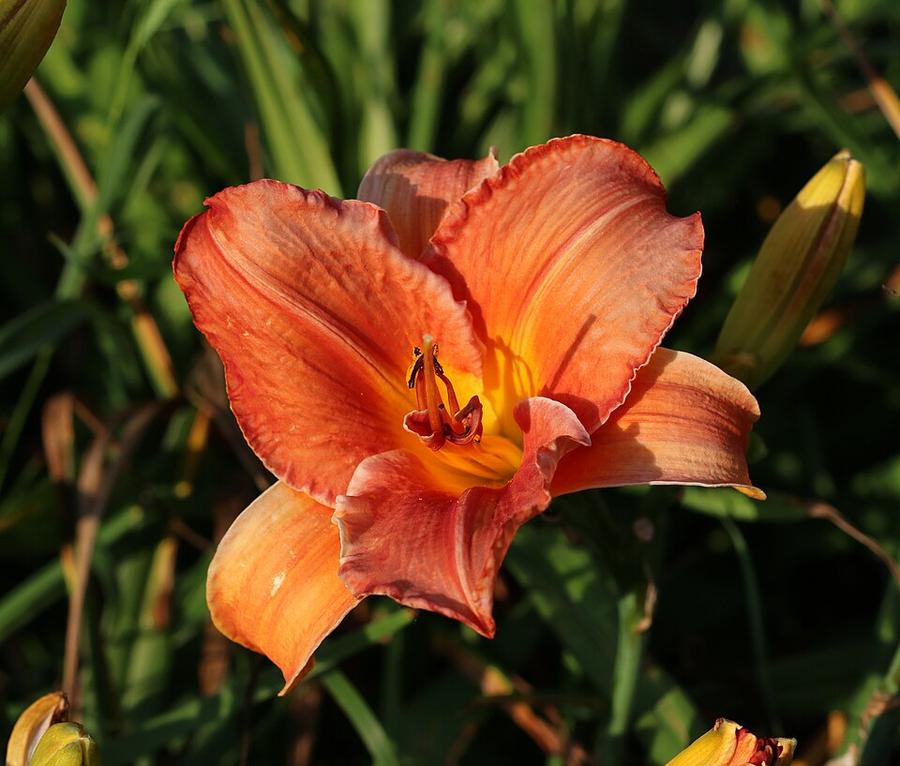
Daylily tubers: wash them. Keep the firm, pale ones and throw away soft or shriveled ones (general knowledge, not the manual).
p. 350Spring beauty tubers: wash them well.
p. 360
Cook or eat it, step by step
Wild onions: eat the bulbs and young leaves raw or cooked, or add them to soup and meat.
p. 416Daylily tubers: eat them raw, or boil or roast them like small potatoes.
p. 350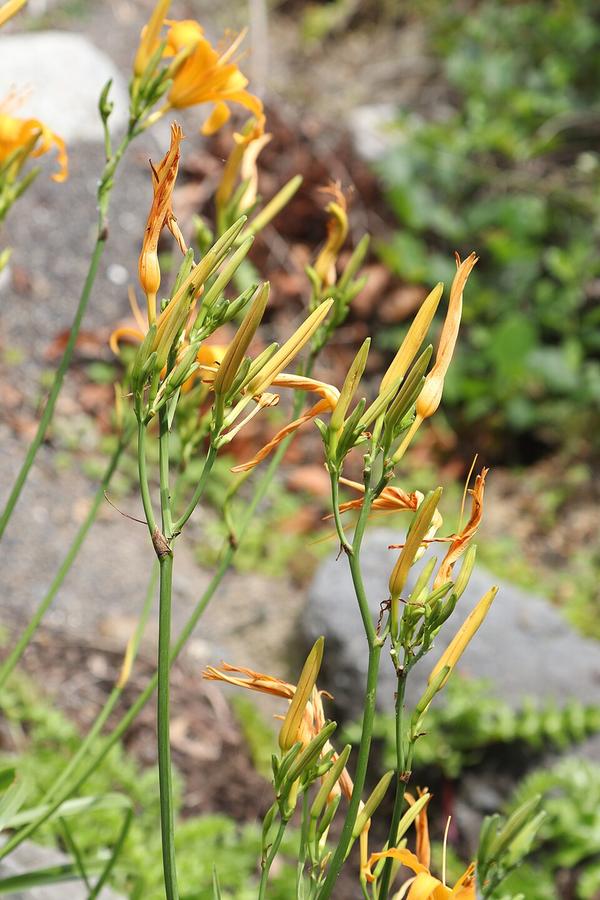
Daylily buds and flowers: you can eat them raw, but they taste better cooked. Fry flowers to keep them.
p. 350Spring beauty: boil the tubers before you eat them.
p. 360
Stay safe
- Be 100% sure. Several plants with onion-like bulbs are deadly poisonous, like death camas. They do not smell like onion. If it does not smell like onion, it is not one. p. 416
- Eat only the orange daylily (Hemerocallis). Many other lilies, and lily of the valley, are poisonous (general food safety, not the manual). Too many raw daylily flowers can cause diarrhea. p. 350
- Eating lots of wild onions on an empty stomach can cause cramps. Eat them in small amounts. p. 131
- The manual's Universal Edibility Test is only for an emergency when you cannot name a plant at all. It tests one part of one plant at a time and takes more than 24 hours for each part. It is not a shortcut, and it never works for mushrooms. pp. 128 to 131
- This app's photo reader never tells you a plant in your photo is safe to eat. Check the plant in person, from every side, with a field guide or someone who knows it. p. 137
The app shows what has been seen near your ZIP code, with photos, and can read a photo you take.