← Outdoor Survivalist Trainer Your area

First aid · First aid course

Hypothermia: the signs, and rewarming without killing them

Hypothermiahypothermia Losing body heat faster than you can make it. Shivering first, then confusion and a false feeling of warmth, then unconsciousness. Wet and wind do it even above freezing. is losing heat faster than your body makes it. It does not need a blizzard; wet clothes, wind and water above freezing do it. The manuals agree on the signs, and they are careful about rewarmingrewarming Warming a person back up after they got too cold. Done slowly and from the core outward., because warming a cold person too fast can stop the heart.

Why this matters

Your body's corecore temperature The heat deep inside your body, around your heart, lungs and brain. About 98.6 F when you are healthy. normally stays at about 98.6 degrees F (37 C). The survival manual calls it hypothermia when the body cannot hold about 97 F (36 C). The first aid manual warns that cold works slowly and almost without notice, and that in cold water even a very fit person can die in minutes.

It does not need snow. Rain, wind, wet clothes and water well above freezing are enough, and being tired, hungry or short on water makes it come on faster. That is why this matters on an ordinary fall hike in many states, not only in winter.

The rewarming part is where good intentions go wrong. Warming a very cold person too fast, or moving them roughly, can upset the heart. If you have signalsignal Anything in threes means help: three fires, three whistle blasts, three piles of rocks., call 911 as soon as you suspect hypothermia. This lesson is a learning tool, not medical training.

What you need

  • Dry clothes, including a hat, packed where they stay dry.
  • A sleeping bag, blankets or anything that traps warmth, plus something to put under the person.
  • Warm water in bottles or canteens, wrapped in cloth so they do not burn the skin.
  • Something hot and sweet to drink for a person who is awake.
  • With no gear: a shelter out of the wind, a fire, and the body heat of another person are all on the manuals' list.

Step by step

  1. Causes: general exposure, a sudden wetting such as falling into a lake, wind, and wet-cold conditions well above freezing. Exhaustion, too little food, dehydrationdehydration Your body has less water than it needs. Thirst, dark urine, headache, tiredness and dizziness are the early signs. and alcohol all make it more likely. Wet-cold means damp, rainy weather that is cool rather than freezing, and it is one of the most common ways people get hypothermia. The manuals also name being worn out, not eating, not drinking enough, and alcohol.
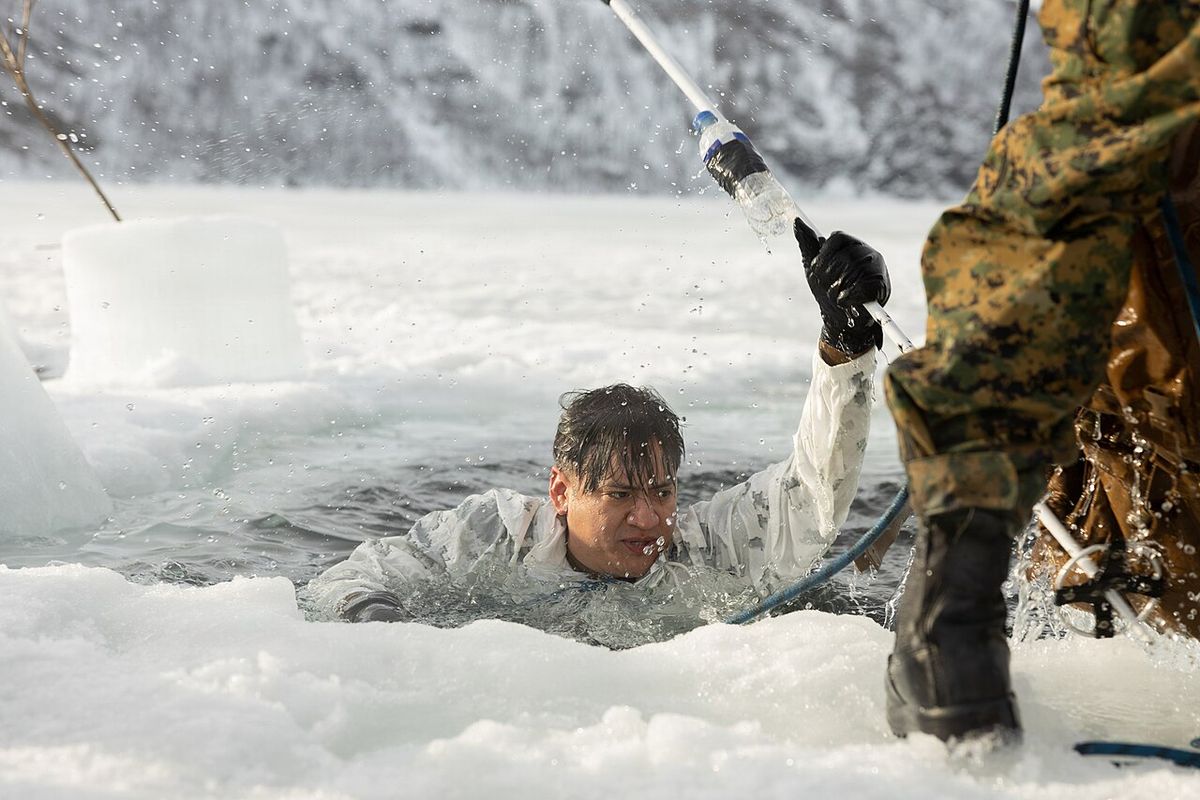
    A man chest-deep in a hole cut in lake ice, being pulled out by rope
    A sudden wetting in icy water drains body heat fast
  2. It starts with shivering. The shivering becomes uncontrollable, and as the core drops to about 95 to 90 degrees F (35 to 32 C) comes sluggish thinking, irrational reasoning, slurred speech, stiff clumsy movements, and a false feeling of warmth. At 90 to 86 F (32 to 30 C) and below: muscle rigidity, unconsciousnessconscious Conscious means awake and able to respond. Unconscious means they cannot be woken. Semiconscious is in between. and barely detectable signs of life. Below 77 F (25 C) death is almost certain. The core is the temperature deep inside, not the skin. That sudden feeling of warmth is a sign the person is getting worse, not better. The first aid manual adds that as it gets worse, the eyes look glassy and breathing turns slow and shallow.

  3. Act at the first stage. The recovery manual's marker is intense shivering with trouble doing complex tasks. By the time thinking is sluggish, the person cannot save themselves. A complex task is anything that takes fine control, like working a zipper or tying a knot. Watch each other: the manuals say the buddy system is critical, because the person getting cold is often the last to notice.

  4. Get them out of the cold. Strip wet clothing at once, put on dry clothing, bundle them into a sleeping bag, cover the top of the head, and insulateinsulation Anything that traps still air and slows heat from leaving: dry leaves, pine needles, snow, wool, a puffy jacket. above and below. Build a shelter if there is none. Wet clothes keep pulling heat away, so they come off first. Cover the head and put insulation under the person as well as on top, so the cold ground does not draw out their heat. You did it right when they are in dry layers, out of the wind and off the ground.

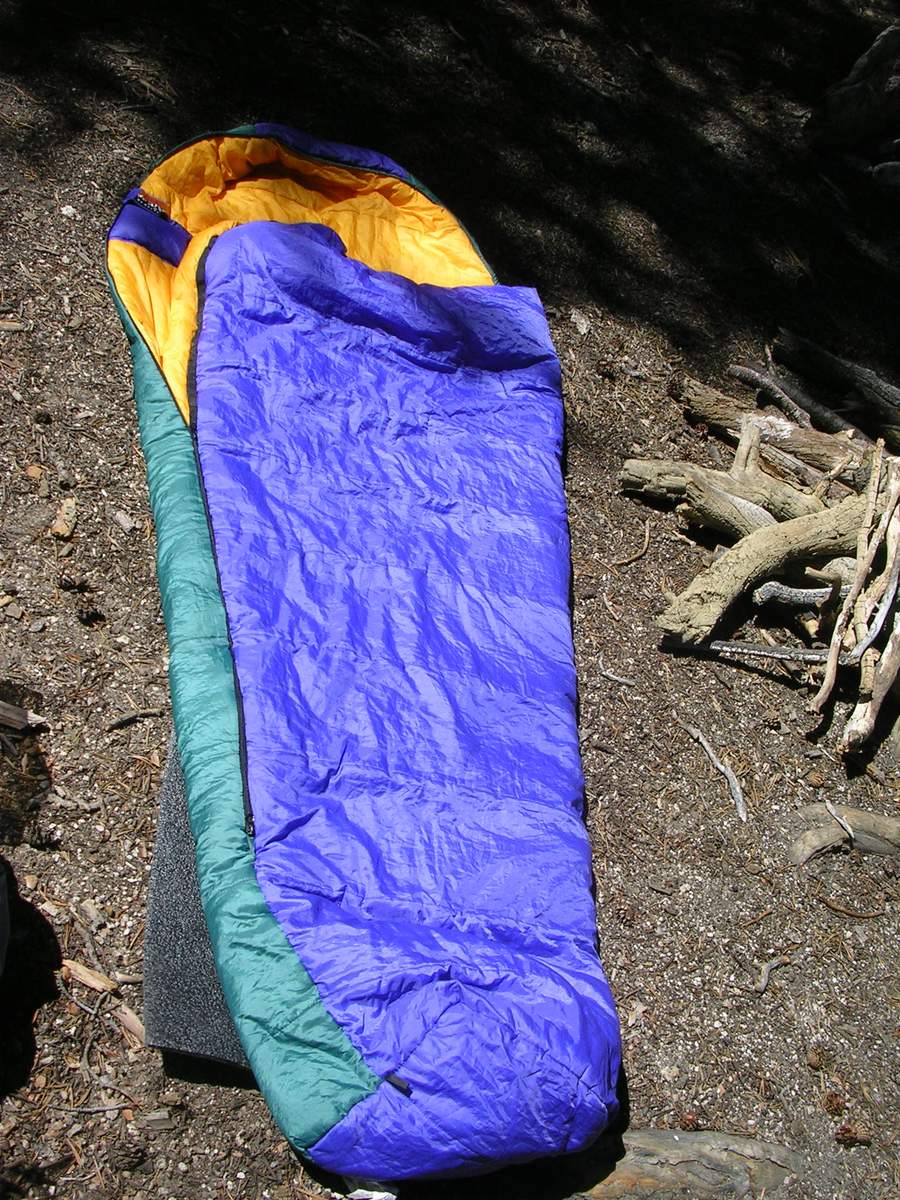
    A blue mummy-style sleeping bag laid out on the ground
    Once they are dry, bundle them into a sleeping bag
  5. Rewarm the whole body evenly and without delay. Warm the core before the limbs: warm canteens or heat packs at the groin, armpits and neck, taking care not to burn the skin; a campfire; another person's body heat. Focus on the chest, belly, groin, armpits and neck before the hands and feet. Wrap warm bottles or hot rocks in cloth first. The survival manual also lists a fire on either side of the person.

  6. Skin to skin in a sleeping bag with a warm person is a survival technique the manuals allow, with a warning: the warm person can become hypothermic too if they stay in too long. In the survival manual's method, both people are undressed inside a warmed sleeping bag. Watch the helper too, and switch helpers if they start to get cold.

  7. If the person is conscious, give hot, sweetened fluids. Honey or dextrosedextrose A simple sugar the body uses fast. Sold as glucose tablets or gel. are best, then sugar, cocoa or similar. Never force an unconscious or semiconscious person to drink; they can choke. Calories are the body's fuelfuel wood Dead wood from finger to wrist thick that keeps the fire going once the kindling has caught. for making heat, which is why sugar helps. A person who is not fully awake can choke on a drink.

  8. The two dangers are rewarming too fast, which can cause heart failure, and after dropafter drop A cold person’s core gets colder for a while after rescue, as cold blood from the arms and legs flows back to the heart., when cold blood from the limbs returns to the core. Handle the person gently. A warm bath is a hospital treatment only. After drop means the core gets colder again during rewarming, because cold blood from the arms and legs flows back to the middle. The survival manual says warming the core first lessens it. Lift and move the person gently; the first aid manual says walking can make the circulation problems worse.

  9. Severe hypothermia (unconscious, weak pulsepulse The beat of the heart you can feel in the wrist or neck. Count beats for 15 seconds and multiply by 4 for beats per minute., core around 90 F or below): do not try to rewarm in the field. Stabilize the temperature, stop further heat loss, handle gently, start mouth-to-mouth if breathing stops, and get them to medical care by litter, not on foot. A blanket alone is not enough, because they cannot make their own heat. Call 911 if you can. Rewarming a person this cold in the field is dangerous, so your job is to stop more heat loss, keep them still and gentle, and get help. Rescue breathing starts if breathing stops or becomes irregular or very shallow.

  10. Prevent it: dress for the conditions, eat and rest, test ice before crossing, never travel alone, and leave your route and return time with someone before you go. Leaving your route and return time with someone means that if you do not come back, people know where to look. The first aid manual also says to carry enough extra clothing and food for an unexpected change in the weather.

Tips from survival instructors

  • Umbles are a warning sign: someone who stumbles, mumbles, fumbles and grumbles is getting too cold.
  • Get the person out of wet clothes and wind first, then warm the chest, armpits and neck, not the arms and legs.

Common mistakes

  • Waiting until the person is confused. Act at the first hard shivering and fumbling hands.
  • Leaving wet clothes on 'until we get back'. Change into dry clothes right away.
  • Giving a drink to someone who is not fully awake. Give drinks only to a person who is awake and can swallow.
  • Putting a very cold person in a hot bath or making them walk to warm up. A bath is a hospital treatment, and rough movement is dangerous. Rewarm the core gently and carry them.
  • Covering the top but leaving them on cold ground. Insulate above and below.
  • Alcohol 'to warm up'. The first aid manual lists alcohol as a cause; give a warm sweet drink instead.

Practice it safely

Pack a dry bag with a full change of clothes and a hat, and carry it on every hike in cool or wet weather. On a cold-weather walk with a friend, practice buddy checks: are they shivering, can they still work a zipper, are they talking clearly?

In a yard or living room, practice getting a friend into a sleeping bag with a pad underneath and the head covered, and practice wrapping warm water bottles in cloth. Before every trip, write down your route and return time and leave it with someone. In a real emergency, call 911 if you have signal.

Quick check

Someone has fallen through ice. What comes first?

  • A hot bath
  • Strip the wet clothes, get them dry, covered and out of the wind
  • Make them walk to warm up
Show the answer

Strip the wet clothes, get them dry, covered and out of the wind

Take the quiz and earn the badge

The app checks your answers, keeps your place in the First aid, and works with no signal once saved.

Before you rely on thisA learning tool, not a replacement for training. In an emergency, call 911.

Sources

Photo credits
Photo: U.S. Marine Corps photo by Lance Cpl. Franco Lewis, Public Domain, sourcePhoto: Smack (talk), Public Domain, source

More on first aid