Never urine. It is the waste your body already spent water getting rid of. Drinking it puts the salts back. Urine is the body's way of getting rid of extra salt and waste. Drinking it puts those back, and the body has to spend more water to flush them out again.
Water · Water course
What never to drink, and how to tell you are drying out
Thirsty people reach for liquids that make things worse. Every one of these has water in it, and every one costs your body more water to deal with than it gives.
Why this matters
When people are very thirsty, they sometimes drink things that make them worse. Each liquid on this list has water in it, but it also has salt, protein, alcohol or something else the body has to use extra water to get rid of. You end up drier than before.
Knowing the early signs of dehydrationdehydration Your body has less water than it needs. Thirst, dark urine, headache, tiredness and dizziness are the early signs. helps you act before it gets serious. FM 21-76 says that by the time you feel thirsty you are already about 2 percent short of water, so thirst is a late warning, not an early one.
This lesson includes body warning signs. It is a learning tool, not medical training. If someone is dizzy, confused or stops sweating and you have signalsignal Anything in threes means help: three fires, three whistle blasts, three piles of rocks., call 911.
What you need
- Nothing to carry. This lesson is about what to avoid and what to watch for.
- A container of water you trust, and shade to rest in.
Step by step
Never seawater, and never water melted from new sea ice. The salt pulls water out of you. Old sea ice that has turned blue and rounded has lost most of its salt. The MWTC handbook says the salts in seawater are so strong that the body pulls water out of itself to get rid of them, and the kidneys can stop working. To tell old sea ice from new, FM 21-76-1 says old ice is bluish, breaks easily, has rounded corners and tastes nearly salt-free; new ice is milky or gray, has sharp edges and tastes very salty.
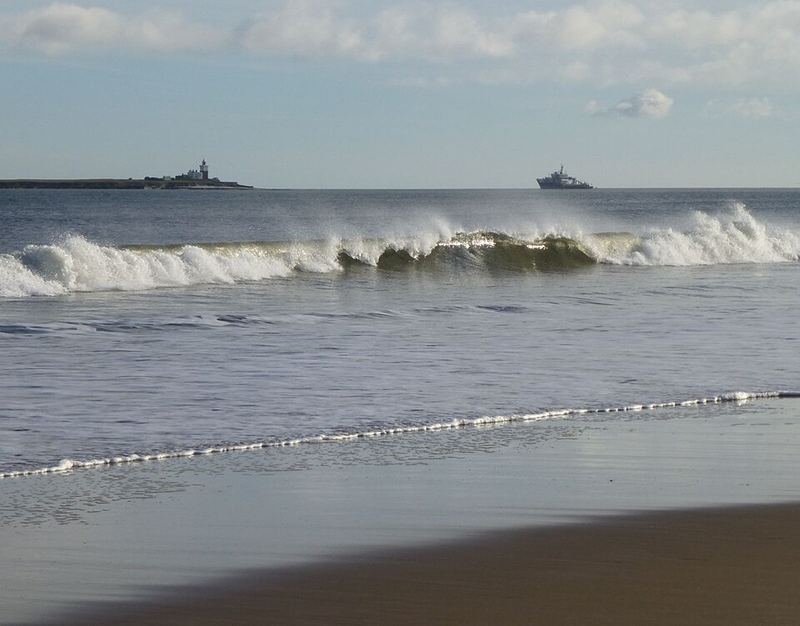
Seawater costs more water to pass than it gives 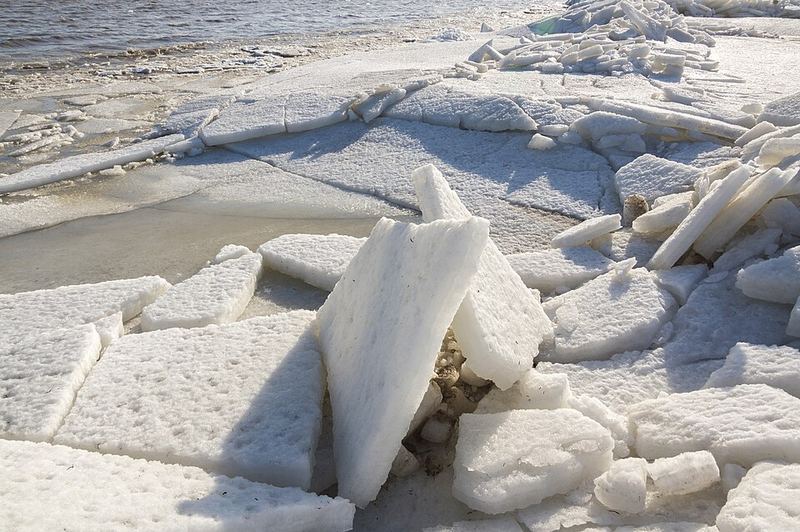
New sea ice is white and still full of salt Never blood or fish juices. They are rich in salt and protein, which take water to digest. The MWTC handbook says blood counts as food, not drink. Your body has to use water to digest it.
Never alcohol. It dries you out and dulls the judgment you need most. Alcohol dries your body out, lowers your body heat and clouds your thinking. In deep cold, the MWTC handbook warns, a liquid colder than freezing can freeze your throat.
Never milky or colored plant sap, and never a plant you cannot name. Clear, watery sap from a known vine is the exception the manuals allow. Milky, sticky or bitter sap can be poisonous, and the manual says even good sap spoils after about a day. If you do not know exactly what a plant is, leave it alone.
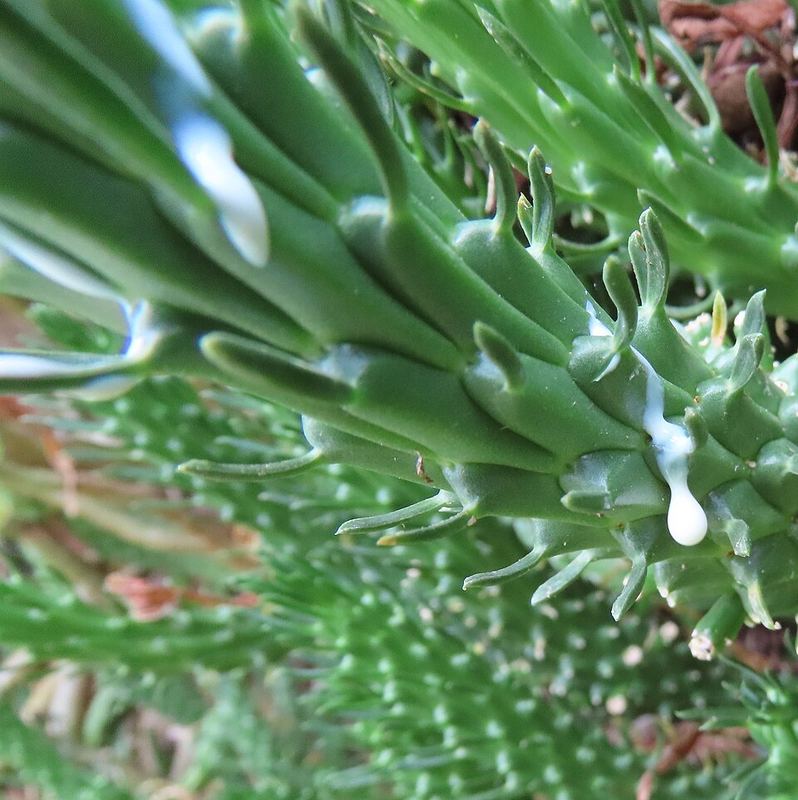
Milky sap means leave the plant alone Watch your urine. Pale yellow means you are keeping up. Dark yellow or brown means drink now, before you feel thirsty. Urine color is an easy check you can do without any gear. Light means you are drinking enough. Dark yellow, brown or a very strong smell means drink now. Peeing very little is a warning too.
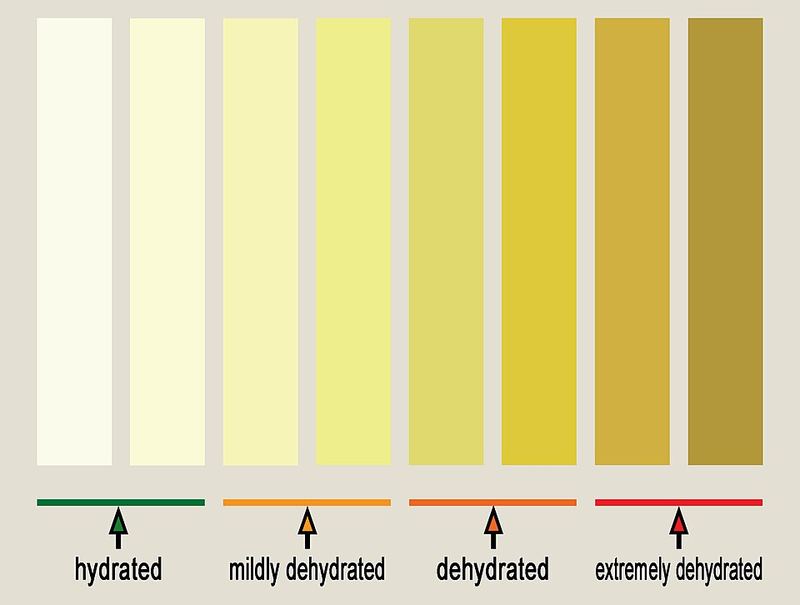
Pale is fine; dark means drink now Early signs of drying out: thirst, headache, dark urine, tiredness, irritability. Later: dizziness, no sweating, confusion. Rest in shade and sip, do not gulp. FM 21-76 lists the signs of being 5 percent short: thirst, irritability, sick stomach and weakness. At 10 percent come dizziness, headache, trouble walking and tingling arms and legs. Most people cannot drink more than about a quart (1 liter) at a time, so small, steady sips work better than gulping.
Ration sweat, not water. Work in the cool hours, stay in shade, keep clothes on to slow evaporationevaporation Water turning into vapor (a gas) and floating off. It carries heat with it, which is why wet skin and clothes cool you fast., and drink what you have when you need it. Sweat is the water your body spends to cool itself. Shade, rest and keeping your clothes on hold that sweat against your skin so it cools you longer. The desert chapter of FM 21-76 says not to ration water you have; drinking at regular times keeps you cooler and is safer than saving it.
Shade and rest slow the water you lose
Tips from survival instructors
- Ration sweat, not water. Drink what you have when you are thirsty, and save your body water by resting in the shade in the heat of the day.
- Clear, pale urine means you are drinking enough. Dark yellow means drink more.
Common mistakes
- Waiting until you are thirsty to drink. Fix: drink small amounts every hour, even when you do not feel thirsty.
- Rationing the water you carry in the heat. Fix: FM 21-76 says drink it as you need it and save sweat instead, by resting in the shade during the hottest part of the day.
- Drinking lots of coffee when water is short. Fix: TC 21-3 says it passes through you quickly; water should be your first choice.
- Taking off your shirt to cool down in the sun. Fix: keep your clothes on, cover your head and neck, and sit in shade off the hot ground.
- Eating a big meal when water is scarce. Fix: the manual says digestion uses water, so hold off on food until you have water.
- Ignoring a friend who is tired, cranky or wandering off. Fix: those can be early signs of dehydration or heat injury. Get them into shade, have them sip water and rest, and call 911 if they get confused or dizzy.
Practice it safely
For one ordinary day, notice your urine color in the morning, after lunch and in the evening. Then do the same on a hot day or after sports. You will learn what "keeping up" looks like for you.
On your next hike, set a timer to take a few sips every hour, even if you are not thirsty. Notice how you feel at the end compared with a day when you only drank when thirsty.
Quick check
Your urine is dark brown. What does it mean?
- You are fine
- You are already short of water; drink now
- You drank too much
Show the answer
You are already short of water; drink now
Take the quiz and earn the badge
The app checks your answers, keeps your place in the Water, and works with no signal once saved.
Before you rely on thisA learning tool, not a replacement for training. In an emergency, call 911.
Sources
- Military Survival and Rescue Guide, page 70 (do not drink list, urine color)
- Marine Corps Winter Survival Handbook, page 10 (hazardous fluids)
- US Army Survival Manual, pages 67 and 75
- Military Survival and Rescue Guide, pages 70 (do-not-drink list, pale urine) and 72 (old and new sea ice table)
- Marine Corps Winter Survival Handbook, page 10 (seawater, alcohol, blood, dehydration percentages)
- US Army Survival Manual, pages 21 to 22 (dehydration signs, thirst at 2 percent, 1 liter at a time, conserve sweat), 74 to 75 (milky or bitter liquid, sap spoils after 24 hours) and 174 to 177 (desert: shade, keep clothes on, do not ration water, urine color)
- Army Cold-Weather Survival Handbook, page 39 (dark urine, coffee, dehydration care)