← Outdoor Survivalist Trainer Your area

Trapping and fishing · Trapping and catching food course

Where to set a trap so it works

The manual's first lesson about traps is that a perfect snaresnare A trap made of a loop of wire or cord that tightens around an animal that walks or pokes its head through. catches nothing in the wrong place. There is no trap that works for every animal. You pick the animal from the sign you find, then put the trap where that animal already goes.

Why this matters

The manual is blunt: several well-placed traps can catch more than a person with a rifle, and a perfect trap in the wrong place catches nothing. Placement is most of the skill.

Every step here, from reading sign to hiding your scent, is also how wildlife watchers and photographers get close to animals, so you can practice it any day without catching anything.

Step by step

  1. Find out what lives here. Look for runs and trailsgame trail A narrow path worn through grass or brush by animals using it over and over. A trap goes on a trail an animal already uses., tracks, droppingsscat Animal droppings. Fresh, moist scat means the animal used this spot recently. Never touch it with bare hands., chewed or rubbed plants, nests and roosts, and feeding and watering spots.
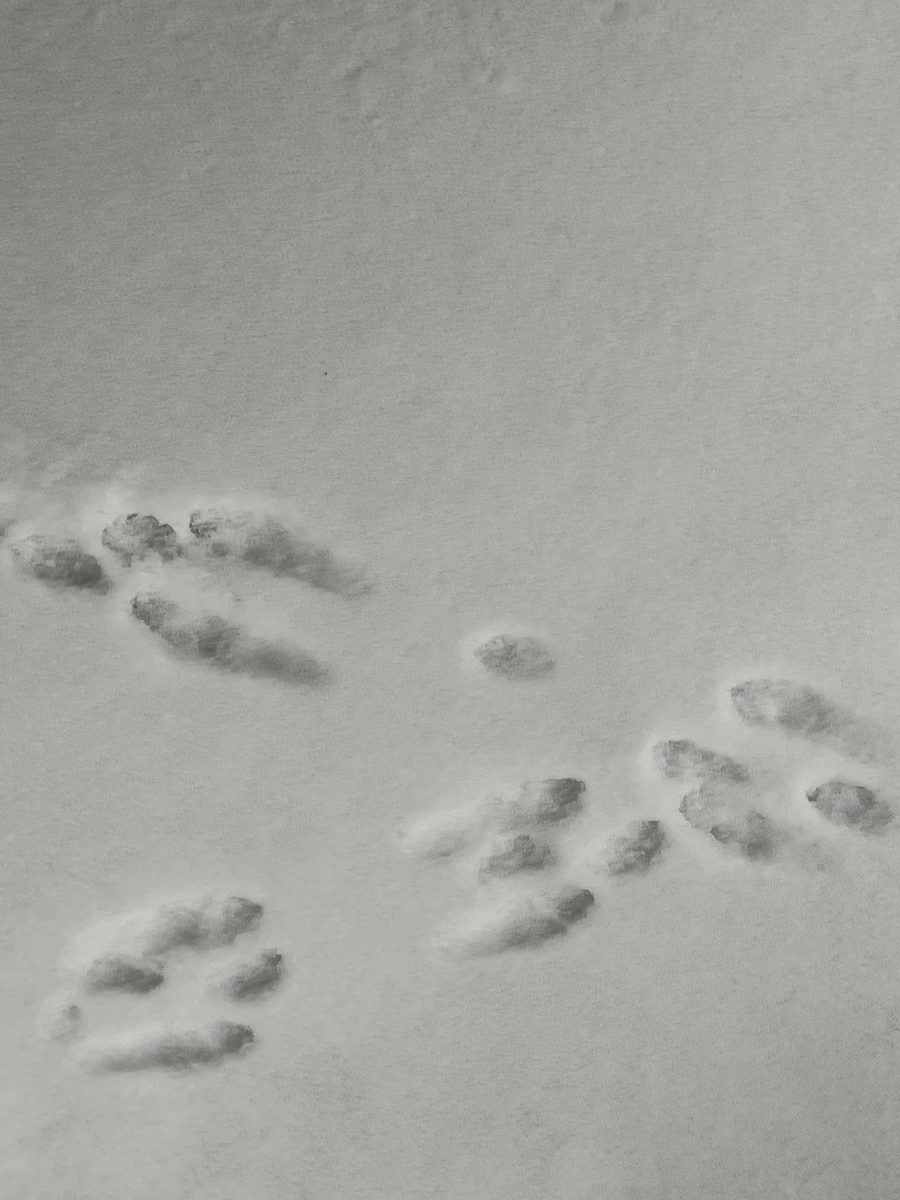
    Rabbit tracks in snow
    Fresh tracks show where animals travel
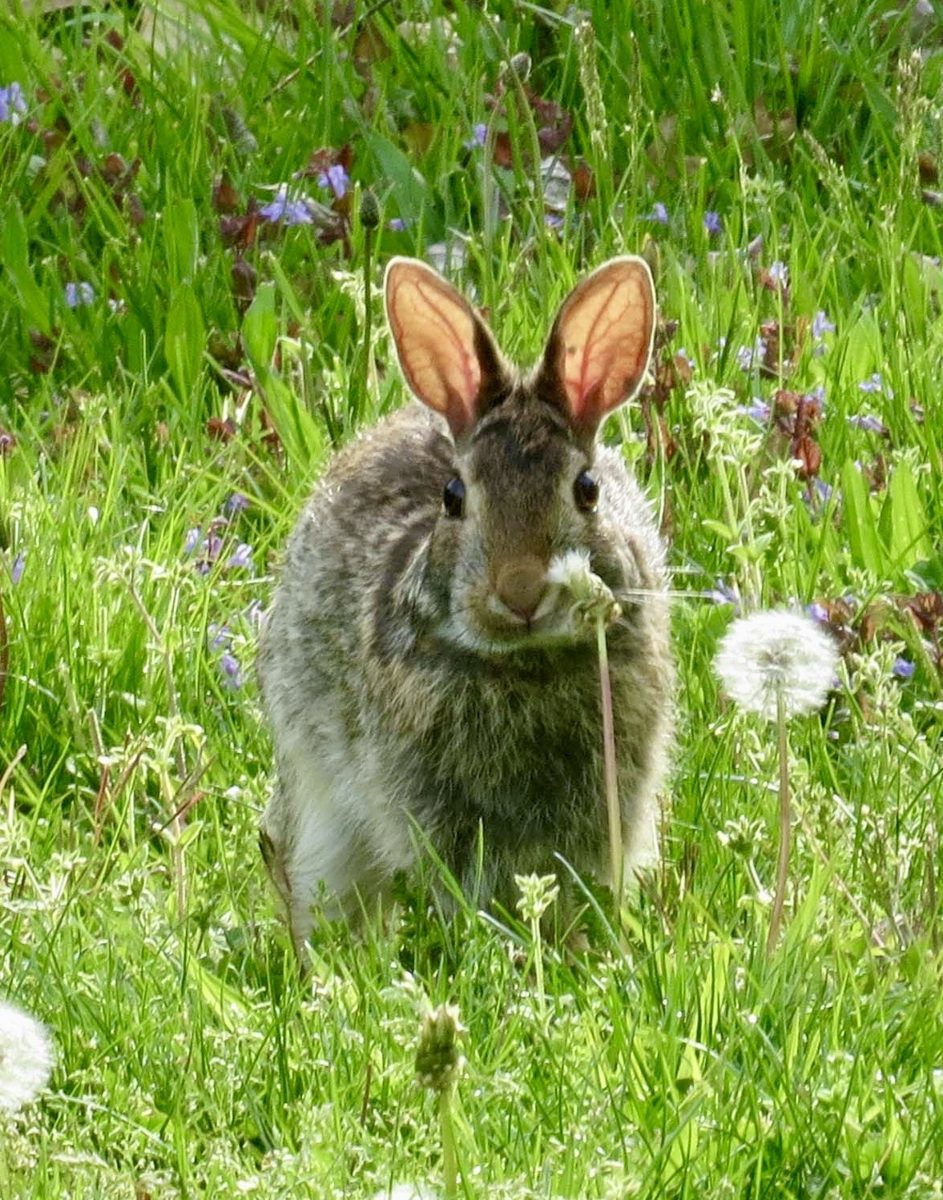
  2. Tell a trail from a run. A trail is wide and plain and shows sign from several kinds of animals. A run is smaller and fainter and shows sign from only one kind. A run tells you exactly who passes.

    A cottontail rabbit in grass
    Rabbits wear small runs through grass and brush
  3. Animals move between bedding spots, water and feeding spots. Set traps on the paths between them, not at random in the woods.

  4. Do not alarm the animal. Make the trap parts away from the spot, carry them in, and set them up. If you dig, carry away all the fresh dirt. Animals avoid pits by instinct.

  5. Do not use freshly cut green woodgreen wood Wood cut from a living tree, still full of sap. It will not burn easily, which is why it makes the base under a fire on snow and the reflector wall behind one.. It bleeds sap with a smell animals notice.

  6. Hide your scent. Most mammals trust their nose more than their eyes. Coat your hands and the trap with mud from rotting leavesdebris Dry leaves, pine needles, grass and ferns. Piled deep they trap still air, which is what keeps you warm., or hold the parts in smoke from a fire. Never use your own urine. If you have time, let the trap weather for a few days without touching it.

  7. Channel the animal. Lay sticks and brush in a funnel along the run so the narrow end, just wider than the animal, leads into the trap for at least one body length. Few animals back up; they keep walking forward.

  8. Bait helps, but only with food the animal knows that is not already all around. Corn in a corn field draws nothing. Peanut butter and salt work on small mammals. Scatter a few bits nearby so the animal gets a taste first.

  9. If something takes the bait and is not caught, work out what it was from its sign, then set a trap made for that animal with the same bait.

Tips from survival instructors

  • Animals often avoid human smell. Handle trap parts with gloves or rub your hands with dirt or smoke to hide your scent.
  • Set traps where the trail narrows between rocks or logs, so the animal has to pass through the loop.

Common mistakes

  • Setting a trap on a busy trail used by people or dogs instead of a narrow animal run.
  • Cutting green branches on the spot. The sap smell warns animals off.
  • Handling parts with bare, soapy or bug-sprayed hands.
  • Baiting with food that is already everywhere nearby.

Practice it safely

Walk a park edge or field border and find one run. Follow it both ways and guess where it leads: water, cover or food. Photograph the sign you find and use Identify in this app to check it.

Build a small brush funnel on a run, photograph it, then take it down and scatter the sticks. That is the whole practice.

Quick check

Why build a funnel of brush toward a trap?

  • To keep rain off
  • Animals keep walking forward, so the funnel leads them in
  • It makes the trap stronger
Show the answer

Animals keep walking forward, so the funnel leads them in

Take the quiz and earn the badge

The app checks your answers, keeps your place in the Trapping and catching food, and works with no signal once saved.

Before you rely on thisA learning tool, not a replacement for training. In an emergency, call 911. Do not eat any plant, berry or mushroom here. This app never tells you a wild food is safe.

Sources

Photo credits
Photo: toad-wife, CC BY 4.0, sourcePhoto: Sandy Wolkenberg, CC BY 4.0, source

More on trapping and fishing