Food guide
Muskrat and beaver: catch, clean and cook
Muskrats live in every cattail marsh and beavers in the bigger creeks; both eat only plants, and their dark meat is rich and good.
Page numbers below are from the US Army Survival Manual (FM 21-76) unless another source is named. Each one opens that page.
In many states, muskrats and beavers are furbearers. They may be trapped only in their trapping seasons, with a hunting license and a fur taker permit, using legal traps set the way the rules say. Beaver season is shorter than muskrat season. Snares and deadfalls on land are illegal. Check this year's state rules.
Ways to catch it
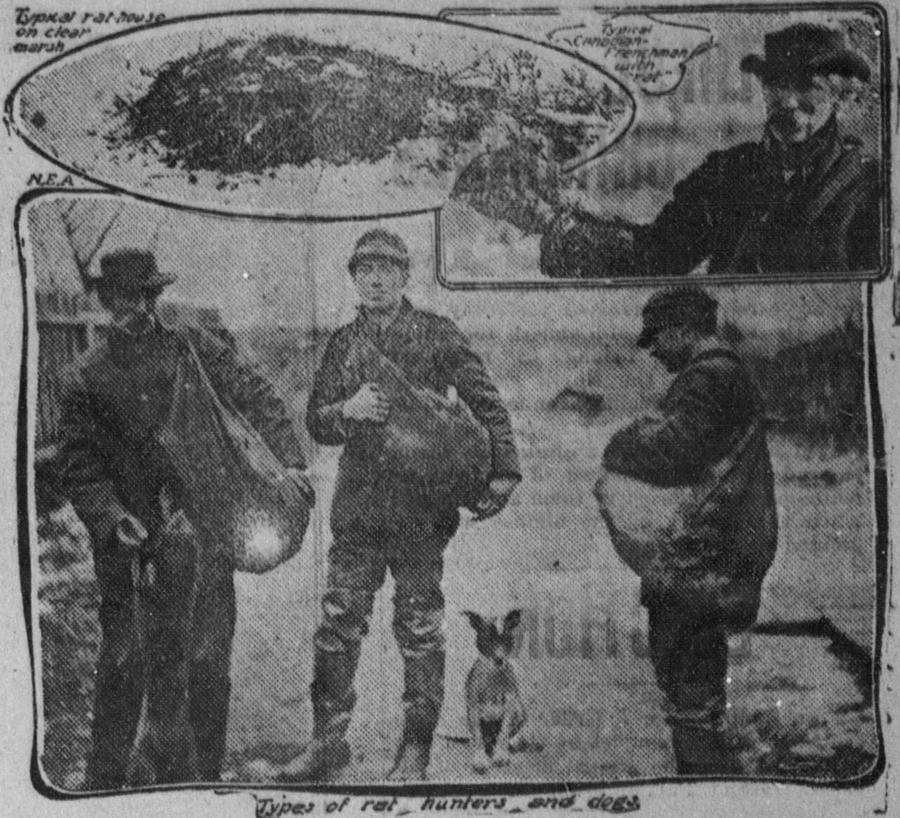 Legal trapping in seasonLicense and season
Muskrats leave feed piles of cut cattails, dome houses of reeds and narrow swimming paths. Beavers leave dams, lodges and pointed, chewed stumps. A licensed trapper sets legal traps on the paths they swim every day.
Needs a hunting license and fur taker permit, in season, with legal traps. Check this year's rules for trap types and where traps may go.
p. 99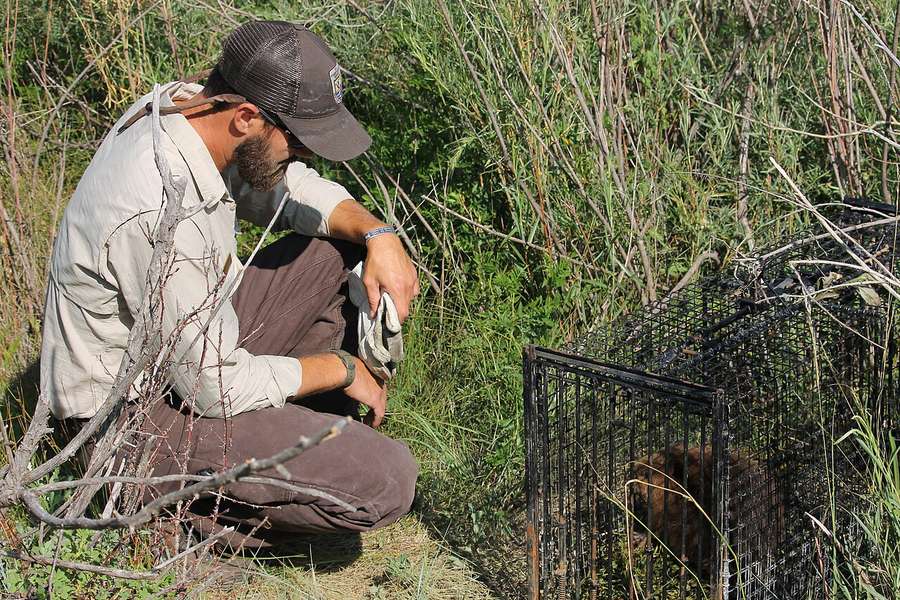 Live trapLicense and season
Wildlife workers catch beavers in large cage traps set on the bank where they come out of the water.
Needs the same license, permit and season. Check this year's rules.
p. 99The manual puts a wire loop where a run (a narrow path one kind of animal uses) is easy to see, and narrows the path with sticks so the animal walks into the loop.
Snares are illegal for this in many states. Build the trigger on a table to learn how it works, then take it apart. Never set it outdoors.
p. 101Clean it, step by step
Wear gloves. Muskrats and beavers can carry tularemia (general food safety, not the manual).
p. 121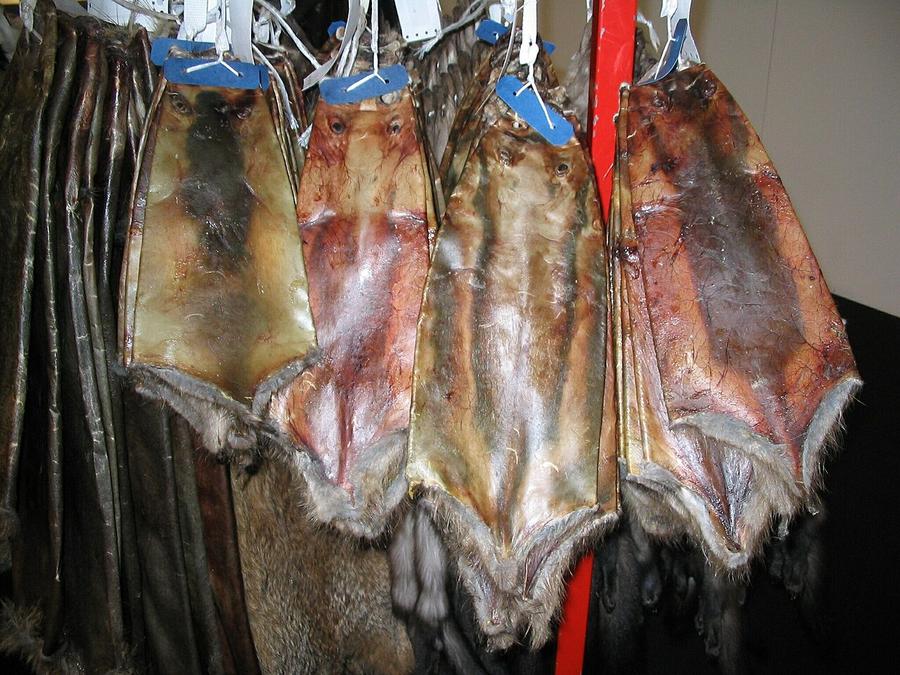
Cut off the feet and tail (keep a beaver tail to cook). Slit the skin across the back legs and peel it toward the head like a sock (how trappers skin muskrats, not the manual).
p. 121Muskrats have two musk glands near the tail, and beavers have castor glands and oil glands near the tail. Cut them out whole without breaking them, or the meat will taste bad (where they are: general trapper practice; removing musk glands is in the manual).
p. 121Open the belly and pull out the guts, chest too. Pinch off the bladder and cut below your fingers.
p. 122Check the heart and liver for worms and spots. Keep them if they look smooth, wet and dark red.
p. 122Cut off the head. Cut a beaver into legs, back and ribs; the front legs come off with no joint, and the back legs pop out at the hip.
pp. 122 to 123Trim off the fat, which tastes strong. To keep meat longer, soak it in salt water that covers it (the manual's brine), and wash the salt off before cooking.
p. 125
Cook it, step by step
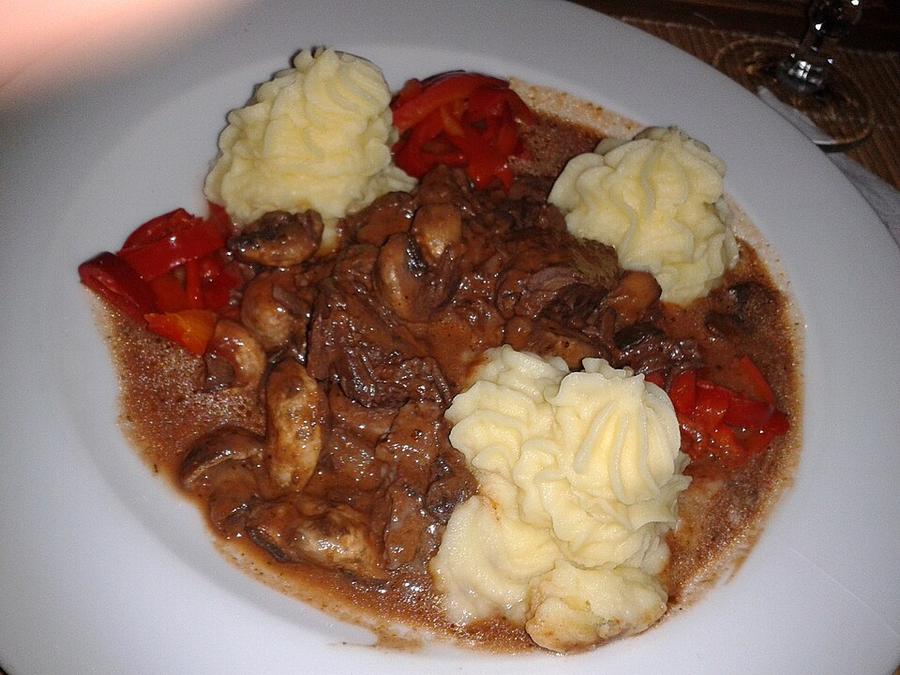
Boil or stew the meat until tender. Beaver is a big animal, so cook big pieces slowly.
p. 123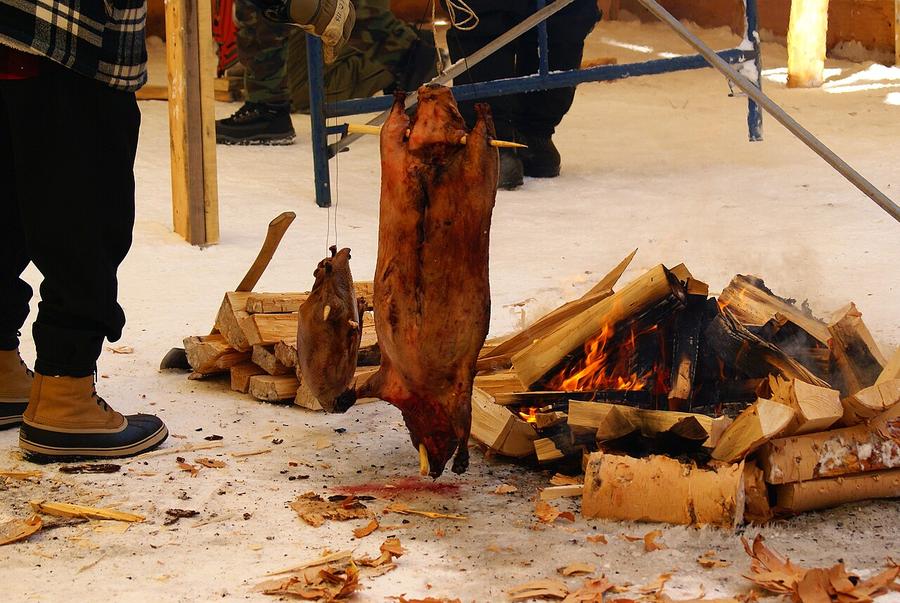
Or roast pieces over coals on a spit, turning them, until well done.
p. 123Beaver tail: hold it over the fire until the scaly skin blisters, peel the skin off, then boil or roast the fatty meat inside (general knowledge, not the manual).
Cook to 165 F inside (general food safety, not the manual).
Military Survival and Rescue Guide, page 87
Stay safe
- Beavers have huge teeth and bite hard. Never grab one. p. 99
- Wear shoes when wading, and do not reach into dark holes in banks. Military Survival and Rescue Guide, page 82
- Do not drink creek or pond water near beaver dams without making it safe first (general knowledge, not the manual).
The app shows what has been seen near your ZIP code, with photos, and can read a photo you take.