Before any plane arrives, know how to use every signalsignal Anything in threes means help: three fires, three whistle blasts, three piles of rocks. you have and have it ready on short notice. Planned, practiced signals improve your chance of rescue. When a plane comes, there is no time to search your pack or figure out how something works. Lay out what you have in one place and practice each signal once while you wait.
Signals and rescue · Signals and rescue course
When the plane is close
The moment a search plane comes near is the moment most signals are wasted. The manual tells you what a pilot can actually see, when to use body signals, how the pilot answers, and what to do if you have a radio.
Why this matters
Searchers may spend days looking, and the plane may be close for only a minute. If your signals are not ready, or you use them the wrong way, that minute can slip away.
The manual's plan for that moment is simple: get the pilot's attention, wait for the pilot to show they have seen you, then send your next message. A pilot who knows exactly where you are, how many of you there are and whether anyone is hurt can bring the right help.
What you need
- Whatever signals you already have: a mirror, bright cloth, a fire ready to light, a flashlight.
- Your body. Body signals need no gear at all.
- A radio if you have one. Most people will not, and the rest of the lesson still works without it.
Step by step
A pilot sees contrastcontrast How much something stands out from what is behind it: dark on light, bright color on green, straight lines in a natural place. and pattern first: geometric shapes, a fire or flash, a large bright object moving slowly, color or shadow against the background. Movement helps; flashing a bright panel is easier to spot than a panel lying still. A pilot is looking down at a huge area. Shapes, a bright spot or something moving stand out from the land. Waving a bright cloth is easier to see than the same cloth lying flat.
Body signals: the manual's Figure 19-7 shows positions a pilot understands, and its one rule in the text is to use them only when the aircraft is close enough for the pilot to see you clearly. Learn them from the figure before you need them. Body signals are positions of your arms and body that mean set messages. From far away a pilot cannot make out your arms, so save them until the plane is close and low. The figure in the manual shows the positions; learn them before you go out.
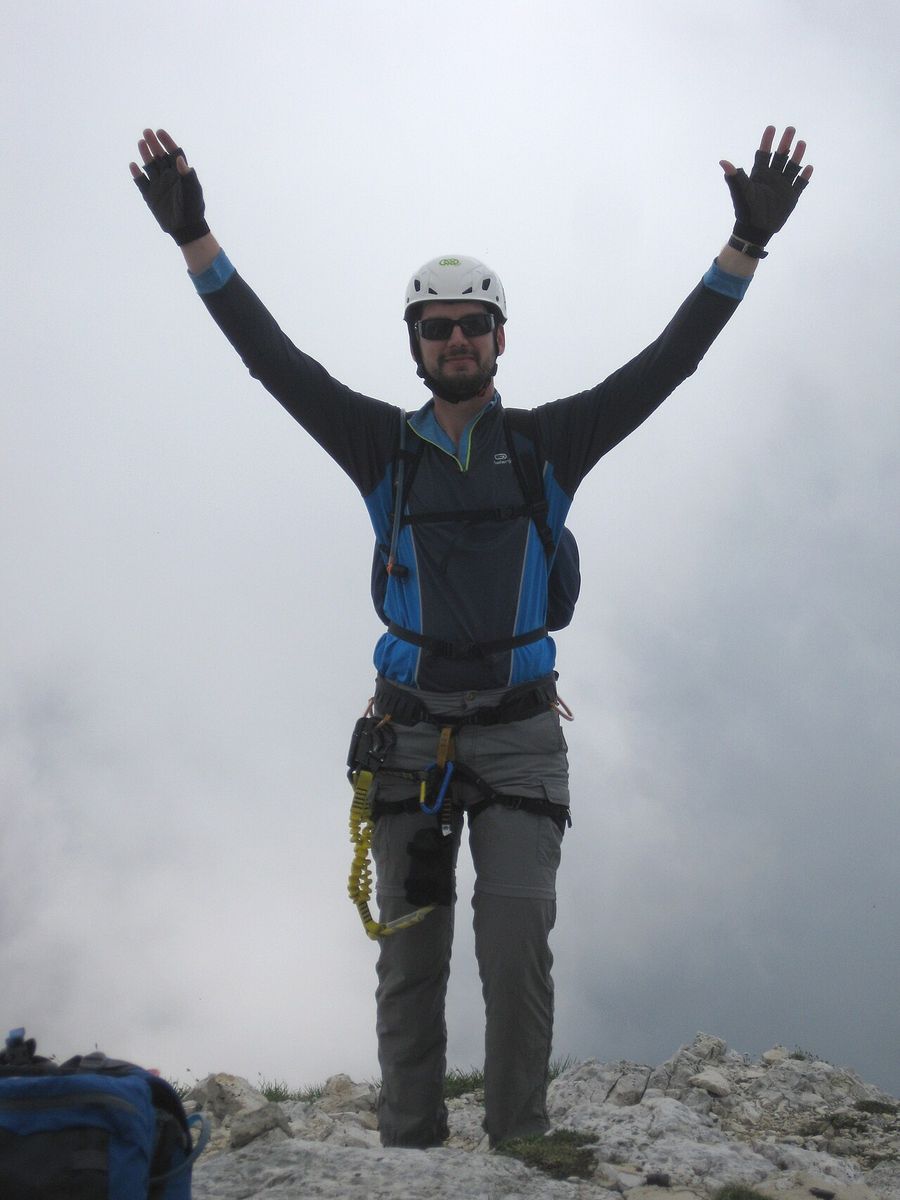
Both arms raised: the body signal that you need help With a signal mirror, aim at the aircraft and hold the flash steady, never rapidly, and never on the cockpit for more than a few seconds. Aim the flash at the plane and keep it steady. Quick flashes can look like gunfire, and a beam held on the window can blind the pilot. A few seconds is enough for the pilot to notice.
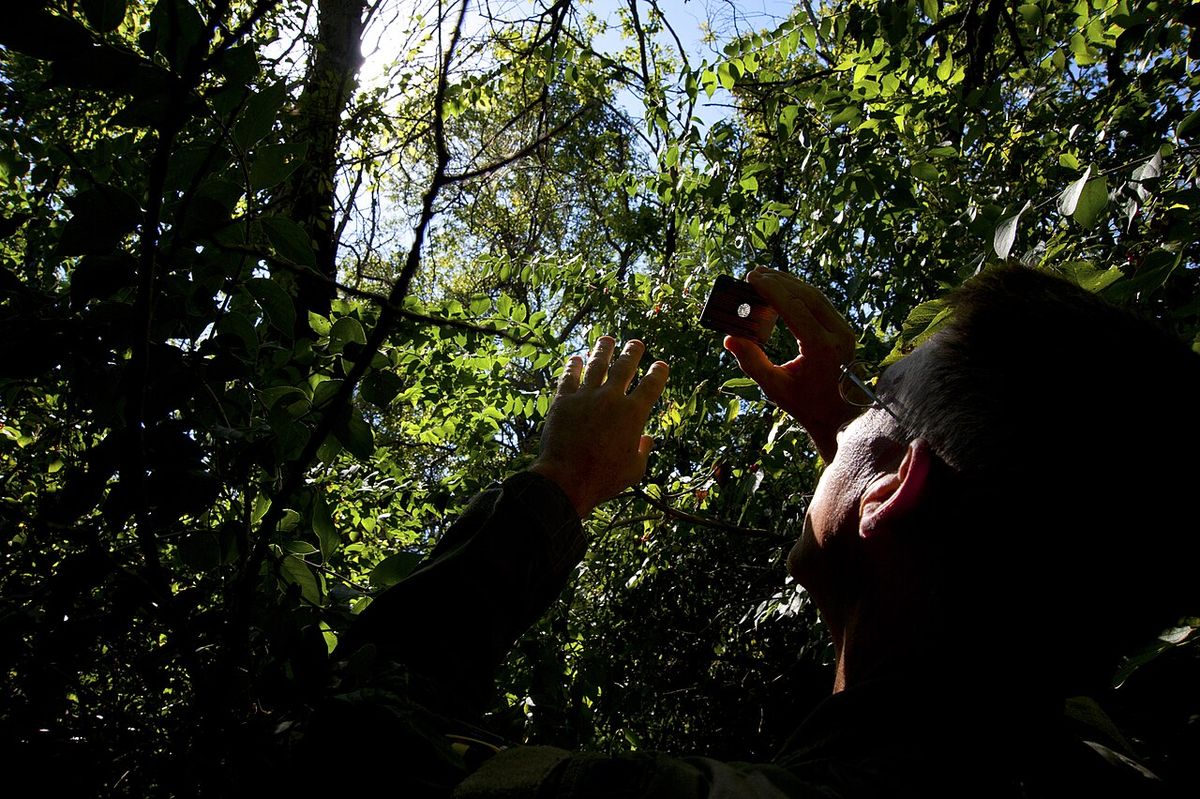
Aim the mirror at the aircraft and hold the flash steady A fixed-wingfixed-wing An airplane with wings that do not move, as opposed to a helicopter. pilot who has seen you will normally say so by flying low, moving the plane and flashing lights. Watch for it. This is how a pilot answers you. Seeing the plane come in low, rock from side to side or flash its lights means your first message got through.
Once the pilot acknowledges your first message, be ready to send the next: the ground-to-air symbolsground-to-air Big symbols on the ground that a pilot can read from above, like a V for "need help.", SOSSOS The world’s distress signal: three short, three long, three short, in flashes, sounds or marks on the ground. by light, or a radio if you have one. Once you know you have been seen, give more information. A ground-to-air symbol can say what you need. A radio, if you have one, can tell them much more.
With a radio, guide the pilot in this order: Maydaymayday The spoken word for a life-or-death emergency on a radio. Say it three times., Mayday; call signcall sign The name a radio user goes by on the air. If you have none, use your name. if any; your name; your location; how many of you; possible landing sites; and anything urgent such as medical help needed. Mayday is the word every pilot knows means a life is in danger. Say it twice at the start. The rest of the list gives the pilot what rescuers need to plan: who you are, where you are, how many people, where they could land, and anything urgent such as someone who is hurt.
A radio is line of sight. Transmit from clear, open ground, keep the antenna at right angles to the aircraft, and never let it touch your body, clothing, foliage or the ground. Turn it off between uses to save the battery, and in the cold keep the battery inside your clothing. Line of sight means the radio signal goes in a straight line, so a hill or thick trees between you and the plane block it. The tip of the antenna sends almost nothing, which is why it should point sideways to the plane, not at it. Touching the antenna to anything cuts the range. Cold drains batteries fast, so keep the battery warm.
If a landing pickup is possible, the recovery manual wants an area about 150 feet across, free of obstructions, flat and level. Pack and secure your gear so you are ready to move. A helicopter or small plane needs a clear, flat, level space to land, about 150 feet (46 meters) across. Pack your gear and tie down loose items so you are ready to go, because loose things can be caught by the spinning blades.
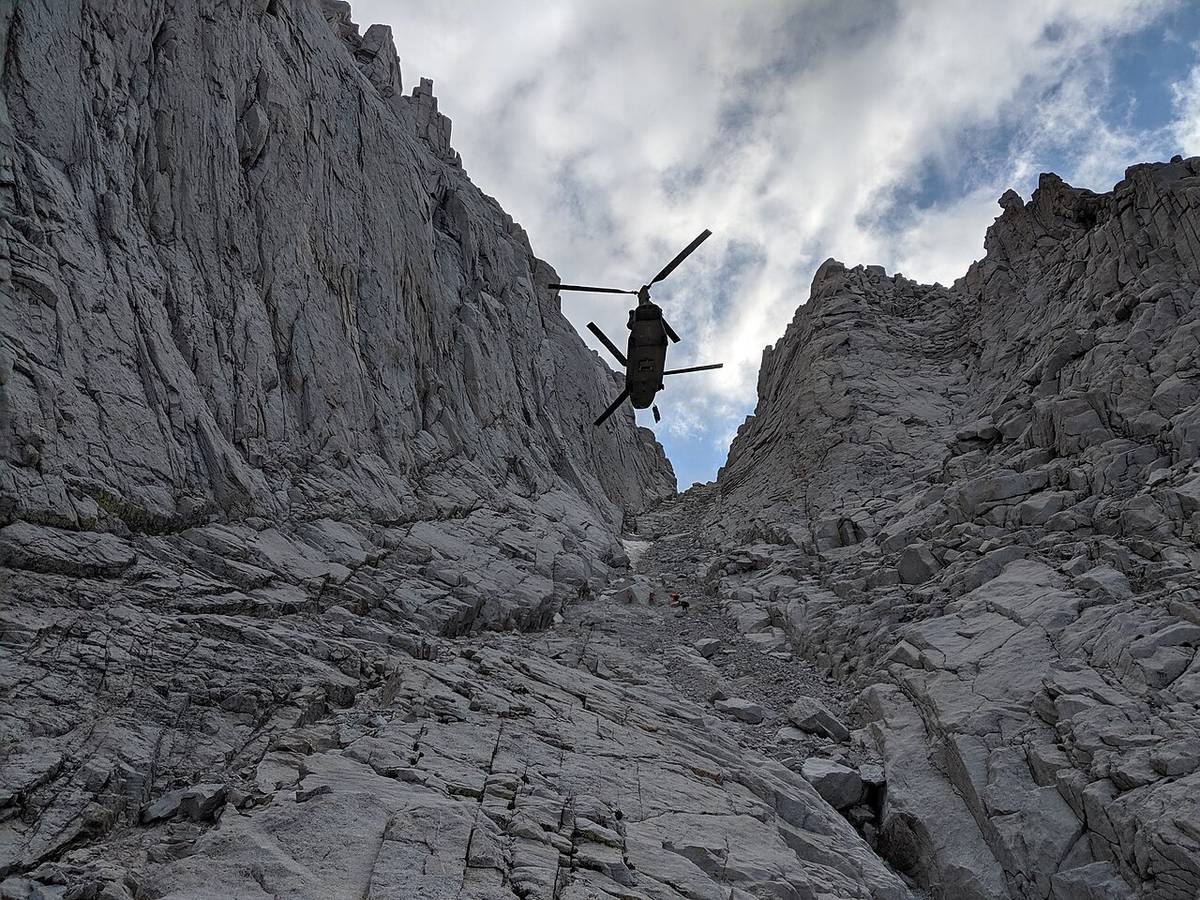
Where no landing is possible, the pickup comes by hoist Making contact is not the same as being safe. Follow instructions and keep up your survival routine until you are actually rescued. Rescuers may tell you to wait, move to a spot, or stay where you are. Keep your fire, water and shelter going until you are actually picked up.
Tips from survival instructors
- Keep a signal fire ready to light, with green leavesdebris Dry leaves, pine needles, grass and ferns. Piled deep they trap still air, which is what keeps you warm. or grass beside it to make thick smoke in daylight.
- Stand in the open and wave both arms over your head. One arm waving can look like a friendly hello.
Common mistakes
- Using body signals when the plane is far away. Fix: wait until it is close enough for the pilot to see you clearly.
- Flashing the mirror rapidly or holding it on the cockpit. Fix: steady flashes, and only a few seconds on the cockpit.
- Missing the pilot's answer. Fix: watch for low flying, rocking and flashing lights, and have the next message ready.
- Holding a radio antenna against your body or pointing its tip at the plane. Fix: keep the antenna at right angles to the aircraft and touching nothing, and transmit from open ground.
- Running toward a landed helicopter or plane. Fix: the recovery manual says do not approach until told to, watch out for spinning rotorsrotors The big spinning blades on top of a helicopter (and the small one on the tail). They can kill. and propellers, and secure loose gear.
- Stopping your routine once you are seen. Fix: keep up shelter, water and signals until you are actually rescued.
Practice it safely
Look up the body signal figure in the manual and practice the positions with a friend across a yard or field. Have them step back until they can no longer tell the positions apart; that shows you why body signals only work when the plane is close.
Practice the radio call out loud so the order sticks: Mayday, Mayday, call sign, name, location, number of people, landing sites, anything urgent. Then pace out a circle about 150 feet (46 meters) across in a park field to see how much open space a landing really needs.
Quick check
The pilot has rocked the wings and flashed the lights. What does it mean?
- Nothing
- The pilot has seen you; get the next message ready
- The pilot is leaving
Show the answer
The pilot has seen you; get the next message ready
Take the quiz and earn the badge
The app checks your answers, keeps your place in the Signals and rescue, and works with no signal once saved.
Before you rely on thisA learning tool, not a replacement for training. In an emergency, call 911.
Sources
- US Army Survival Manual, pages 259 to 260, 264 to 271 (what gets attention, mirror cautions, radio procedures, body signals, aircraft acknowledgments, vectoring)
- Military Survival and Rescue Guide, page 36 (recovery site selection)
- US Army Survival Manual, pages 259 to 260 (attention-getters, know your signals and have them ready, practice before you need them)
- US Army Survival Manual, pages 264 and 266 to 271 (mirror cautions, radio procedures, body signals, aircraft acknowledgments, vectoring format, contact is not rescue)
- Military Survival and Rescue Guide, page 36 (landing site about 150 feet across, pack and secure equipment, do not approach until instructed, rotors and propellers)