Stress is normal and even useful; it sharpens you. Too much becomes distress. The signs the manual lists: trouble making decisions, angry outbursts, forgetfulness, low energy, constant worrying, mistakes, carelessness, withdrawing from others, and thoughts about death. Stress is your body getting ready to act: faster breathing, tighter muscles, sharper hearing and eyesight. A little helps you focus. Too much becomes distress, and the signs in the step are how you spot it in yourself or someone with you. Noticing them is the first step to calming down.
First hour · Before you go course
Fear, loneliness and the will to live
The manual opens its chapter on the mind with a plain fact: some people with no training have survived, and some trained people have died. Skills matter; the will to survive is essential. This lesson is about the feelings that show up and what to do with them.
Why this matters
The manual opens its chapter on the mind with a plain fact: some people with little or no training have survived, and some trained people have died. Skills matter, but the will to survive is essential. What you think and feel in a hard moment changes what you do next.
Strong feelings are normal in a scary situation. The manual calls them "natural reactions to this unnatural situation" and says they can help you or hurt you. Knowing them ahead of time lets you name them when they show up and turn them into action instead of letting them take over.
What you need
- Nothing to carry. This lesson is about your mind.
- Helpful: a task list, even one you keep in your head, and something that reminds you of people you love, such as a photo.
Step by step
Stressorsstressors Things that put strain on your body or mind, like pain, cold, hunger, fear or being alone. add up, and they do not wait their turn: injury or illness, uncertainty, the weather and terrainterrain The shape and kind of the land: hills, valleys, rock, swamp, forest., hunger and thirst, fatigue, and being alone. Expect them and plan how you will handle each one. A stressor is anything that causes stress. The manual says stressors are not polite: a new one does not wait for the old one to leave, and small ones add up. Thinking ahead about which ones you might face, and what you would do about each, is half of handling them.
Fear is the natural response to danger, and there is no shame in it. It can keep you careful. It can also freeze you so you do not do what keeps you alive. The goal of training is not to remove fear but to be able to act despite it. Fear is what you feel when you think you might be hurt. It is useful when it makes you careful and harmful when it freezes you. The manual says there is no shame in it. Training is about learning to act while you are afraid.
Anxiety comes with fear. The manual's answer is to do the tasks that get you through: as you work on shelter, water and signals, the anxiety drops and the fear behind it comes under control. Anxiety is the uneasy, worried feeling that comes with fear. The manual's cure is action: each task you finish, like building a bed or laying out a signalsignal Anything in threes means help: three fires, three whistle blasts, three piles of rocks., shrinks the worry and the fear behind it. If your thoughts are racing, pick the smallest next job and do it.
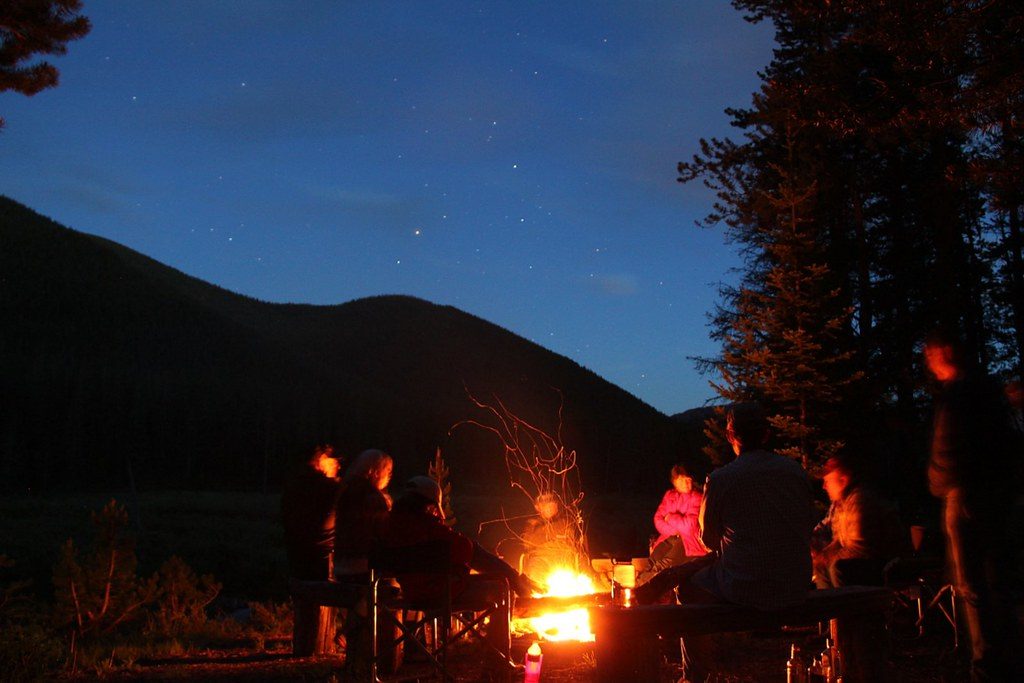
Working on fire and shelter turns fear into action Frustration and anger come when plans go wrong, and they push you toward impulsive, badly thought-out moves and an "I quit" attitude. Put that energy into the next task instead of wasting it. Frustration is what you feel when things keep going wrong, and anger often grows out of it. The manual says they push people into rash choices and an "I quit" attitude. When you feel it, stop, breathe, and aim that energy at the next useful job.
Sadness is normal. Depression is sadness that has become "there is nothing I can do." The manual says resist it, and that thinking of the people you love can give you the drive to try harder and live one more day. Feeling sad is normal, and the manual says thinking about people you love can give you the drive to try harder and live one more day. Depression is when sadness turns into "there is nothing I can do." The fix is to find one thing you can do and do it.
Loneliness and boredom can sink you, or they can show you strength you did not know you had. Keep your mind productively occupied and build confidence that you can go it alone. Being alone can be hard, but the manual says it can also show you strength and talents you did not know you had. Keep your mind busy with useful work: improve the shelter, gather wood, practice your signals. Trust that you can manage on your own.

Keep your mind busy through long, lonely nights Guilt about surviving when others did not is common. Do not let it stop you from living; giving up accomplishes nothing. Survivors sometimes feel guilty that they made it when others did not. The manual says do not let that feeling stop you from living. Some survivors use it as a reason to keep going.
Prepare now: know yourself, anticipate what would frighten you most and train for it, be realistic (hope for the best, prepare for the worst), look for the good in your situation, and remember what is at stake. These are the manual's tips for getting your mind ready before anything happens. "Anticipate fears" means picturing what would scare you most and practicing that skill now. "Be realistic" means seeing things as they are. "Look for the good" keeps your spirits up and your ideas flowing.
Learn to manage stress: relaxation, keeping to a routine, and controlling how you view the situation. The manual ends with this: the will to survive is also the refusal to give up. Stress management means skills you can practice to stay calm. The manual names relaxation, using your time well (keeping to a routine), speaking up for what you need, and controlling how you see the situation. The last line of the chapter is the one to remember: the will to survive is also the refusal to give up.
Tips from survival instructors
- Talk to yourself in a calm voice and make a plan out loud. It helps keep panic down.
- Set small goals: the next hour, the next job. Finishing small tasks keeps your spirits up.
Common mistakes
- Pretending you will not be afraid. The fix: the manual says expect fear and train to act despite it.
- Letting anger drive a rash choice, like walking off in the dark. The fix: pause, then put the energy into the next task.
- Sitting still with worried thoughts. The fix: do the tasks that keep you alive; each one lowers anxiety.
- Expecting rescue in an hour. The fix: hope for the best, prepare for the worst, and plan as if it might be longer.
- Giving up before your body does. The fix: remember what is at stake and the people waiting for you.
Practice it safely
Write down the three things that would scare you most if you were lost, such as the dark, being alone, or cold. Pick one and practice the skill that answers it, like a backyard campout with a flashlight and a whistle. The manual says the more realistic the training, the less overwhelming the real thing will be.
Practice calming skills in everyday stress, like before a test or a game: slow your breathing, make a short list of what to do next, and do the first thing on it. If you or someone you know ever has thoughts of suicide, call or text 988 in the US, or call 911 in an emergency. This app is a learning tool, not medical or mental health care.
Quick check
What does the manual say the will to survive also is?
- Good luck
- The refusal to give up
- Physical strength
Show the answer
The refusal to give up
Take the quiz and earn the badge
The app checks your answers, keeps your place in the Before you go, and works with no signal once saved.
Before you rely on thisA learning tool, not a replacement for training. In an emergency, call 911.
Sources
- US Army Survival Manual, pages 9 to 16 (psychology of survival)
- US Army Survival Manual, pages 9 to 16 (psychology of survival: stress, distress signs, stressors, fear, anxiety, anger and frustration, depression, loneliness and boredom, guilt, preparing yourself, stress management, the refusal to give up)