Sun first: most vegetables need 6 to 8 hours of full sun a day. Watch your yard for a day before you pick the spot.
Home Prep · Home Prep: grow and make course
Start a survival garden: easy vegetables and beans
A small garden grows real food and real skills. Start small, in the sunniest spot you have, with crops that are hard to kill. Beans are one of the best: they grow fast, feed the soil, and can be eaten fresh or dried for winter.
Why this matters
A garden turns a few dollars of seed into food you can count on, and teaches skills that matter if store shelves ever rungame trail A narrow path worn through grass or brush by animals using it over and over. A trap goes on a trail an animal already uses. short.
Starting small with easy crops is how most gardeners succeed in their first year.
What you need
- A sunny spot, compostcompost Rotted plant scraps and leaves that turn into dark, crumbly soil food., seeds, a hose or watering can, and mulchmulch A layer of wood chips, pine needles, leaves or straw spread on top of the soil. It holds in water and blocks weeds..
- A soil test kit from your county extension office.
A weekend to set up a bed; 15 minutes a day in the growing season.
Step by step
Start small, like one 4-by-8-foot raised bed or a few big pots. A small garden you keep up beats a big one full of weeds.
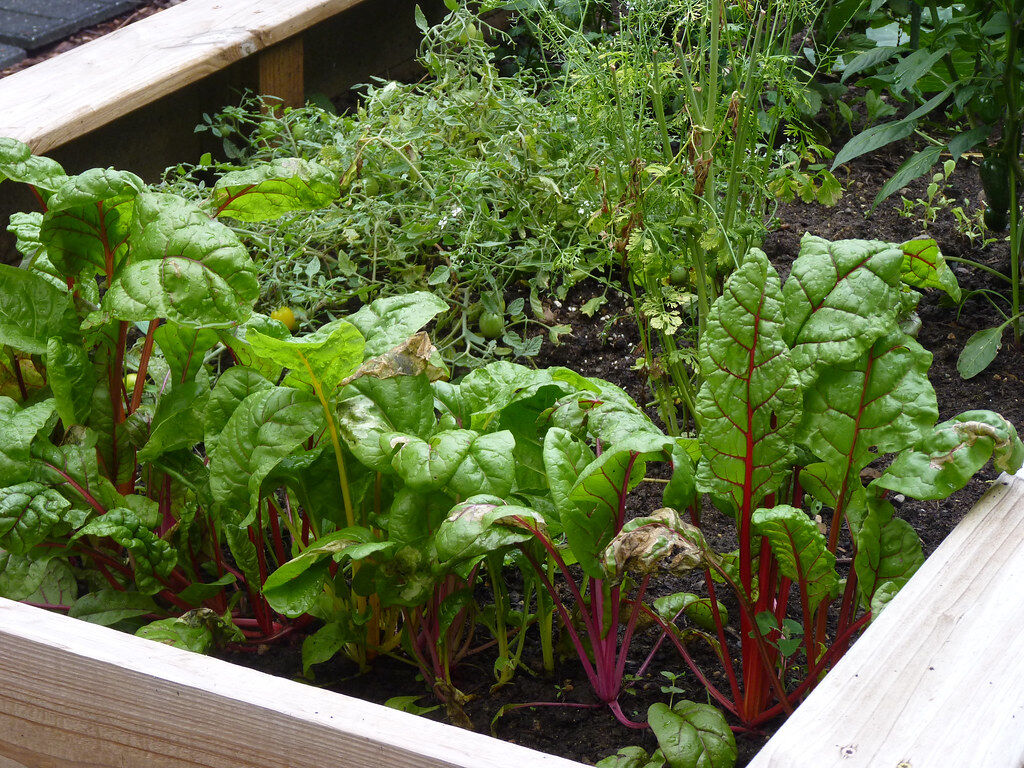
One raised bed is a good start Get your soil tested through your county extension office. It is cheap and tells you what to add. Mix in compost every year.
Easy crops for beginners: bush beans, peas, lettuce and leafy greens, radishes, zucchini and summer squash, tomatoes, potatoes, onions and herbs.
Plant beans after the soil warms in late spring; cold soil makes the seeds rot. Push seeds about 1 inch deep and 4 inches apart.
Bush beans grow about 2 feet tall with no support and ripen all at once; plant a new row every two weeks. Polepoles Dead, straight sticks about as thick as your wrist and 2 to 3 meters long. Dead standing wood is best: dry, and it snaps clean. beans climb 6 feet or more on a trellistrellis A frame of poles, string or wire that climbing plants grow up. and keep producing until frostlast spring frost The average date the last freezing night happens in spring, and the first in fall. Between them, nights usually stay above 32°F..
Water deeply about once or twice a week rather than a sprinkle every day, and spread mulch to hold in water and block weeds.
Pick snap beans before the seeds bulge in the pod. For dry beans to store, leave pods on the plant until they are dry and rattle, then shell and store them in jars.
Tips from survival instructors
- Grow what your family likes to eat, and plant a little extra to share or preserve.
- Save seeds from open-pollinated (heirloom) beans to plant next year; hybrid seeds may not grow true.
Common mistakes
- Starting too big. The fix: one bed or a few pots the first year.
- Planting in shade. The fix: 6 to 8 hours of sun.
- Planting warm crops too early. The fix: wait for warm soil and no more frost.
- Watering a little every day. The fix: deep watering once or twice a week.
Practice it safely
Plant a few bush bean seeds in a big pot or a small bed this spring and keep a notebook of when they sprout, flower and are ready to pick.
Quick check
When do you pick beans you want to dry and store?
- When the pods are dry and the beans rattle
- When the pods first appear
- In spring
Show the answer
When the pods are dry and the beans rattle
Take the quiz and earn the badge
The app checks your answers, keeps your place in the Home Prep: grow and make, and works with no signal once saved.
Before you rely on thisA learning tool, not a replacement for training. In an emergency, call 911.
Sources
Photo credits
Photo: normanack, CC BY 2.0, source