← Outdoor Survivalist Trainer Your area

Food from plants · Food from plants course

Testing and preparing a plant you can eat

The manuals say it plainly: eat only plants you can positively identify. When you cannot, and you must eat, the Universal Edibility TestUniversal Edibility Test The Army’s slow, step-by-step way to test an unknown plant: touch, then lips, then tongue, then a tiny bite, waiting hours between each. is the Army's way to find out with the least risk. It takes a full day per plant part, so start early and test only a plant that grows in quantity.

Why this matters

The survival manual says the critical thing with plant food is to avoid accidental poisoning, and that you should eat only plants you can positively identify. The Universal Edibility Test is for the case where you cannot identify a plant and truly have to eat. It is slow on purpose: each step adds a little more of the plant and waits for your body to complain.

Some plants have both good and poisonous parts, many are only good at certain times of year, and many have poisonous look-alikeslook-alikes A poisonous plant or mushroom that looks like an edible one. The reason you need to be 100 percent sure before eating anything wild.. The same kind of plant can even differ from one place to another; the manual's example is chokecherry leavesdebris Dry leaves, pine needles, grass and ferns. Piled deep they trap still air, which is what keeps you warm., which can be high or low in a cyanidecyanide A fast-acting poison. Some plants, like wild cherry leaves and pits, make a form of it. An almond smell is a warning sign. poison. That is why the test checks one part, one way of cooking, and one person at a time.

What you need

  • A plant that grows in large amounts nearby, so the long test is worth it.
  • Purifiedpurification tablets Making water safe to drink by killing the germs in it: boiling it, or adding tablets, iodine or plain bleach and waiting. water to drink during the test.
  • A watch or a way to count time.
  • A pot and a fire if you plan to cook the plant. The skin and mouth steps need nothing but the plant and time.

More than 24 hours for each plant part, the manual's own figure, so start early and test one part at a time.

Step by step

  1. Rule out the obvious. Skip any plant with milky or discolored sap, beans or seeds in pods, a bitter or soapy taste, spines or fine hairs, carrot- or parsley-like leaves, an almond smell, grain heads with pink, purple or black spurs, or leaves in threes. These rules will make you skip some good plants too, and the manual says that is fine, because they also keep you away from plants that are poisonous to eat or even to touch. 'Leaves in threes' means three leaflets on one stem, like poison ivy. The manual says the almond smell comes from cyanide compounds.
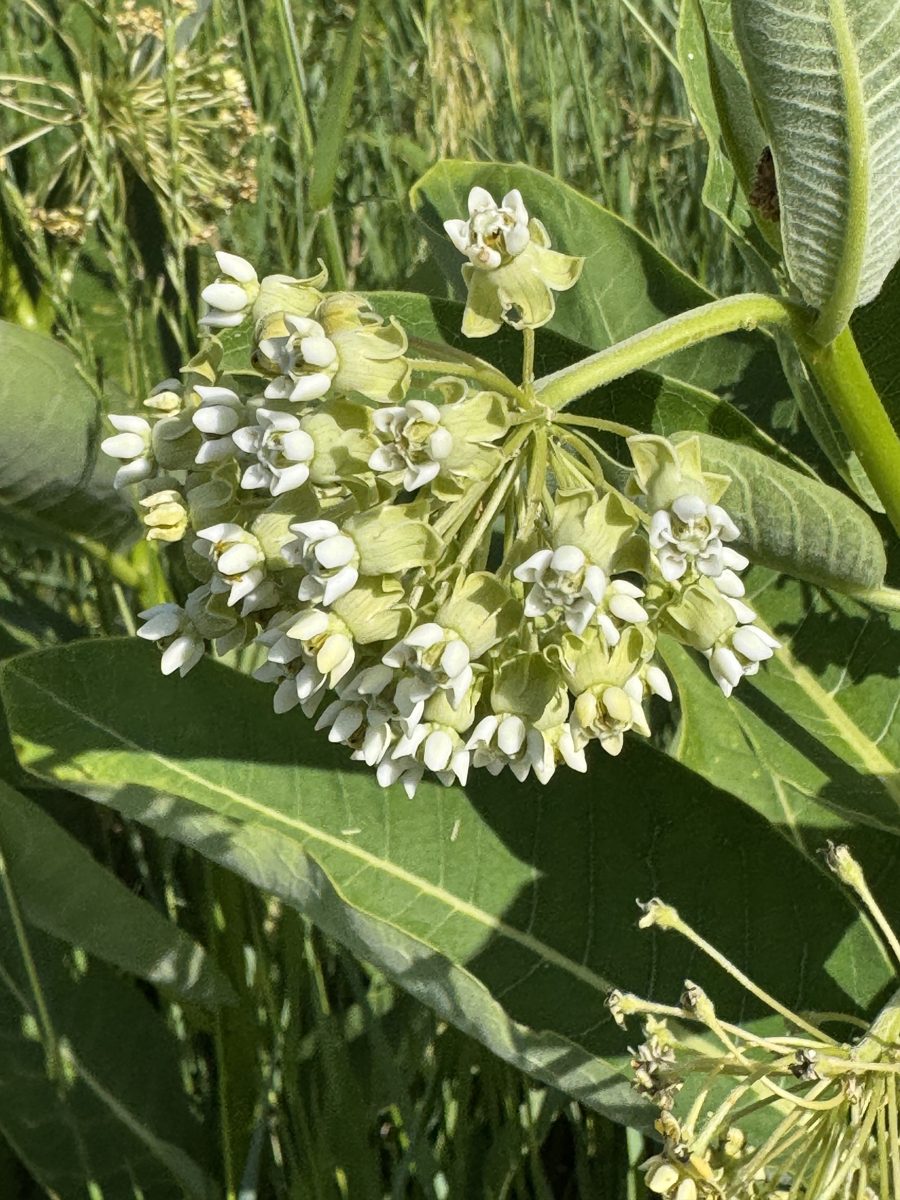
    Common milkweed flowers and leaves
    Milkweed has milky sap, a sign to skip a plant
  2. Test one part at a time: leaves, stem, root, bud or flower. Each part needs its own test. Smell it: a strong or acid smell is a warning, not proof. Leaves, stem, root, bud and flower can be completely different: one part can be fine and another poisonous. Before you start, make sure the plant grows in large amounts nearby.

  3. Eat nothing for 8 hours before the test. During those 8 hours, hold a piece of the plant against the inside of your elbow or wrist for 15 minutes and watch for a rash or burning. Fasting first means that if you react, you know it was the plant and not something else you ate. You did it right when the skin under the piece looks and feels the same as on your other arm.

  4. Prepare a small piece the way you plan to eat it, raw or cooked. During the whole test, take only purified water and the plant part. Cooking changes a plant. The manual says baking, roasting or drying usually breaks down oxalatesoxalates Tiny sharp crystals in some plants that burn the mouth and throat. Baking, roasting or drying usually breaks them down., crystals that burn the mouth, and boiling in changes of water removes bitter tanninstannins Bitter stuff in acorns, oak bark and many plants that makes your mouth pucker. Soaking or boiling in fresh water washes it out.. So a raw test does not clear the cooked plant, and a cooked test does not clear it raw.

  5. Touch a small piece to the outside of your lip. Wait 3 minutes. Any burning or itching ends the test for this part. The lip is sensitive and shows a reaction before anything goes inside you. If it burns or itches, wipe it off and stop testing this part.

  6. No reaction? Put a piece on your tongue for 15 minutes. Still nothing? Chew it well and hold it in your mouth for 15 minutes without swallowing. Any burning, stinging, numbness or itching ends the test. If anything burns, stings or goes numb, spit it out right away. A sharp burning feeling in the mouth and throat is how oxalates show up, which is exactly what these minutes are there to catch.

  7. Swallow. Then wait 8 hours and eat nothing else. If you feel ill, make yourself vomit and drink plenty of water. Some reactions take hours to show, so the wait is long and nothing else goes in your mouth except purified water. Vomiting gets the plant out of your stomach.

  8. No ill effects after 8 hours: eat a quarter cup of the same part, prepared the same way, and wait another 8 hours. If you are still fine, that part, prepared that way, is safe for you. The first steps used a tiny piece; this checks a real portion. 'Safe for you' matters: the manual says some people have more stomach trouble from plants than others, and plants of the same kind can differ. Another part of the plant, or the same part cooked another way, needs its own test.

  9. Prepare what you know. Boilrolling boil Big bubbles breaking the whole surface, not just a few at the edge. One full minute of this kills the germs that make you sick. leaves, stems and buds until tender, changing the water to lose bitterness. Boil, bake or roast roots and tuberstuber A fat underground lump on a root or stem where a plant stores food, like a potato.. Leachleaching Washing a bitter taste or a mild poison out of food by soaking it, or by pouring water through it, again and again. acorns: crush, then pour boiling water through them or soak them in running water until the bitterness is gone. The manual separates edible (it feeds you) from palatable (it tastes good); many wild plants are edible but barely palatable. Leaching means soaking out the bitterness: the recovery manual says try cold water first, though boiling water sometimes works best, then taste and repeat until it is no longer bitter. Some nuts, such as chestnuts, are good raw but better roasted.

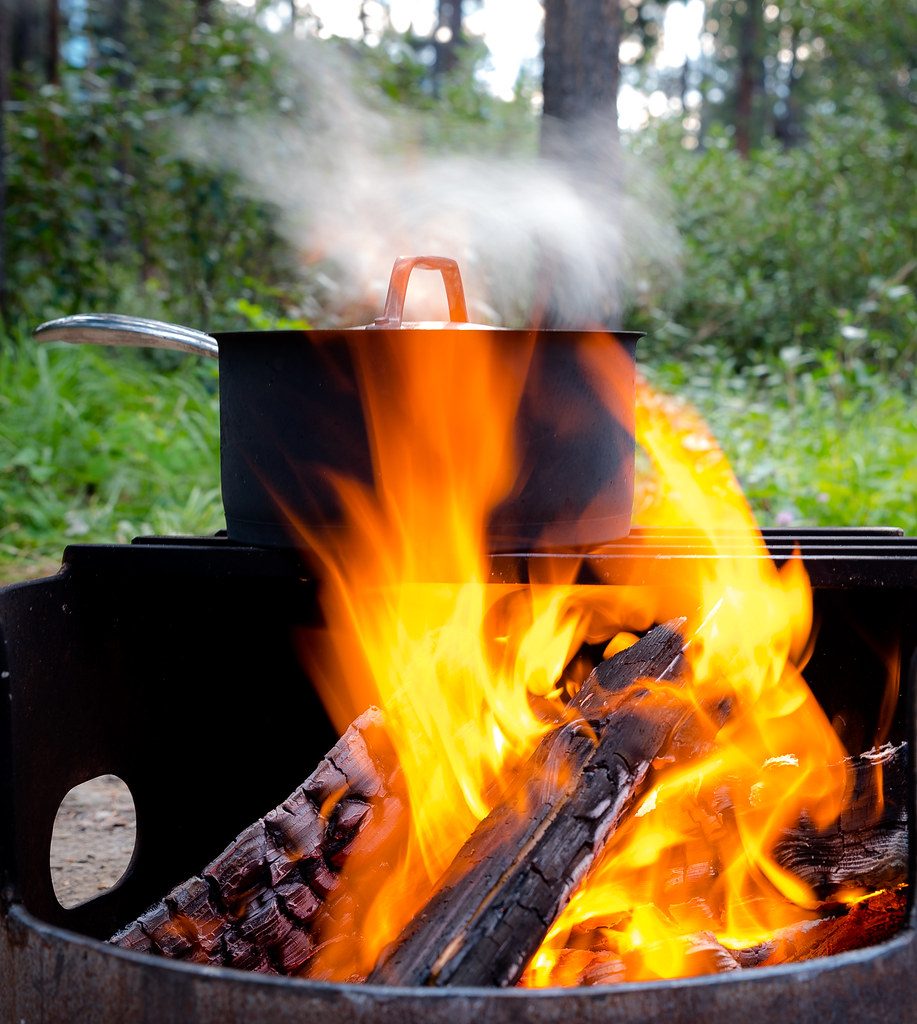
    A pot of water boiling over a campfire
    Boil, and change the water to lose bitterness
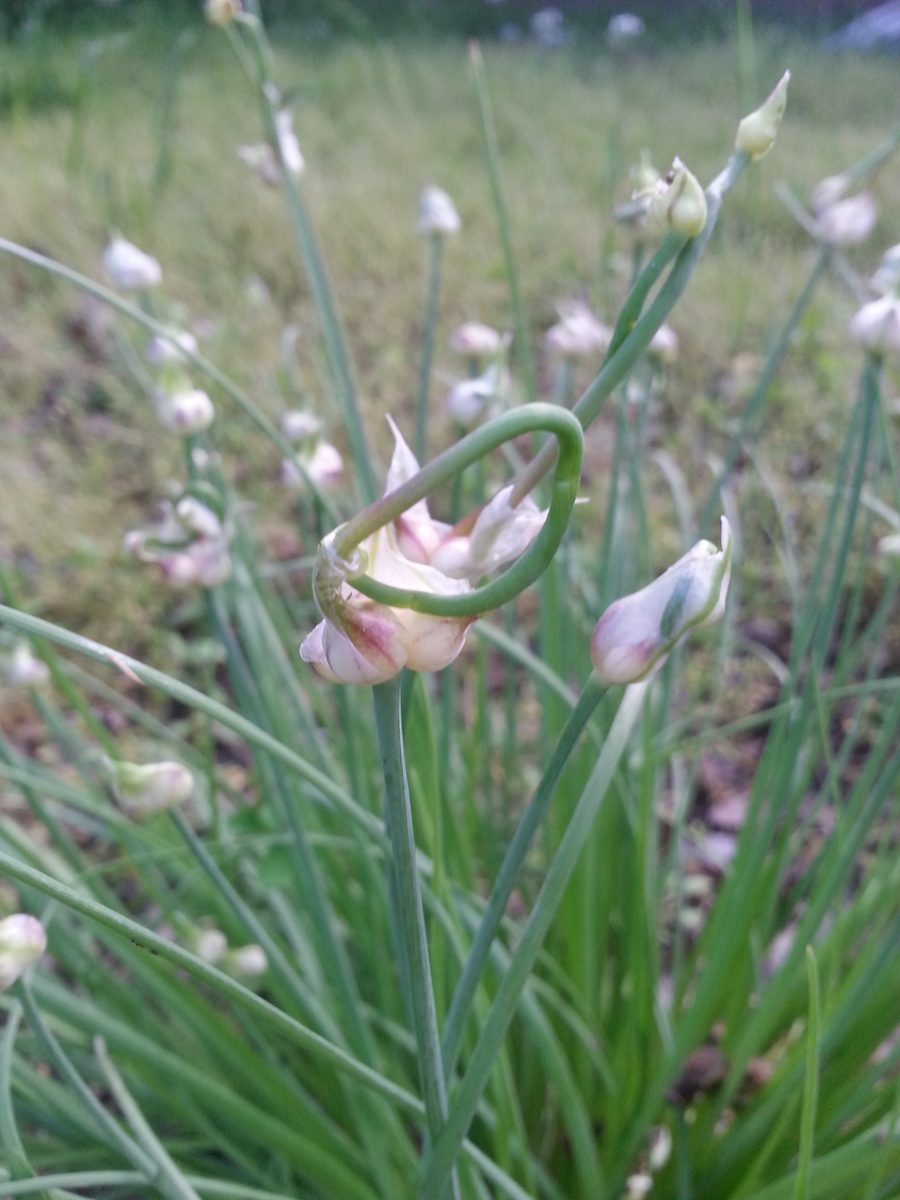
  10. Even a safe plant can hurt on an empty stomach. Green apples and wild onions are the manual's examples. Eat small amounts at first. Even after a plant passes the test, the manual says eat it in moderation. A big helping of any plant on an empty stomach can bring nausea, cramps or diarrhea.

    Wild onion leaves and flowers
    Even wild onions upset an empty stomach

Tips from survival instructors

  • If you are not 100 percent sure what a plant is, do not eat it. Mushrooms are never worth the risk.
  • Learn a few common plants well, like dandelion and cattail, before you need them, and learn their look-alikes too.

Common mistakes

  • Testing a plant that is rare where you are. The manual says do not waste the time; pick one that grows in large amounts.
  • Testing several parts, or several plants, at once. Test one part, and if you react you will know which one did it.
  • Snacking on anything else during the test. Only purified water and the plant part being tested.
  • Testing mushrooms. The test does not apply to them: the manual says never eat mushrooms in a survival situation.
  • Picking plants by roads or buildings, or from dirty water. The manual says they may be sprayed or contaminated; wash plants from near buildings, avoid roadsides, and boil or disinfect plants from water.
  • Eating fruit that is starting to spoil or shows mold. The manual says some molds make dangerous poisons; skip it.

Practice it safely

Practice the knowing, not the eating. In a yard or park, use the eliminator list on the plants you see: milky sap, three leaflets, carrot-like leaves, spines or fine hairs. Learn the manual's leaf and root words (toothed or smooth edges, opposite or alternate leaves, bulb, taproottaproot One thick main root that grows straight down, like a carrot., tuber) on garden plants. Write out the test as a timeline so you can see why it takes more than a day.

Do not rungame trail A narrow path worn through grass or brush by animals using it over and over. A trap goes on a trail an animal already uses. the test for fun: it is for when there is no other choice. If you want to learn wild food plants, learn them in person from an expert, start with the poisonous look-alikes, and pick only where the rules allow.

Quick check

How long does the whole test take for one plant part?

  • About 15 minutes
  • About an hour
  • About a day: 8 hours fasting, the mouth steps, 8 hours waiting, then a quarter cup and 8 more hours
Show the answer

About a day: 8 hours fasting, the mouth steps, 8 hours waiting, then a quarter cup and 8 more hours

Take the quiz and earn the badge

The app checks your answers, keeps your place in the Food from plants, and works with no signal once saved.

Before you rely on thisA learning tool, not a replacement for training. In an emergency, call 911. Do not eat any plant, berry or mushroom here. This app never tells you a wild food is safe.

Sources

Photo credits
Photo: Jason K., CC BY 4.0, sourcePhoto: Kurayba, CC BY-SA 2.0, sourcePhoto: Alison Northup, CC BY 4.0, source

More on food from plants